

Benefits of Soft Scrub for Kitchen Surfaces
Soft Scrub has long been a staple in kitchen maintenance due to its unique formulation that balances abrasive power with surface safety. Unlike harsh scouring powders that can leave permanent scratches on delicate finishes, Soft Scrub utilizes a cream-based suspension that holds mild abrasives in a liquid medium. This allows for the effective removal of burnt-on food, dried liquids, and mineral deposits without compromising the integrity of the material beneath. Many variations of the product also include bleach, which provides a dual-action benefit by lifting stains and disinfecting surfaces simultaneously.
- Effective on porcelain, ceramic, and stainless steel.
- Lifts deep-set food pigments like beet juice or coffee.
- Easy to rinse away compared to thick, gritty pastes.
- Provides a protective barrier that helps repel future soil.
In a high-traffic kitchen environment, the versatility of this cleanser is unmatched. It can transition from deep-cleaning a stained white farmhouse sink to removing grease splatters from a glass stovetop. The cream texture ensures that the product stays where it is applied, preventing messy runoff and allowing for targeted cleaning on vertical surfaces like backsplashes.
Preparing Your Countertops for a Deep Clean
Before applying any liquid cleanser, it is essential to prepare the environment to ensure maximum efficacy and prevent the accidental spread of debris. Start by clearing all small appliances, cutting boards, and decorative items from the countertop surface. This provides an unobstructed workspace and prevents cleaning agents from coming into contact with food-preparation tools. Once the area is clear, use a dry microfiber cloth or a soft brush to sweep away loose crumbs, dust, and dried food particles. Skipping this step can lead to a gritty slurry that makes the deep cleaning process more difficult.
- Clear the workspace of all clutter and appliances.
- Wipe down the surface with a damp cloth to remove loose debris.
- Identify specific areas with heavy staining or grease buildup.
- Ensure the kitchen is well-ventilated if using bleach-based formulas.
Pre-treating the area with a light mist of warm water can also help soften hardened spills, making the Soft Scrub application even more effective. By taking these preliminary steps, you protect your surfaces from being scratched by loose grit and ensure that the cleanser can make direct contact with the actual stains and bacteria living on the surface.
Step by Step Guide to Applying Soft Scrub
To achieve the best results with Soft Scrub, a systematic approach is required to ensure even coverage and proper dwell time. The cream should be applied directly to the surface or onto a damp sponge, depending on the severity of the grime. For general cleaning, a small amount goes a long way, and it is important to work in manageable sections to prevent the product from drying out before it can be properly agitated and rinsed.
- Shake the bottle thoroughly to ensure the abrasives are well-mixed.
- Apply a thin layer of the cream over the target area.
- Allow the product to sit for approximately one to three minutes for tough stains.
- Gently rub the surface in a circular motion using a non-abrasive sponge.
- Rinse the area completely with a clean, wet cloth to remove all residue.
Consistency is key during the scrubbing phase. Instead of applying heavy pressure, let the chemical properties of the cleanser do the work. If you are dealing with a particularly stubborn stain, a second application with a slightly longer dwell time is often more effective than aggressive scrubbing, which could potentially dull the finish of your kitchen surfaces over time.
Achieving a Streak Free Shine on Stainless Steel
Stainless steel is a popular choice for modern kitchens, but it is notorious for showing fingerprints, water spots, and streaks. Soft Scrub can be used effectively on stainless steel sinks and appliances if applied correctly. The key to a professional finish is understanding the grain of the metal. Like wood, stainless steel has a directional "grain" created during the manufacturing process. Rubbing against this grain can trap cleaner residue and lead to a cloudy appearance, whereas following the grain ensures a deep clean and a bright shine.
- Always identify the direction of the metal grain before starting.
- Use the "Liquid Cleanser with Bleach" variant for sinks to remove odors.
- Rinse with lukewarm water to prevent spotting.
- Dry the surface immediately with a clean microfiber towel.
After rinsing, if any haziness remains, it is likely due to leftover product. A final wipe with a damp cloth followed by a buffing with a dry, lint-free cloth will eliminate any remaining streaks. This process not only cleans the metal but also helps to restore the original luster of the appliance, making it look brand new.
Best Tools for Scrubbing Without Scratching
Choosing the right applicator is just as important as the cleaning solution itself. Using an overly abrasive tool can cause micro-scratches that trap dirt and make the kitchen harder to clean in the future. For most kitchen surfaces, a balance between soft and firm is ideal. The following table outlines the best tools to use with Soft Scrub to maintain the integrity of your kitchen installations.
| Tool Type | Recommended Use | Benefit |
|---|---|---|
| Microfiber Cloth | Polishing and light cleaning | Non-abrasive, highly absorbent |
| Non-Scratch Nylon Sponge | General countertop scrubbing | Safe for most laminates and tiles |
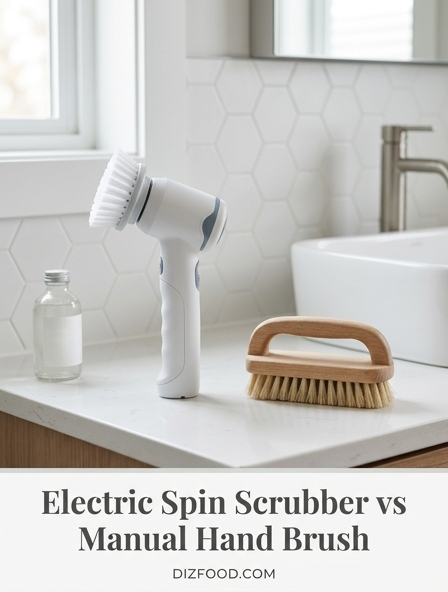
| Soft Bristle Toothbrush | Cleaning around faucets and seams | Reaches tight crevices easily |
| Silicone Scrubber | Removing stuck-on food | Sanitary and gentle on glass |
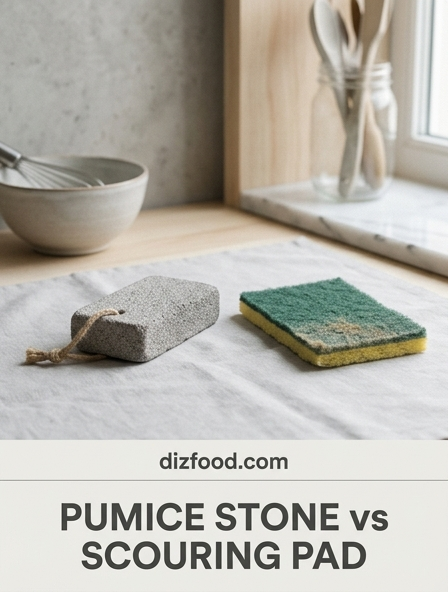
Avoid using steel wool, metal scouring pads, or high-grit sandpaper-style sponges. These tools are far too aggressive for modern kitchen finishes like quartz, laminate, or polished chrome. By pairing Soft Scrub with a gentle applicator, you ensure that you are only removing the dirt and not the protective topcoat of your surfaces.
Removing Stubborn Grease and Food Stains
The kitchen is prone to organic stains from items like turmeric, wine, and tomato sauce, as well as polymerized grease from cooking oils. Soft Scrub is particularly effective against these because its cream base emulsifies grease, breaking the bond between the oil and the surface. When dealing with food pigments, the bleach-infused versions of the cleanser work to chemically break down the chromophores of the stain, lifting the color without the need for excessive physical force.
- For grease: Apply the cleanser and let it sit to penetrate the oil layer.
- For pigment stains: Ensure the area stays moist with the product for several minutes.
- Use a firm but non-scratch sponge to agitate the area.
- Repeat the process for multi-layered or "baked-on" stains.
It is important to remember that grease can sometimes spread if too much water is used initially. Applying the cream to a relatively dry surface allows it to cling to the grease more effectively. Once the grease has been lifted, the area can be rinsed clean, leaving behind a surface that is both visually clean and free of the sticky residue that often attracts more dust.
Maintaining High Gloss Finishes with Liquid Cleansers
High gloss cabinetry and countertops require a specialized touch to prevent them from becoming dull or hazy over time. The reflective nature of these surfaces means that every small scratch is visible. Soft Scrub's liquid nature is beneficial here because it provides lubrication during the cleaning process, allowing the abrasive particles to glide across the surface while still picking up contaminants. To maintain a high gloss, the application must be very light, and the rinsing process must be extremely thorough.
- Dilute the Soft Scrub slightly with water for very sensitive gloss finishes.
- Apply using a soft microfiber pad rather than a sponge.
- Work in small, circular motions with zero downward pressure.
- Rinse twice to ensure no "film" is left behind.
- Buff to a high shine using a completely dry, plush cloth.
Consistency in your cleaning technique will prevent the "swirl marks" often seen on poorly maintained gloss surfaces. By using a liquid cleanser rather than a powder, you minimize the risk of large abrasive grains creating deep gouges in the acrylic or lacquer finish, ensuring the kitchen remains bright and reflective.
Safety Tips for Using Soft Scrub on Stone
Natural stone surfaces like granite, marble, and limestone are porous and can be sensitive to certain chemicals. While Soft Scrub is gentle, the version containing bleach can potentially damage the sealant on natural stone if left for too long or used too frequently. It is vital to understand the specific needs of your stone type before beginning a deep clean. Always check if your stone has been recently sealed, as a fresh seal provides a protective layer that makes cleaning much safer and more effective.
- Perform a spot test on an inconspicuous area first.
- Avoid using bleach-based formulas on dark or unsealed stone.
- Do not allow the cleanser to dry completely on the stone surface.
- Rinse thoroughly with pH-neutral water to neutralize any residue.
For those with engineered stone like quartz, Soft Scrub is often recommended by manufacturers for removing tough marks. However, for natural marble, which is calcium-based, the mild abrasives should be used sparingly to avoid etching. Always prioritize the longevity of the stone by following the manufacturer's guidelines and using the mildest version of the cleanser suitable for the job.
Daily Maintenance Routine for a Polished Kitchen
A polished kitchen is the result of consistent, small efforts rather than occasional heavy scrubbing. Incorporating Soft Scrub into a daily or bi-weekly routine can prevent the buildup of limescale and hard water spots, particularly around the sink and faucet areas. By addressing spills as they happen and performing a quick wipe-down at the end of each day, you reduce the need for aggressive deep cleaning sessions that can wear down surfaces over time.
- Wipe down the sink basin after the final dish load of the night.
- Clean the stove area immediately after it has cooled down.
- Address any "rings" left by cups or oil bottles on the counters.
- Dry the faucet handles to prevent mineral buildup.
This proactive approach keeps the kitchen looking professional and hygienic. A quick two-minute application around the drain and the base of the faucet with a small amount of Soft Scrub will keep the stainless steel or porcelain gleaming. When maintenance is done daily, the "scrubbing" part of the job becomes almost effortless, as the dirt never has a chance to bond permanently to the kitchen surfaces.
Final Polishing Techniques for Long Lasting Results
The final step in any cleaning process is the polish. Even after a surface is clean, it can look dull if water minerals or cleanser residues are left behind. To achieve a professional, long-lasting result, you must focus on the drying and buffing phase. This step removes the microscopic layers of moisture that, when evaporated, leave behind the spots and streaks that ruin a clean aesthetic. Using the right technique here will make your surfaces stay clean longer by creating a smooth finish that is harder for dust to cling to.
- Use a dedicated "glass-knit" microfiber for the final buff.
- Apply a circular buffing motion to bring out the natural shine.
- Check the surface from an angle against the light to spot missed areas.
- Ensure all corners and edges are completely dry to prevent mold.
For an extra level of protection, some homeowners follow a Soft Scrub cleaning with a food-safe surface protectant or a specialized stone polish. However, the clean, smooth surface provided by the liquid cleanser is often enough to maintain a beautiful glow. By mastering these final touches, you ensure that your hard work results in a kitchen that doesn't just look clean, but truly sparkles.



Comments