
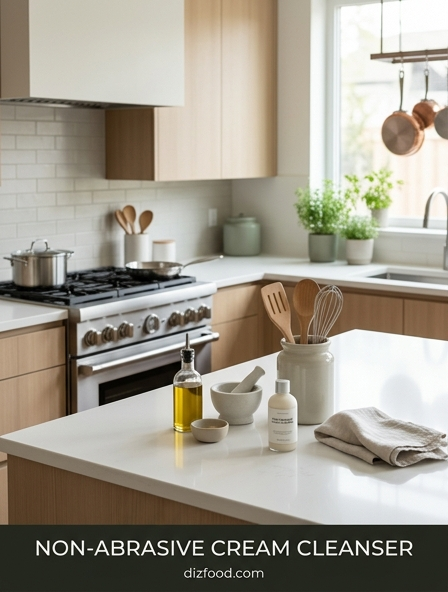
The Vulnerability of Glass Ceramic Surfaces
Modern kitchen aesthetics are often defined by the sleek, seamless appearance of glass-ceramic cooktops. While these surfaces are engineered to withstand extreme thermal shock and rapid temperature fluctuations, they possess a specific physical vulnerability to mechanical abrasion. Unlike traditional metal grates or cast-iron burners, glass-ceramic is a polycrystalline material that maintains a delicate balance between hardness and brittleness. At a microscopic level, the surface is susceptible to "chatter" marks and localized fracturing when subjected to improper cleaning tools.
The integrity of the surface is paramount not just for visual appeal but for functional longevity. Even minor structural compromises can lead to significant issues over time. Common factors that threaten these surfaces include:
- Abrasive scrubbing pads that create microscopic valleys in the glass.
- Dragging heavy cast-iron cookware across the surface, leading to deep gouges.
- Salt crystals or sugar granules trapped under a pot, acting as sandpaper.
- Harsh chemical reactions that etch the top layer of the ceramic.
Understanding these vulnerabilities is the first step in adopting a preservation-focused maintenance routine that avoids permanent surface degradation.
Hidden Dangers of Traditional Scouring Powders
Traditional scouring powders have long been the staple for heavy-duty kitchen cleaning, yet they pose a significant threat to contemporary glass cooktops. These powders typically rely on hard minerals like silica or calcium carbonate, which are significantly harder on the Mohs scale than the specialized glass-ceramic used in induction or electric ranges. When these dry particles are rubbed against the surface, they act as miniature cutting tools, stripping away the factory-applied protective glaze.
The damage caused by these powders is often cumulative and invisible to the naked eye until the surface begins to appear dull or hazy. To illustrate the difference between cleaning agents, consider the following comparison:
| Feature | Scouring Powder | Non-Abrasive Cream |
|---|---|---|
| Abrasive Particle Size | Large and irregular | Microscopic and rounded |
| Action on Glass | Cutting and etching | Polishing and lifting |
| Residue Level | High (gritty) | Low (wipes clean) |
| Safety Profile | Risky for ceramic | Designed for ceramic |
Using these powders creates a cycle of damage where the resulting scratches trap more grease, requiring even harsher cleaning in the future.
How Micro-Scratches Compromise Cooktop Integrity
Micro-scratches might seem like minor cosmetic inconveniences, but they represent a fundamental compromise to the structural integrity of a glass-ceramic cooktop. When the surface is smooth, heat is distributed evenly, and the material expands and contracts uniformly. However, a micro-scratch acts as a stress concentration point. Under the intense thermal stress of high-heat cooking, these tiny fissures can expand, eventually leading to visible "crazing" or even full structural failure of the glass panel.
The progression of damage typically follows a predictable sequence that shortens the lifespan of the appliance:
- Initial abrasion removes the protective top coating of the ceramic.
- Microscopic grooves provide a foothold for carbonized food and minerals.
- Trapped debris expands at a different rate than the glass when heated.
- Thermal stress causes the micro-scratches to deepen and migrate.
- The surface loses its ability to resist impacts, increasing the risk of cracking.
By preventing the formation of these initial micro-scratches through the use of non-abrasive cream cleansers, homeowners can ensure the cooktop remains safe and functional for decades.
The Science Behind Non-Abrasive Cream Formulations
Non-abrasive cream cleansers are sophisticated chemical emulsions designed to provide mechanical cleaning action without physical damage. The primary cleaning agents in these formulations are usually soft minerals like feldspar or specialized polymers that have a lower hardness rating than the glass-ceramic itself. These particles are suspended in a thick liquid medium, which acts as a lubricant, ensuring that the friction generated during cleaning is distributed evenly across the surface rather than concentrated on individual points.
The effectiveness of these creams is rooted in their multi-phase approach to soil removal. Key components often include:
- Chelating agents that bond with mineral deposits to make them water-soluble.
- Emulsifiers that break down complex fats and oils into smaller droplets.
- Polishing agents that fill in existing microscopic imperfections to restore light refraction.
- Surfactants that reduce the surface tension of water, allowing the cleanser to penetrate under burnt-on food.
This scientific balance allows the cream to lift stubborn residues through chemical affinity and gentle mechanical agitation, preserving the cooktop's pristine condition.
Preserving the High-Gloss Finish of Premium Glass
The high-gloss finish of a premium glass cooktop is its most striking feature, providing a mirror-like reflection that enhances the modern kitchen's brightness. This finish is achieved through a precise manufacturing process that seals the ceramic pores. Maintaining this shine requires more than just removing dirt; it requires the application of a protective barrier. Non-abrasive cream cleansers often contain silicone or specialized waxes that leave behind a microscopic, heat-resistant film after buffing.
This thin protective layer serves several critical functions in preserving the aesthetic value of the appliance:
- It fills in minor surface irregularities, restoring the uniform reflection of light.
- It creates a hydrophobic surface that repels water and prevents liquid stains.
- It provides a sacrificial layer that takes the brunt of minor friction from pans.
- It prevents food from bonding directly to the glass-ceramic during the next cooking session.
Regular use of a dedicated cream cleanser ensures that the "showroom shine" persists, preventing the dull, matte appearance that characterizes neglected or improperly cleaned surfaces.
Removing Burnt-On Residue Without Surface Damage
One of the greatest challenges in kitchen maintenance is the removal of carbonized food-residue that has been literally baked onto the surface at high temperatures. Sugary spills are particularly dangerous, as they can "pit" the glass if they undergo a process called glass-transition during cooling. The temptation to use a metal scraper or a harsh abrasive pad is high, but these methods often lead to permanent scarring. Non-abrasive creams provide a safer alternative by utilizing "dwell time" to chemically soften the bond between the residue and the glass.
The most effective method for tackling these stubborn spots involves a strategic approach:
- Allow the cooktop to cool completely to prevent the cream from evaporating too quickly.
- Apply a generous amount of the non-abrasive cream directly to the burnt-on area.
- Wait five to ten minutes to allow the surfactants and enzymes to penetrate the carbonized layer.
- Use a damp microfiber cloth or a specialized non-scratch sponge to gently agitate the area.
- For extreme cases, repeat the process rather than increasing physical pressure.
This patient approach ensures the residue is lifted without compromising the underlying material.
Chemical Sensitivity of Modern Induction Cooktops
Induction cooktops are marvels of engineering, utilizing electromagnetic fields to heat cookware directly. While the glass surface itself does not get as hot as a traditional electric coil, the electronic sensors and copper coils beneath the glass are sensitive to chemical infiltration. Using harsh household cleaners containing ammonia, bleach, or caustic soda can be detrimental. These chemicals can seep through the perimeter seals or micro-cracks, potentially corroding the internal circuitry or damaging the touch-sensitive control interfaces.
Choosing the right chemical profile is essential for the safety of the appliance electronics. The following table highlights the risks associated with various common cleaning agents:
| Chemical Agent | Potential Risk | Recommended Alternative |
|---|---|---|
| Ammonia | Permanent streaking and seal damage | Mild surfactants |
| Chlorine Bleach | Oxidation of internal components | Citric acid-based cleansers |
| Caustic Soda | Etching of the ceramic surface | pH-balanced cream cleansers |
| Vinegar (High Conc.) | Possible degradation of silicone seals | Specialized cooktop creams |
Non-abrasive cream cleansers are formulated to be pH-neutral or slightly acidic, making them safe for both the glass and the sensitive components hidden beneath.
The Role of Specialized Surfactants in Kitchen Care
Surfactants, or surface-active agents, are the unsung heroes of the non-abrasive cream cleanser. Their primary role is to reduce the surface tension of the cleaning solution, allowing it to spread evenly and penetrate the tight spaces between the glass and a grease spill. In a kitchen environment, grease is rarely pure; it is usually a complex mixture of lipids, proteins, and minerals. Specialized surfactants in cream cleansers are designed to be "amphiphilic," meaning they have both a water-loving head and an oil-loving tail.
These molecules work through several mechanisms to ensure a clean surface:
- Emulsification: They wrap around oil droplets, suspending them in the cream so they can be wiped away.
- Wetting: They allow the cleanser to flow into the microscopic texture of the burnt-on food.
- Dispersion: They prevent loosened soil particles from re-depositing onto the glass during the cleaning process.
- Solubilization: They help dissolve tough protein chains found in milk or meat splatters.
By relying on these chemical actions, the need for aggressive physical scrubbing is eliminated, protecting the cooktop from mechanical wear.
Preventing Permanent Clouding and Heat Stains
Permanent clouding, often appearing as a milky or iridescent "rainbow" film on the glass, is frequently the result of mineral deposits from hard water or chemical reactions with improper cleaners. When these minerals are subjected to the high heat of the cooktop, they undergo a calcification process that bonds them to the ceramic. Once this bond is fully established, it can be nearly impossible to remove without specialized chemical intervention. Non-abrasive creams are specifically designed to address these mineral "heat stains" before they become permanent.
To prevent the onset of clouding, a consistent preventative strategy is required:
- Always use distilled or filtered water when wiping the cooktop to avoid mineral buildup.
- Wipe up spills immediately (after the surface has cooled) to prevent heat-setting.
- Use a cream cleanser weekly to remove the "ghosting" left behind by pan bottoms.
- Ensure the bottom of all cookware is clean and dry before placing it on the heat source.
- Buff the surface thoroughly after cleaning to remove any residual surfactant film.
Consistent maintenance prevents the chemical "shadows" that eventually lead to a permanently aged and clouded appearance.
Best Practices for Daily Glass Cooktop Maintenance
The longevity and beauty of a glass-ceramic cooktop are best maintained through a routine of "gentle and frequent" care rather than "aggressive and occasional" cleaning. Developing a daily habit of removing surface debris prevents the accumulation of material that would otherwise require heavy scrubbing. The goal of daily maintenance is to ensure that no foreign matter is present between the glass and the cookware, as this interface is where most damage occurs during the cooking process.
For optimal results, follow these best practices for daily care:
- Wait until the "hot surface" indicator light has turned off before applying any cleaners.
- Use a dry microfiber cloth to remove loose crumbs or salt crystals before wet cleaning.
- Apply a small, dime-sized amount of non-abrasive cream for daily touch-ups.
- Buff in a circular motion to ensure even distribution of the protective conditioning agents.
- Always use a clean section of the cloth for the final buffing stage to ensure no residue remains.
- Inspect the bottoms of your pots and pans regularly for burrs or stuck-on debris.
By following these steps, you maintain a barrier against stains and scratches, ensuring the kitchen remains a clean and professional-looking environment.




Comments