
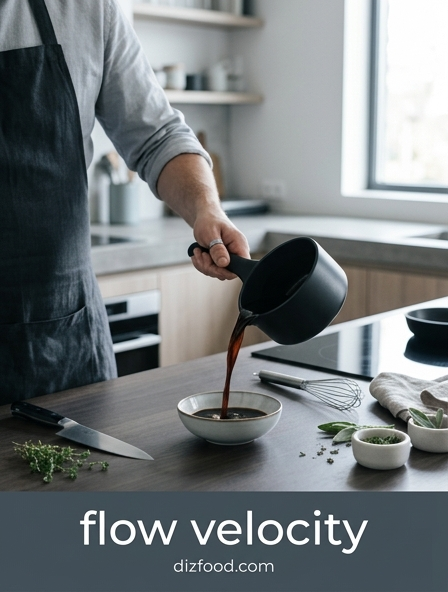
Fluid Dynamics in Commercial Brewing
In the context of a commercial brewing kitchen, fluid dynamics governs the efficient movement of wort, water, and finished product through complex piping networks. Understanding flow velocity is essential for maintaining production schedules and ensuring the physical integrity of the liquid. The movement of fluids is primarily influenced by gravity, pressure differentials, and the mechanical force provided by pumps. When liquid moves through the system, it must maintain a velocity that balances throughput with the physical limitations of the ingredients.
Brewers must consider the Reynolds number to determine whether the flow is laminar or turbulent within the heat exchangers and fermentation vessels. High-velocity transfer is often necessary during the whirlpooling phase to separate solids from the liquid, yet excessive speed can lead to unwanted shear stress. Proper fluid management involves calculating the volumetric flow rate relative to the cross-sectional area of the delivery lines. This ensures that the delicate balance of hop oils and proteins remains intact while the liquid transitions between different stages of the brewing cycle.
Optimizing Pipe Diameter Selection
Selecting the correct pipe diameter is a critical decision that directly dictates the flow velocity and pressure drop within a kitchen's liquid distribution system. If a pipe is too narrow, the velocity increases significantly, leading to high friction losses and potential damage to sensitive ingredients. Conversely, oversized piping can lead to sluggish flow, which may cause solids to settle and create hygiene risks or blockages. The following table illustrates the relationship between common pipe sizes and recommended flow ranges for standard brewing liquids:
| Pipe Diameter (Inches) | Optimal Velocity (ft/s) | Max Flow Rate (GPM) |
|---|---|---|
| 1.0 | 3.0 - 5.0 | 8.0 - 12.0 |
| 1.5 | 3.0 - 6.0 | 18.0 - 35.0 |
| 2.0 | 4.0 - 7.0 | 40.0 - 70.0 |
By aligning the pipe diameter with the pump's output capacity, engineers can ensure a steady state of flow that minimizes energy consumption. A well-designed system utilizes standardized sanitary tubing sizes to facilitate easy cleaning while maintaining the required velocity for effective "Clean-in-Place" (CIP) cycles.
Pump Calibration and Flow Control
Accurate pump calibration is the cornerstone of flow control in a professional kitchen environment. Without precise adjustment, the flow velocity can fluctuate, causing inconsistencies in temperature control and ingredient mixing. Most modern facilities utilize centrifugal or positive displacement pumps, each requiring specific calibration protocols to match the system's resistance. Operators must regularly verify that the flow rate displayed on digital controllers matches the actual volume delivered to the vessels.
To achieve consistent flow control, kitchen technicians should follow these essential steps:
- Establish a baseline flow rate using water at room temperature to identify pump efficiency.
- Adjust Variable Frequency Drives (VFDs) to match the pump's motor speed with the desired volumetric output.
- Inspect and clean impellers and seals to prevent velocity drops caused by mechanical wear.
- Synchronize flow meters with the central automation system to allow for real-time adjustments.
Effective calibration not only protects the pump from cavitation but also ensures that delicate transfers, such as yeast pitching or final packaging, occur at the exact velocity required for product stability.
Managing Viscosity in Ingredient Transfer
Viscosity plays a major role in how flow velocity behaves within a kitchen's plumbing. High-viscosity fluids, such as thick syrups, molasses, or concentrated worts, move much slower than water under the same pressure. As viscosity increases, the internal friction of the fluid creates a "drag" effect against the pipe walls, requiring higher pump pressure to maintain a functional velocity. If the velocity is not managed correctly, these thick ingredients can cause significant "slugging" or create pockets of stagnant material.
When transferring highly viscous materials, it is often necessary to reduce the flow velocity intentionally to prevent "line hammering" or pump failure. The velocity must be high enough to keep the material in motion but low enough to prevent excessive heat buildup from friction. Kitchen operators often utilize jackets or heat-traced lines to lower the viscosity of these ingredients temporarily, thereby increasing the flow velocity without needing to increase the mechanical force. Understanding the non-Newtonian behavior of certain food products is vital for preventing blockages during high-speed production runs.
Temperature Impact on Velocity Rates
Temperature is a primary variable affecting the flow velocity of liquids in a kitchen system. As liquids are heated, their kinetic energy increases and their viscosity typically decreases, allowing for faster flow through the same diameter piping. In a brewery, the difference in velocity between boiling wort and chilled beer can be substantial. For instance, hot wort moves more freely through plate heat exchangers, but as it cools, the flow resistance increases, potentially slowing the transfer rate if the pump speed remains constant.
Thermal expansion also impacts the volume of the liquid, which in turn alters the velocity. When a liquid expands, the volumetric flow rate increases, requiring the system to handle a higher velocity to move the same mass of product. This is particularly important during the cooling phase, where precise velocity is needed to ensure efficient heat transfer. If the velocity is too high during cooling, the liquid may not spend enough time in contact with the cooling surfaces, resulting in an improperly chilled product that could jeopardize the fermentation process or safety standards.
Minimizing Friction and System Resistance
Friction is the enemy of efficient flow velocity in any industrial kitchen. As liquid travels through pipes, valves, and bends, it loses energy due to the interaction between the fluid and the interior surfaces. This energy loss, known as head loss, results in a decrease in velocity. To maintain a consistent flow, system designers must minimize the number of 90-degree elbows and restrictive valves, which create turbulence and increase resistance. Smooth, polished stainless steel surfaces are preferred because they offer the lowest friction coefficient.
To reduce system resistance, consider the following design improvements:
- Replace standard elbows with long-radius sweeps to allow for a more gradual change in direction.
- Use full-port ball valves or butterfly valves that do not obstruct the flow path when fully open.
- Ensure all joints and gaskets are flush with the internal pipe wall to prevent "tripping" the flow.
- Regularly descale pipes to remove mineral deposits that increase surface roughness.
By reducing these points of resistance, the system can achieve the desired flow velocity with lower pump power, resulting in less mechanical stress and reduced operational costs.
Maintaining Laminar Flow for Quality
Laminar flow is characterized by smooth, parallel layers of fluid moving with minimal disruption. In the kitchen and brewery, maintaining laminar flow is crucial for preserving the quality of sensitive liquids. When flow velocity becomes too high, it transitions into turbulent flow, which can cause erratic movement and internal mixing. While turbulence is beneficial for cleaning (CIP), it can be detrimental during the transfer of finished beverages or delicate emulsions, as it may cause foaming or the breakdown of molecular structures.
Achieving laminar flow requires careful control of the velocity relative to the fluid's viscosity and the pipe's diameter. By keeping the velocity within a specific range, operators can prevent the "shearing" of proteins and hop compounds. This is especially important during the filtration process, where turbulent flow can disturb the filter bed and lead to cloudy product. Ensuring that the liquid moves in a predictable, streamlined fashion preserves the intended texture and clarity of the product, which is a hallmark of high-quality commercial production.
Preventing Oxidation and Aeration Issues
Excessive flow velocity is a leading cause of accidental oxidation and aeration in liquid food production. When liquids move at high speeds, especially when entering a tank or passing through a faulty seal, they can create a venturi effect that draws in external air. In brewing, oxygen is the enemy of shelf stability; even minor aeration during the transfer of finished beer can lead to stale flavors and shortened shelf life. High velocity at the discharge point often results in splashing, which significantly increases the surface area of the liquid exposed to the atmosphere.
To prevent these issues, it is essential to manage "terminal velocity" at the point of entry into a vessel. Implementing "bottom-filling" techniques and using spray balls designed for low-velocity distribution can mitigate air entrainment. Furthermore, maintaining a steady, moderate velocity ensures that the pressure within the lines remains positive, preventing air from being sucked into the system through microscopic gaps in fittings or pump seals. Protecting the product from oxygen through velocity control is a fundamental requirement for maintaining flavor integrity.
Energy Efficiency in Transfer Pumps
The energy consumed by transfer pumps is directly proportional to the flow velocity and the resistance it must overcome. Operating a pump at maximum velocity is rarely the most efficient choice, as the power requirement increases cubically with the flow rate. By optimizing the velocity to the "sweet spot" of the pump's efficiency curve, kitchen facilities can significantly reduce their electricity consumption. This is often achieved through the use of Variable Frequency Drives (VFDs), which allow the motor to slow down during non-peak times or for smaller batches.
Efficient energy management involves analyzing the total dynamic head (TDH) of the system and selecting a pump that can maintain the required velocity without overworking the motor. In many cases, a slightly larger pipe diameter paired with a lower-velocity pump will move the same volume of liquid with a fraction of the energy. Monitoring the amperage draw of pumps during different flow cycles helps identify inefficiencies, such as clogged filters or failing bearings, allowing for proactive maintenance that sustains both velocity and energy goals.
Real Time Velocity Monitoring Tools
Modern kitchen environments rely on sophisticated sensors to monitor flow velocity in real time, providing immediate feedback to automation systems. These tools allow operators to detect deviations instantly, ensuring that a batch is not compromised by a sudden drop or surge in speed. The integration of these sensors into a centralized dashboard enables a data-driven approach to production, where every gallon of liquid moved is accounted for and analyzed for consistency.
Several types of monitoring tools are commonly used in the industry:
- Electromagnetic Flow Meters: Ideal for conductive liquids like wort and milk, offering high accuracy with no moving parts.
- Ultrasonic Flow Meters: Clamped onto the outside of pipes, these allow for non-invasive velocity measurement.
- Turbine Meters: Use a mechanical rotor to determine velocity, suitable for clean, low-viscosity liquids.
- Differential Pressure Sensors: Calculate flow by measuring the pressure drop across a calibrated orifice.
Utilizing these tools ensures that the kitchen operates at peak performance, providing the visibility needed to troubleshoot flow issues before they lead to significant downtime or product loss.



Comments