
The Essence of the Chasen
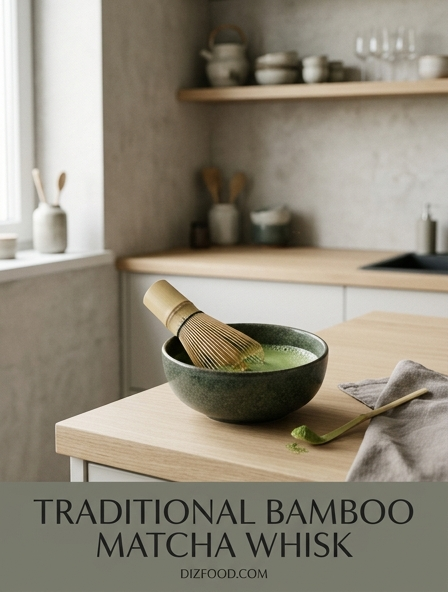
The Chasen, or traditional bamboo matcha whisk, is the heart of the Japanese tea ceremony. Crafted from a single piece of bamboo, it represents a centuries-old tradition of precision and artistry. Its purpose goes far beyond mere mixing; it is designed to aerate the matcha powder and water, creating a delicate, creamy foam that enhances the tea's natural flavors. The intricate tines, which can range from a few dozen to over one hundred, are hand-carved by skilled artisans, often from regions like Takayama in Nara Prefecture. This tool is a testament to the philosophy of functional beauty, where every curve and split serves a specific culinary function.
- Material: Sustainable natural bamboo.
- Craftsmanship: Hand-split and curled tines.
- Purpose: Oxygenating tea and breaking down clumps.
- Cultural Value: Symbol of mindfulness and hospitality.
To use a Chasen is to engage with history. It requires a gentle touch and a disciplined wrist, transforming a simple kitchen task into a meditative practice. The flexibility of the bamboo allows for a rapid motion that would be impossible with rigid metal tools, ensuring the delicate tea leaves are treated with the respect they deserve while achieving a professional-grade froth.
Choosing Your Bamboo Whisk
Selecting the right Chasen depends largely on the type of matcha you intend to prepare. Bamboo whisks vary based on the number of tines and the type of bamboo used, such as white bamboo, soot bamboo, or purple bamboo. For beginners, a whisk with more tines is generally recommended because it makes it significantly easier to create a thick, consistent froth. Conversely, whisks with fewer, thicker tines are often used for Koicha (thick tea), where the goal is a smooth, paste-like consistency rather than a bubbly surface.
| Prong Count | Recommended Use | Resulting Texture |
|---|---|---|
| 70 - 80 | Standard Usucha | Balanced foam |
| 100 - 120 | Beginner Usucha | Dense micro-foam |
| 16 - 48 | Thick Koicha | Smooth paste |
When purchasing, inspect the "shin" or the center of the whisk. A high-quality Chasen will have a beautifully curled core that gradually unfurls as it is broken in. The weight should feel balanced in your hand, allowing for the rapid zigzag motion required for aeration. Choosing a whisk is the first step in mastering the art of the perfect bowl of tea.
Sifting Matcha for Perfection
Before the bamboo whisk ever touches the water, the matcha powder must be prepared. Because matcha is stone-ground into an incredibly fine powder, the particles naturally clump together due to static electricity. If these clumps are not addressed, the whisking process will be uneven, resulting in bitter pockets of dry powder in your drink. Sifting is an essential precursor that ensures every grain of tea is separated and ready to be fully suspended in the water.
- Place a fine-mesh stainless steel sifter over a clean bowl.
- Measure the desired amount of matcha using a bamboo scoop.
- Gently press the powder through the mesh using the back of the scoop.
- Ensure the resulting powder is light, airy, and free of visible lumps.
This process significantly reduces the effort required during the whisking stage. A sifted powder allows the tines of the Chasen to move freely through the liquid, maximizing aeration and facilitating the creation of a velvety micro-foam. Skipping this step often leads to a gritty texture and an inconsistent flavor profile that even the best bamboo whisk cannot fully correct. It is a small but vital detail in the kitchen ritual.
Optimal Water Temperature Control
The relationship between the bamboo whisk and water temperature is critical for both the longevity of the tool and the quality of the tea. Using boiling water is a common mistake that can damage the delicate bamboo tines and scald the matcha, leading to an overly bitter taste. The ideal temperature for whisking matcha is typically between 80°C and 85°C (176°F to 185°F). This range allows the tea to release its natural sweetness and umami while keeping the bamboo flexible enough to move without snapping.
Before you begin the actual whisking, it is traditional to "awaken" the Chasen by soaking its tines in warm water for about a minute. This softens the bamboo, making it more resilient and less prone to breaking during the vigorous zigzag motion. Proper temperature control ensures that the amino acids in the tea are preserved, resulting in a vibrant green color and a smooth mouthfeel. Monitoring the heat is not just about the flavor; it is about respecting the craftsmanship of your bamboo tools and ensuring they serve you for many sessions to come.
Mastering the Zigzag Motion
The technique used with a bamboo whisk is entirely different from the circular stirring used with western spoons or whisks. To achieve the signature frothy top of a well-made bowl of matcha, one must master the "W" or "M" motion. This involves moving the whisk rapidly back and forth in a straight line, rather than in circles. The goal is to create maximum agitation within the water to suspend the tea particles and incorporate air into the liquid.
- Hold the Chasen with a firm but relaxed grip using your thumb and first two fingers.
- Use your wrist, not your entire arm, to drive the movement.
- Keep the whisk slightly above the bottom of the bowl to avoid damaging the tines.
- Whisk vigorously for about 20 to 30 seconds until a thick froth forms.
As you whisk, you will notice large bubbles forming initially. By continuing the motion and focusing on the surface, you can break these down into a fine, dense micro-foam. The final touch involves a slow, circular stroke around the perimeter before lifting the whisk from the center, which leaves a beautiful, peaked finish on the foam, ready for enjoyment.
Creating the Perfect Froth
The hallmark of a masterfully prepared bowl of Usucha is the layer of froth on top, often referred to as the "crema." This froth is not merely for aesthetics; it provides a creamy texture that rounds out the earthy notes of the tea. To achieve this, the density of the tines on your Chasen plays a vital role. A whisk with 100 tines provides more surface area to trap air, leading to a more stable and luxurious foam. The ratio of water to tea also impacts the result; too much water will make the froth thin and dissipate quickly.
- Consistency: Look for tiny, uniform bubbles rather than large air pockets.
- Color: The froth should be a vibrant, pale lime green.
- Stability: High-quality foam should last several minutes without collapsing.
- Mouthfeel: It should feel like a soft cloud on the palate.
If you find your froth is lacking, check your speed and the depth of your whisking. The motion should be fast enough to create sound but light enough to stay focused on the upper layer of the tea. Persistence and practice with the bamboo whisk will eventually yield a perfect, velvety crown that defines the traditional matcha experience.
Essential Matcha Brewing Tools
While the Chasen is the primary tool for whisking, it exists within an ecosystem of specialized utensils that work together to create the perfect cup. Each tool is designed with a specific ergonomic and functional purpose, often using natural materials to complement the bamboo whisk. In a traditional kitchen setup, these items are kept together to maintain the flow of the brewing ritual. Understanding the role of each tool helps in appreciating the complexity and mindfulness required for authentic matcha preparation.
| Tool Name | Description | Function |
|---|---|---|
| Chawan | Wide ceramic bowl | Provides space for whisking |
| Chashaku | Bent bamboo scoop | Measures powder accurately |
| Kusenaoshi | Ceramic whisk holder | Maintains the whisk's shape |
| Furui | Fine mesh sifter | Removes lumps from powder |
Using these tools in unison ensures consistency. The Chawan's high walls prevent splashing during the vigorous zigzag whisking, while the Chashaku allows for the precise measurement of two scoops, which is the standard for a single serving. Investing in the complete set elevates the experience from a simple kitchen task to a disciplined art form.
Proper Whisk Cleaning Steps
Maintenance of a bamboo whisk is straightforward but requires consistency to prevent mold and breakage. Because bamboo is a porous organic material, it can easily trap moisture and tea residue, which leads to deterioration over time. You should never use soap or harsh detergents on your Chasen, as the bamboo will absorb the chemicals and ruin the flavor of future tea bowls. Instead, cleaning should be done immediately after use using only clean, warm water.
- Fill your tea bowl with warm water and whisk it gently to dislodge any stuck powder.
- Rinse the tines under a slow stream of tap water.
- Inspect the center and outer tines to ensure no green residue remains.
- Gently shake off excess water, but do not wipe the tines with a cloth.
Proper cleaning is the first step in preservation. By removing the organic tea matter quickly, you prevent the buildup of bacteria and ensure that the bamboo remains neutral in scent and flavor. A clean whisk is essential for maintaining the purity of the matcha's taste profile, allowing the subtle notes of the tea to shine through in every subsequent preparation.
Maintaining Your Bamboo Chasen
The longevity of your Chasen depends heavily on how it is dried and stored. Bamboo is prone to warping or cracking if it dries too quickly or in an uneven shape. After cleaning, the most important step is to use a whisk holder, known as a Kusenaoshi. This ceramic stand is shaped like a bulb, allowing the whisk to sit tines-down. This helps the tines maintain their outward curve and prevents the whisk from narrowing or losing its "bloom."
- Always air dry completely before storing in a closed container.
- Avoid storing the whisk in its original plastic packaging while damp.
- Keep the whisk away from direct sunlight and heat sources to prevent cracking.
- Check the tines regularly for signs of wear or broken tips.
Eventually, the tines of a Chasen will lose their curl and become brittle. With daily use, a bamboo whisk typically lasts between six months to a year. When the tips begin to snap off or the whisk loses its ability to create a fine foam, it is time to retire the tool. Respecting the lifecycle of the bamboo is a core part of the tea tradition, recognizing that all natural tools eventually return to the earth.
Elevating the Tea Ritual
The use of a traditional bamboo whisk transforms a routine beverage into a moment of intentionality. In a fast-paced world, the process of sifting, measuring, and whisking forces a pause, encouraging a focus on the present moment. The tactile feedback of the bamboo against the ceramic bowl and the rhythmic sound of the whisking create a sensory experience that grounds the practitioner. This ritual is as much about the preparation as it is about the consumption of the tea itself.
Incorporating a Chasen into your kitchen routine invites a sense of Zen and aesthetic appreciation. It encourages the user to slow down and observe the transformation of powder and water into a vibrant, frothy elixir. The beauty of the bamboo whisk lies in its simplicity and its perfect alignment with its purpose. By mastering its use, you are not just making a drink; you are participating in a living history that celebrates harmony, respect, and tranquility. Whether you are brewing for yourself or for guests, the Chasen remains the ultimate tool for elevating the simple act of drinking tea into a profound daily ceremony.





Comments