
Mastering malt extract offers a reliable and approachable path to brewing delicious beer right in your own kitchen. By utilizing high-quality liquid or dry extracts, you skip the intricate mashing process, allowing you to focus your attention on critical elements like sanitation, hop schedules, and fermentation temperature. This streamlined method ensures a consistent wort every time, providing a solid foundation for both beginners and seasoned brewers who value efficiency without sacrificing flavor. It is a proven way to achieve professional results while building your confidence as a craft brewer. To better understand how this method stacks up against traditional techniques, check out our guide on Malt Extract Vs All Grain brewing to find the best fit for your hobby.

Understanding Malt Extract Varieties
Malt extract is a fundamental ingredient in homebrewing, serving as the concentrated sugars derived from malted barley. It is primarily available in two forms: Liquid Malt Extract (LME) and Dry Malt Extract (DME). LME is a thick, honey-like syrup that typically contains about 20% water. It is prized for its ease of use and ability to dissolve quickly, though it has a shorter shelf life and can darken over time due to Maillard reactions. DME, on the other hand, is processed through spray-drying until only about 2% moisture remains. This results in a fine powder that is highly shelf-stable and easy to measure in small increments.
Both varieties come in several color and flavor profiles to suit different beer styles. Light or Extra Light extracts provide a neutral base for pilsners and pale ales, while Amber and Dark extracts include specialty malts for richer, toffee, or roasted notes. Wheat malt extract is also common, typically consisting of a 60/40 blend of wheat and barley. Understanding the gravity contribution of each is vital; DME generally yields more sugar per pound than LME, necessitating adjustments in recipe formulations to achieve the desired potential alcohol content.
Essential Tools for Extract Brewing
To begin brewing with malt extract, a specific set of tools is required to ensure a controlled and successful fermentation process. The most critical piece of equipment is the brew kettle, which should ideally hold at least five to eight gallons to accommodate a full boil and prevent messy boil-overs. Accurate measurement tools are equally important to track the progress of the brew and ensure consistency across different batches.
- Brew Kettle: A stainless steel or aluminum pot for boiling the wort.
- Fermenter: A food-grade plastic bucket or glass carboy where yeast converts sugar to alcohol.
- Airlock and Bung: Devices that allow carbon dioxide to escape while preventing contaminants from entering.
- Hydrometer: A glass instrument used to measure the specific gravity and determine alcohol content.
- Thermometer: Essential for monitoring steeping temperatures and ensuring the wort is cool enough for yeast pitching.
- Auto-Siphon: A tool for transferring liquid between vessels without introducing excessive oxygen.
In addition to these, having a long-handled stirring spoon and a digital scale for measuring hops or dry extract will streamline the process. High-quality tools reduce the risk of infection and improve the overall efficiency of the kitchen-based brewery.
Selecting High Quality Malt Extracts
The quality of the final beer is directly proportional to the freshness and composition of the malt extract used. Because extracts are concentrated versions of wort, any off-flavors present in the extract will be magnified in the finished product. When purchasing liquid malt extract, brewers should look for the production date; older LME can develop a "twangy" or metallic flavor often associated with lower-quality homebrew. Dry malt extract is less sensitive to age but must be kept in an airtight environment to prevent clumping and moisture absorption.
| Feature | Liquid Malt Extract (LME) | Dry Malt Extract (DME) |
|---|---|---|
| Shelf Life | 6-12 Months | 12-24 Months |
| Storage | Cool, dark place | Airtight, dry area |
| Flavor Impact | Rich, fresh maltiness | Clean, consistent base |
| Usage | Add at end of boil | Measure by weight |
Reputable manufacturers provide detailed specifications regarding the grains used in their extracts. Selecting extracts made from 100% pure malt, without added corn sugar or glucose, ensures a superior mouthfeel and a more authentic malt profile. Always inspect the packaging for seals that are intact to avoid oxidation issues.
Steeping Specialty Grains for Complexity
While malt extract provides the fermentable sugars, steeping specialty grains is the most effective way for extract brewers to add depth, aroma, and color to their kitchen creations. This process is often compared to making tea. Cracked grains, such as Crystal, Caramel, Chocolate, or Roasted Barley, are placed in a mesh bag and submerged in hot water before the extract is added. This extracts unfermentable sugars and proteins that contribute to the beer's body and head retention, providing a "fresh-from-the-grain" character that extract alone cannot achieve.
The key to successful steeping is temperature control. The water should be heated to between 150°F and 170°F. If the water exceeds 170°F, harsh tannins may be extracted from the grain husks, leading to an unpleasant astringency in the beer. Typically, a twenty-to-thirty-minute steep is sufficient to pull the desired flavors. Once the steep is complete, the bag is removed and rinsed gently with a small amount of hot water. The resulting "steep water" is then used as the base for the boil, significantly elevating the complexity of the recipe without the equipment requirements of all-grain brewing.
Mastering the Extract Boil Process
The boil is a critical stage where the wort is sterilized, hop flavors are extracted, and proteins are coagulated. In extract brewing, the timing of when the extract is added to the kettle can significantly influence the color and flavor of the beer. Many experienced brewers utilize a "late addition" technique to prevent the extract from darkening too much during the hour-long boil. This involves adding only a portion of the extract at the start and the remainder during the final fifteen minutes of the boil.
- Bring the steeping liquor or plain water to a gentle boil.
- Remove the kettle from the heat source before stirring in the malt extract to prevent scorching on the bottom.
- Return to the heat and monitor closely for a "boil-over," which occurs when proteins create a rising foam.
- Add bittering hops once a steady rolling boil is established.
- Add the remaining malt extract near the end of the boil to maintain a lighter color.
- Chill the wort as rapidly as possible after the boil is complete to settle solids.
Maintaining a vigorous, uncovered boil allows unwanted compounds like Dimethyl Sulfide (DMS) to evaporate, ensuring a clean flavor profile. Proper heat management prevents the caramelization of sugars that can lead to an overly sweet or burnt taste.
Hops and Bitterness in Extract Batches
Hops provide the necessary counterbalance to the sweetness of the malt extract. In extract brewing, understanding how alpha acids are utilized during the boil is essential for achieving the correct International Bitterness Units (IBUs). Since extract brews often involve boiling a concentrated wort and diluting it later, hop utilization is slightly lower than in full-volume boils. This occurs because the high sugar concentration in the kettle inhibits the isomerization of hop resins. Consequently, brewers may need to slightly increase hop quantities to achieve the desired bitterness levels.
- Bittering Hops: Added at the start of the 60-minute boil for maximum alpha acid extraction.
- Flavor Hops: Added with 15 to 30 minutes remaining to contribute hop character without excessive bitterness.
- Aroma Hops: Added in the final 0 to 5 minutes to preserve volatile essential oils.
- Dry Hopping: Adding hops directly to the fermenter after the primary fermentation to enhance scent.
Using a hop bag can help keep the kettle clean, though loose hops generally provide better surface area contact. Keeping hops in the freezer until the moment of use preserves their potency and prevents the degradation of delicate floral and citrus notes.
Water Chemistry Basics for Extract Brewers
Water chemistry is often overlooked by beginners, but it plays a vital role in the quality of the brew. For extract brewers, the heavy lifting of mineral adjustment has usually been done by the maltster who created the extract. When the maltster mashes the grain to create the extract, they use water with a specific mineral profile suitable for that malt. When you dehydrate that wort into LME or DME, the minerals remain concentrated within the extract. Therefore, using highly mineralized tap water can result in an overabundance of salts, leading to harsh or "salty" flavors.
The best practice for extract brewing is to use clean, dechlorinated water. If your tap water tastes good and is free of chlorine or chloramines, it is likely suitable. Many brewers prefer using distilled or Reverse Osmosis (RO) water because it provides a blank canvas, allowing the minerals already present in the extract to dictate the profile. If using tap water, boiling it beforehand or using a charcoal filter can remove chlorine, which otherwise reacts with phenols in the malt to create medicinal off-flavors known as chlorophenols. Simple water management ensures the malt and hop profiles shine without chemical interference.
Sanitation and Yeast Pitching Procedures
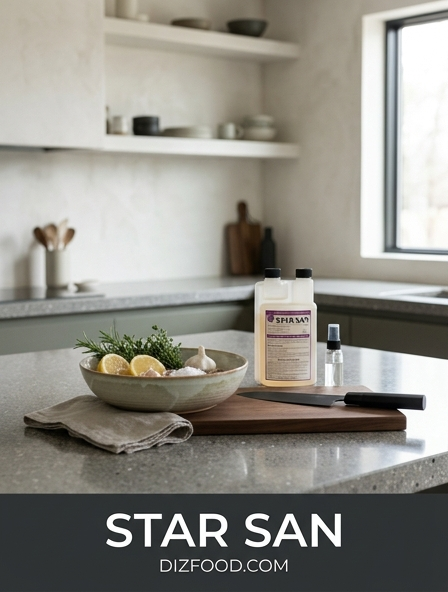
Sanitation is the most important discipline in any kitchen brewery. Once the boil is finished and the wort cools below 160°F, it becomes a perfect environment for wild yeast and bacteria. Everything that touches the cooled wort-fermenters, airlocks, spoons, and thermometers-must be thoroughly cleaned and then treated with a food-safe sanitizer like Star San. Cleaning removes physical debris, while sanitizing kills the microscopic organisms that can ruin a batch of beer.
- Thoroughly clean all equipment using a dedicated brewery wash.
- Submerge or spray all contact surfaces with a no-rinse sanitizer.
- Cool the wort to the specific temperature range required by the yeast strain (usually 65°F-72°F).
- Aerate the wort by shaking the fermenter to provide oxygen for yeast health.
- Pitch the yeast by pouring it into the fermenter or rehydrating it if using dry yeast.
- Seal the vessel and attach an airlock filled with sanitizer or cheap vodka.
Pitching at the correct temperature prevents the production of off-flavors like fusel alcohols or esters. Maintaining a stable environment during the first few days of fermentation is critical for the yeast to establish dominance and complete the sugar conversion effectively.
Avoiding Common Extract Brewing Mistakes
Even with high-quality ingredients, certain pitfalls can negatively impact an extract brew. One of the most common issues is "scorching," where the thick extract sinks to the bottom of the kettle and burns before it can dissolve. This creates a permanent acrid flavor that cannot be removed. Another frequent error is poor temperature control during fermentation. If the kitchen environment is too warm, yeast will produce fruity esters or spicy phenols that may not be appropriate for the style. Keeping the fermenter in a cool, dark place or using a swamp cooler can mitigate this.
Oxidation is another concern, particularly during the transfer from the fermenter to the bottling bucket. Splashing the finished beer introduces oxygen, which leads to a stale, cardboard-like flavor over time. Additionally, beginners often rush the process, bottling the beer before fermentation is truly complete. This can result in "bottle bombs" due to excessive pressure. Using a hydrometer to confirm a stable final gravity over two days is the only sure way to know fermentation has finished. Avoiding these mistakes ensures that the malt extract's potential is fully realized in a clean, professional-tasting beer.
Transitioning from Extract to Advanced Recipes
Once a brewer has mastered the extract process, they may feel the urge to explore more advanced techniques that offer greater control over the final product. The first step in this transition is often "Partial Mashing." This method combines malt extract with a larger amount of base grain that must be mashed, allowing the brewer to use certain grains that cannot be steeped, such as flaked oats or Munich malt. It provides a middle ground, requiring only a small amount of extra equipment while introducing the chemistry of enzymatic conversion.
- Partial Mash: Combining grains and extract for better fermentability.
- Full Volume Boils: Moving away from concentrated boils to improve hop utilization and reduce darkening.
- Yeast Starters: Growing a larger population of liquid yeast to ensure a vigorous fermentation.
- Brew in a Bag (BIAB): A simple entry point into all-grain brewing using a single vessel.
- Water Profile Adjustment: Learning to add calcium chloride or gypsum to tailor the water to specific styles.
Transitioning to these methods allows for unlimited recipe customization. While malt extract remains a convenient and effective tool, moving toward all-grain brewing provides the ultimate flexibility in manipulating fermentability, body, and the subtle nuances of different malt varieties.



Comments