
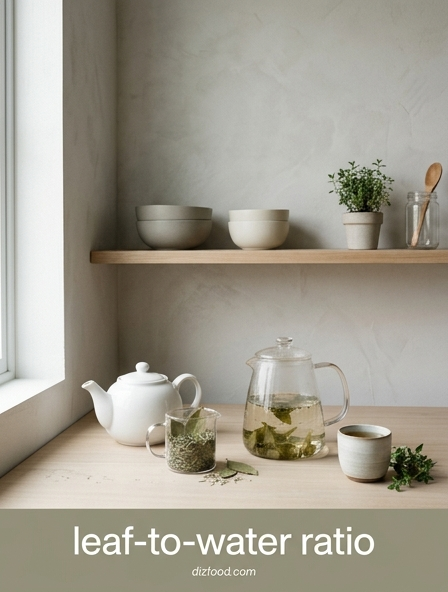
Understanding Tea Leaf to Water Ratios
The foundation of a perfect brew lies in the precise balance between the dried tea leaves and the water used for infusion. This relationship, known as the leaf-to-water ratio, determines the fundamental character of the beverage before it even touches your palate. In culinary terms, this ratio is as critical as the proportion of salt to flour in baking; it establishes the baseline for all subsequent chemical reactions. Most enthusiasts define this ratio in grams of tea per milliliter of water to maintain consistency across different vessel sizes. While a standard guideline often suggests two grams of leaf for every six ounces of water, this is merely a starting point for exploration.
Understanding this ratio requires an appreciation for the physical space leaves occupy. As leaves hydrate, they expand significantly, necessitating enough water to circulate freely and extract essential oils. If the ratio is too low, the tea becomes thin and unsatisfying. If too high, the solution becomes oversaturated, leading to a cluttered flavor profile. Mastering this balance allows the brewer to control the narrative of the tea, ensuring that the unique terroir and processing methods of the leaf are expressed clearly and harmoniously in the final cup.
How Ratio Dictates Flavor Intensity
Flavor intensity is directly proportional to the concentration of dissolved solids extracted from the tea leaves. When you increase the amount of leaf relative to the water, you are essentially increasing the availability of flavorful compounds like L-theanine and various aromatic esters. A higher ratio results in a syrupy mouthfeel and a more robust sensory experience, often bringing forward hidden notes that remain dormant in weaker brews. This intensity is not just about strength; it is about the density of the flavor molecules hitting the tongue.
- Low Ratio (1:100): Produces a light, refreshing, and highly diluted beverage suitable for casual hydration.
- Standard Ratio (1:50): Offers a balanced profile where sweetness, acidity, and body are in equilibrium.
- High Ratio (1:15): Results in a concentrated, pungent liquor with an oily texture and lingering aftertaste.
By manipulating these proportions, you can highlight specific characteristics of a tea. For instance, a delicate silver needle white tea may require a slightly higher ratio to prevent it from tasting like plain water, whereas a deeply roasted oolong might need more water to allow its complex smoky notes to breathe and unfold without overwhelming the palate with charred bitterness.
Measuring by Weight Versus Volume
In the kitchen, the method of measurement can drastically alter the outcome of the brew. Measuring by volume-using teaspoons or tablespoons-is notoriously unreliable because tea leaves vary wildly in density. A teaspoon of finely broken CTC black tea contains much more organic material than a teaspoon of large, wiry oolong leaves. Consequently, the only way to achieve true consistency and replicate a successful brew is to measure by weight using a digital scale with 0.1-gram precision.
| Tea Type | Weight (2 tsp) | Visual Density |
|---|---|---|
| Matcha Powder | ~5.0g | Extremely High |
| Broken Leaf Black | ~4.2g | High |
| Rolled Oolong | ~3.5g | Medium |
| White Peony | ~1.2g | Very Low |
As shown above, the same volume yields vastly different weights. Relying on volume often leads to "ghost" variables where the tea tastes different every day despite using the same spoon. Using weight eliminates these discrepancies, allowing the brewer to isolate other factors like temperature or time. For serious practitioners, the scale is the most important tool in the tea kit, ensuring that the leaf-to-water ratio remains an absolute constant rather than a moving target.
Impact on Astringency and Bitterness
Astringency and bitterness are often misunderstood as negative qualities, but in the right proportions, they provide structure and "bite" to a tea. These sensations are caused by polyphenols and catechins, which are extracted at different rates depending on the concentration of the brew. When the leaf-to-water ratio is excessively high without a corresponding decrease in steeping time, these compounds can dominate the liquor, leading to a puckering sensation on the tongue and a harsh, dry finish.
The science of extraction suggests that as the water becomes saturated with sugars and amino acids, the rate at which bitter tannins dissolve can change. If you use too little water for a large amount of leaf, the initial burst of flavor is intense, but the bitterness can quickly follow if the leaves are left to soak. Conversely, a very low leaf ratio often results in a brew that lacks the tannic backbone required to balance the natural sweetness of the tea. Balancing the ratio is therefore a defensive maneuver against over-extraction; it ensures that the pleasant aromatics are front and center while the astringent compounds remain in a supporting role, providing a clean and crisp finish rather than an overwhelming dryness.
Optimal Ratios for Different Tea Types
Every tea variety possesses a unique cellular structure that dictates how much leaf is needed to achieve an optimal cup. Because different processing methods-such as oxidation, rolling, and drying-affect the surface area and density of the leaf, a "one size fits all" ratio is rarely effective. Green teas, for instance, are often enjoyed at a moderate ratio to maintain their grassy sweetness, while puerhs are frequently pushed to much higher concentrations to showcase their earthy depths.
- White Tea: 3g per 150ml. Requires more leaf due to its light, airy structure and subtle flavor.
- Green Tea: 2.5g per 150ml. Balanced to avoid excessive bitterness while maintaining vegetal notes.
- Oolong Tea: 4g to 5g per 150ml. Higher ratios allow the complex aromatic layers to emerge over multiple steeps.
- Black Tea: 3g per 150ml. Standard for a bold, malt-forward profile that can take milk or sugar.
- Puerh Tea: 6g to 8g per 150ml. Very high ratio used for quick, intense infusions in smaller vessels.
These recommendations serve as a baseline. The specific harvest, the age of the leaves, and the water chemistry of your local tap will also play significant roles. Adjusting the ratio by even half a gram can be the difference between a flat tea and one that sings with clarity.
Western Style Versus Gongfu Proportions
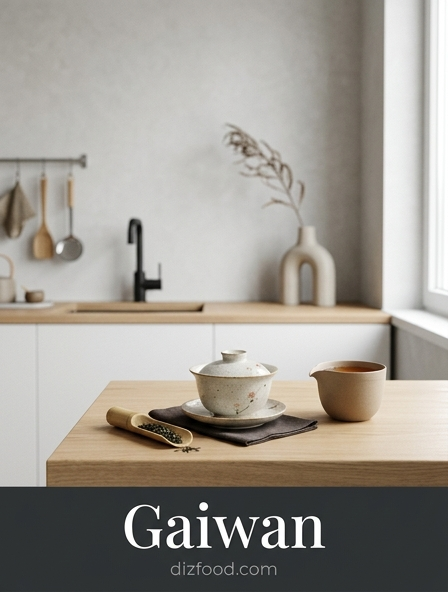
The philosophy of tea brewing is largely split between Western style and the traditional Chinese Gongfu style, both defined almost entirely by their leaf-to-water ratios. Western brewing prioritizes convenience and volume, using a small amount of leaf in a large pot for a long duration. In contrast, Gongfu brewing focuses on maximizing the evolution of flavor by using a very high concentration of leaf in a tiny vessel, such as a gaiwan or Yixing teapot, with extremely short steeping times.
| Feature | Western Style | Gongfu Style |
|---|---|---|
| Leaf Ratio | 1g : 50-100ml | 1g : 15-20ml |
| Vessel Size | 300ml - 1000ml | 60ml - 150ml |
| Steep Time | 3 to 5 minutes | 10 to 30 seconds |
| Infusions | 1 or 2 | 5 to 15 |
The Western approach creates a consistent, uniform cup that is easy to enjoy over a long period. The Gongfu approach, however, treats tea as an experience, where each rapid infusion reveals different facets of the leaf's personality. By using a high ratio, the brewer can "flash-steep," extracting the volatile aromatics before the heavy tannins have a chance to release, resulting in a cleaner yet more intense flavor profile.
The Science of Solute Concentration
At its core, brewing tea is a process of solvent extraction where water acts as the solvent and tea leaves provide the solutes. The leaf-to-water ratio determines the potential concentration gradient between the interior of the leaf and the surrounding liquid. When you have a high ratio of leaf to water, the water quickly reaches a point of partial saturation. This slower diffusion rate can actually protect the tea from becoming overly bitter, as the chemical equilibrium prevents too many tannins from rushing out at once.
However, if the ratio is too low, the water remains "hungry" for solutes throughout the entire steeping process. This creates a steep concentration gradient that can lead to a very rapid and uncontrolled release of all available compounds, including those that are less desirable. This is why a "weak" brew can sometimes paradoxically taste more bitter than a "strong" one; the low ratio allowed for a more complete, albeit shallow, extraction of everything in the leaf. Mastering the ratio is essentially mastering the physics of osmosis, ensuring that you stop the process when the most delicious solutes have been harvested but before the structural compounds of the leaf begin to degrade the quality of the liquor.
Fine Tuning Your Personal Brew Strength
While industry standards provide a helpful framework, the "perfect" ratio is ultimately a matter of personal preference. Every palate perceives bitterness and sweetness differently. Fine-tuning your brew requires a systematic approach to experimentation, ensuring that you only change one variable at a time to see how it affects the final result. If a tea tastes too weak, your first instinct should be to increase the leaf amount rather than increasing the time, as longer steeping often introduces unwanted flavors.
- Select a tea and use the recommended standard ratio as your baseline.
- Maintain a consistent water temperature and steeping time across all tests.
- Increase the leaf amount by 0.5 grams and note changes in mouthfeel and sweetness.
- Decrease the leaf amount if the tea feels "crowded" or lacks aromatic clarity.
- Document your findings in a tea journal to build a personal library of optimal ratios.
This iterative process allows you to adapt to the specific nuances of your kitchen environment. Factors such as the mineral content of your water can drastically change how flavor is extracted, making personal calibration an essential step for any serious tea drinker. Through this method, you transform from a passive consumer into an active participant in the culinary art of tea.
How Ratio Affects Caffeine Extraction
Caffeine is a highly water-soluble alkaloid, and its concentration in your cup is heavily influenced by the leaf-to-water ratio. Because caffeine dissolves relatively quickly-usually within the first minute of contact with hot water-the amount of tea leaf you use is the primary predictor of the total caffeine content in the final brew. A higher ratio naturally introduces more caffeine into the water, resulting in a more stimulating beverage. This is particularly evident in Gongfu brewing, where the concentrated liquor provides a much higher "dose" per sip than a Western-style mug.
However, the relationship is not perfectly linear. Because caffeine solubility increases with temperature and time, a high ratio steeped for a very short duration might actually result in less caffeine than a lower ratio steeped for a very long time. For those looking to manage their caffeine intake, understanding this ratio is key. Using fewer leaves with a slightly longer steep time can provide a full-flavored cup with lower total caffeine, while those seeking a morning jolt should opt for a higher leaf count. The ratio serves as your primary dial for controlling the physiological effects of the tea, allowing you to tailor the experience to your needs at different times of the day.
Common Mistakes in Tea Measurement
Even seasoned tea drinkers often fall into traps that compromise the integrity of their leaf-to-water ratio. One of the most prevalent errors is "eyeballing" the amount of leaf based on previous experience with a different tea type. Because leaves vary in shape-from tightly rolled pearls to flat, needle-like shards-the visual volume can be incredibly deceiving. A handful of one tea might weigh five grams, while a handful of another might only be two. This inconsistency is the primary reason why a tea can taste spectacular one day and mediocre the next.
- Overfilling the Infuser: Not leaving enough room for leaves to expand prevents water from reaching the center of the mass, leading to uneven extraction.
- Ignoring Vessel Volume: Using the same amount of leaf for a 12-ounce mug as you do for an 8-ounce cup drastically alters the concentration.
- Using Wet Spoons: Moisture can damage the remaining dry leaves in the tin and skew the weight of the current measurement.
- Neglecting Leaf Dust: The "fines" at the bottom of the bag extract much faster than whole leaves; failing to adjust the ratio for these small particles results in over-extraction.
Avoiding these pitfalls requires a commitment to precision. By treating tea measurement with the same rigor as a scientific experiment, you ensure that every cup you brew in your kitchen reaches its full potential.

Comments