
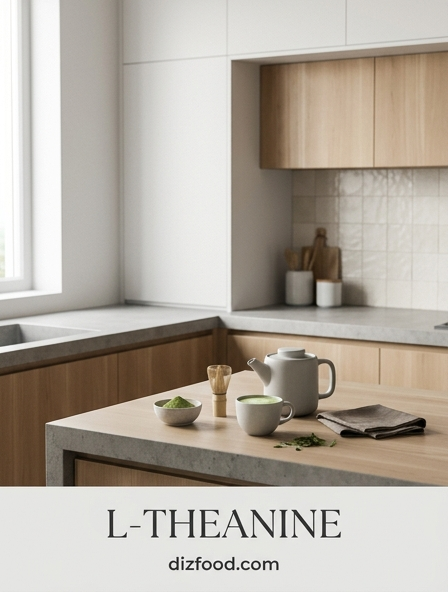
Selecting Premium Grade Loose Leaf
To maximize the intake of L-theanine in a culinary or beverage context, the selection process must prioritize the grade and specific variety of the tea leaf. L-theanine is an amino acid primarily found in the Camellia sinensis plant, but its concentration varies significantly across different processing methods. High-quality Japanese green teas are often the most reliable sources. When sourcing leaves, look for vibrant green hues and intact leaf structures, as these indicate minimal oxidation and careful handling during the drying process. Broken leaves or dusty textures often signal a loss of volatile compounds and amino acids.
- Gyokuro: Renowned for having the highest L-theanine content due to intensive shading before harvest.
- Matcha (Ceremonial Grade): Consuming the whole ground leaf ensures 100% ingestion of available amino acids.
- Tencha: The precursor to Matcha, offering a rich savory profile when steeped correctly.
- High-Grade Sencha: Look for "first flush" labels which indicate the youngest, nutrient-dense leaves.
Choosing premium loose leaf over tea bags is essential. The "fannings" found in standard tea bags expose more surface area to oxygen, leading to the degradation of L-theanine over time. Whole leaves preserve the chemical integrity of the amino acids until the moment of infusion.
Optimizing Water Temperature for Extraction
In the kitchen, the temperature of the water used for brewing is the most critical variable for controlling the flavor profile and the chemical release of L-theanine. This amino acid is highly soluble even at lower temperatures, whereas bitter catechins and caffeine require higher heat to dissolve. By utilizing lower brewing temperatures, you can extract the sweet, umami characteristics of L-theanine without the overwhelming astringency of polyphenols.
| Tea Type | Optimal Temp (°C) | Primary Benefit |
|---|---|---|
| Gyokuro | 50°C - 60°C | Maximum umami and amino acid retention |
| Ceremonial Matcha | 70°C - 80°C | Prevents scalding and bitter notes |
| Premium Sencha | 70°C - 75°C | Balances sweetness and light astringency |
| White Tea | 75°C - 85°C | Gentle extraction of delicate nutrients |
Using a temperature-controlled kettle or a kitchen thermometer ensures precision. If the water is too hot, the delicate L-theanine molecular structure remains present, but its flavor is masked by the aggressive release of tannins. Controlled heating creates a functional beverage that promotes relaxation through specific chemical isolation.
Impact of Harvest Season on Nutrients
The timing of the tea harvest significantly dictates the chemical composition of the leaves, particularly the ratio of L-theanine to polyphenols. During the winter dormancy period, tea plants accumulate nitrogen in their roots, which is then transported to the new buds in the spring. This results in the first harvest of the year, often called "Shincha" or "First Flush," containing the highest density of L-theanine. As the season progresses into summer and autumn, the increased sunlight exposure triggers a metabolic shift within the leaf.
- First Flush (Spring): Highest concentration of L-theanine; provides a sweet, buttery flavor profile.
- Second Flush (Early Summer): Increasing catechin levels; more robust flavor with moderate amino acids.
- Third/Fourth Flush (Late Summer/Autumn): Lowest L-theanine levels; high fiber and tannin content.
For those prioritizing the calming effects of tea in their diet, sourcing leaves exclusively from the spring harvest is necessary. These leaves are plucked when the plant's metabolic energy is focused on nutrient density rather than defensive chemical production. In the kitchen, spring-harvested teas require more delicate handling to preserve their fragile but potent nutritional profile.
The Role of Shaded Growth Conditions
The science of shading is fundamental to understanding why certain teas contain more L-theanine than others. L-theanine is naturally synthesized in the roots of the tea plant and moves to the leaves. Under normal sunlight, photosynthesis converts this amino acid into polyphenols like epigallocatechin gallate (EGCG). By covering the tea plants with bamboo mats or synthetic netting for several weeks before harvest, growers interrupt this conversion process, effectively "trapping" the L-theanine in the leaves.
This traditional agricultural technique, known as "Tana" shading, can increase the amino acid content by several hundred percent. In the kitchen, the result of this process is evident in the deep green color and the intense umami taste of the tea. The absence of sunlight prevents the development of bitterness, making shaded teas like Gyokuro and Matcha the gold standard for L-theanine enthusiasts. Understanding this process allows a cook or tea sommelier to appreciate the deliberate stress placed on the plant to produce a specific nutritional outcome. Shaded leaves are thinner and more sensitive, requiring precise storage and lower temperature extraction to honor their unique growth history.
Precision Steeping Times for Antioxidants
Timing the infusion is a delicate balance of kitchen chemistry. To isolate the benefits of L-theanine, one must understand the rate of dissolution for various tea compounds. L-theanine is one of the fastest compounds to move from the leaf into the water, usually reaching significant levels within the first 60 to 90 seconds of contact. However, if the steeping time is extended too long, the slower-releasing caffeine and bitter catechins begin to dominate the solution, which can counteract the relaxing effects of the amino acids.
- Short Steeps (1-2 minutes): Ideal for high-grade greens to emphasize L-theanine and sweetness.
- Moderate Steeps (3-4 minutes): Better for oolongs where a balance of body and nutrients is desired.
- Long Steeps (5+ minutes): Generally avoided for green tea as it leads to excessive astringency.
Using a kitchen timer is essential for consistency. For multiple infusions, the first steep should be brief to capture the most volatile amino acids. Subsequent steeps can be incrementally longer as the leaf structure opens up. This multi-steeping technique allows the consumer to enjoy the full spectrum of the leaf's chemistry while ensuring that the first, most nutrient-dense cup is perfectly balanced for L-theanine delivery.
Enhancing Bioavailability with Brewing Vessel Materials
The material of the brewing vessel can influence the temperature stability and chemical interaction during tea preparation. In a kitchen setting, choosing between clay, porcelain, or glass is not merely an aesthetic choice but a functional one that affects the final concentration of tea solutes. The heat retention properties of the material dictate how the water interacts with the leaf surface throughout the duration of the steep.
| Material | Heat Retention | Effect on L-Theanine Extraction |
|---|---|---|
| Porcelain/Ceramic | Moderate | Neutral; excellent for delicate green teas. |
| Purple Clay (Yixing) | High | Retains heat; may absorb some oils but stabilizes temp. |
| Borosilicate Glass | Low | Allows for visual monitoring; cools quickly to prevent over-extraction. |
| Cast Iron (Tetsubin) | Very High | Best for maintaining high heat for darker teas; usually too hot for greens. |
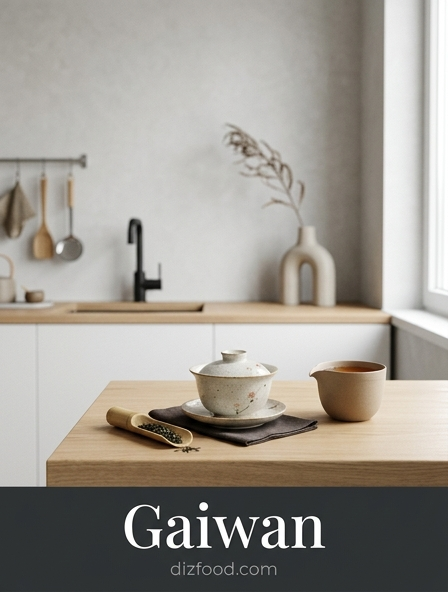
Porcelain is often preferred for high-L-theanine teas because its non-porous surface does not absorb the delicate amino acids. Furthermore, porcelain's ability to shed heat slightly faster than clay helps prevent the water from staying in the "bitter zone" for too long, protecting the subtle flavor profile of the premium loose leaf.
Storing Tea to Preserve L-Theanine
Proper storage is the only way to prevent the degradation of L-theanine once the tea has entered the kitchen. Amino acids are sensitive to environmental factors including light, heat, moisture, and oxygen. When exposed to air, the leaves undergo oxidation, which slowly converts the desired amino acids into other compounds, reducing both the nutritional value and the characteristic umami taste. To maintain the highest levels of L-theanine, the storage environment must be strictly controlled.
- Airtight Containers: Use double-lidded tin canisters or vacuum-sealed bags to minimize oxygen exposure.
- Light Shielding: Avoid glass jars unless they are stored in a completely dark pantry, as UV rays degrade chlorophyll and nutrients.
- Temperature Control: Store tea in a cool, dry place. For long-term storage of Matcha or Gyokuro, refrigeration is acceptable if the container is perfectly sealed to prevent moisture.
- Odor Isolation: Tea leaves are hygroscopic and absorb surrounding kitchen smells, which can ruin the sensory experience.
Consuming tea within six months of opening is recommended. While tea does not "spoil" in a traditional sense, its peak L-theanine concentration is a fleeting quality that diminishes with every exposure to the kitchen environment.
Synergistic Kitchen Techniques for Tea Infusion
Beyond simple steeping, several kitchen techniques can be employed to enhance the extraction of L-theanine. These methods focus on the physical and chemical environment of the brewing vessel. For instance, the "pre-warming" of the teapot ensures that the water temperature remains stable the moment it hits the leaves, preventing a sudden drop that could result in uneven extraction. Additionally, the quality of the water used is paramount; filtered water with a neutral pH and moderate mineral content allows the amino acids to dissolve more effectively than hard tap water.
- The Rinse: A quick 5-second rinse with cool water can "awaken" the leaves without stripping the nutrients.
- Water Agitation: Pouring water from a height can aerate the tea, though for high-amino teas, a gentle pour is usually better to avoid bruising.
- The Cooling Plate: Pouring boiling water into a separate vessel first to let it cool to the target temperature before adding it to the leaves.
These subtle adjustments transform a standard beverage into a targeted nutritional extraction. By controlling the physics of the pour and the chemistry of the water, you ensure that the maximum amount of L-theanine is transferred from the leaf to the cup in its most bioavailable form.
Identifying High Elevation Cultivation Markers
Terroir, specifically elevation, plays a significant role in the development of L-theanine within the tea leaf. High-altitude tea gardens, often located in mountainous regions shrouded in mist, provide a natural shading effect. The lower temperatures found at these heights slow the growth of the tea plant, allowing for a more concentrated accumulation of nutrients within the buds and leaves. When sourcing tea for the kitchen, looking for "High Mountain" or "Alpine" designations can be a useful shortcut to finding amino-rich products.
Plants grown at high elevations also face higher UV exposure, but the cooler nighttime temperatures inhibit the conversion of L-theanine into catechins. This creates a unique chemical profile that is both high in antioxidants and high in calming amino acids. In terms of sensory markers, high-elevation teas often possess a "mountain character"-a clean, crisp finish and a lingering sweetness on the palate. These markers are direct indicators of the complex amino acid chains present in the leaf. Identifying these markers allows a consumer to select teas that naturally possess the chemical properties they desire without relying solely on processing techniques like artificial shading.
Cold Brew Methods for Amino Acid Retention
Cold brewing is perhaps the most effective kitchen method for isolating L-theanine while completely avoiding bitterness. Because L-theanine is highly soluble in cold water, but caffeine and tannins are not, a long, cold extraction creates a liquid that is chemically distinct from hot-brewed tea. This method, known in Japan as "Mizudashi," results in a beverage that is incredibly smooth, sweet, and packed with L-theanine. This is ideal for those who are sensitive to the stimulatory effects of caffeine but want the cognitive benefits of tea.
- Leaf-to-Water Ratio: Use approximately 10-15 grams of tea per liter of filtered water.
- Steep Time: Place the vessel in the refrigerator for 6 to 12 hours.
- Vessel Choice: A glass carafe allows you to observe the leaves unfurling during the slow extraction.
The cold brew process preserves the most delicate aromatic compounds and prevents the thermal degradation of vitamins. In the kitchen, this method is also convenient, as it can be prepared overnight. The resulting infusion is a concentrated source of L-theanine that can be consumed straight or used as a base for sophisticated, health-focused culinary creations and mocktails.

Comments