
Unlocking the full therapeutic potential of your herbs depends heavily on the science of heat application. When you select the appropriate thermal technique, you effectively break down rigid plant cell walls to release bioavailable phytonutrients and minerals that would otherwise remain locked away. This strategic approach ensures that delicate volatile oils are preserved in soft leaves while ensuring that dense, woody barks surrender their medicinal compounds. By matching your method to the plant's anatomy, you transform a simple beverage into a potent wellness tonic that maximizes health benefits. To perfect your home apothecary, it is essential to understand the functional differences between steeping vs decoction.
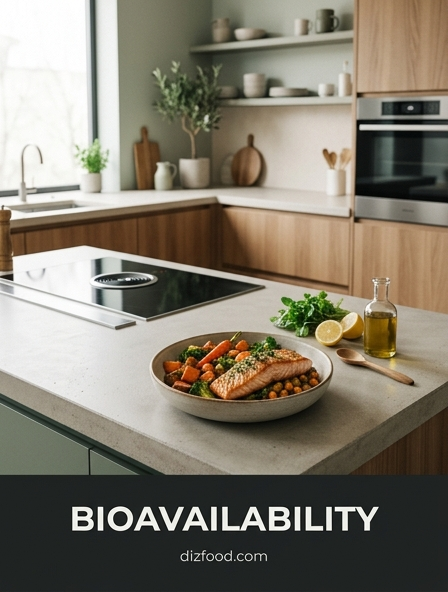
The Science of Thermal Extraction
Thermal extraction is a fundamental process in kitchen science that utilizes kinetic energy to break down complex biological structures. When heat is applied to plant material, the increased molecular vibration weakens the rigid cellulose cell walls and pectin layers that encapsulate nutrient-dense cytoplasm. As these barriers degrade, intracellular compounds including polyphenols, alkaloids, and minerals are released into the surrounding solvent, typically water or oil. This process is governed by the laws of thermodynamics, where the rate of diffusion increases proportionally with temperature.
To understand the efficiency of this process, one must consider the following factors involved in molecular liberation:
- Solvent Polarity: Water-soluble vitamins require aqueous environments, while carotenoids require lipids.
- Thermal Agitation: High temperatures increase the collision frequency between solvent molecules and the solute.
- Cellular Permeability: Heat-induced expansion creates micro-fissures in tough plant tissues.
- Molecular Weight: Smaller molecules extract faster than complex polysaccharides.
By mastering these variables, a cook can transform raw ingredients into a bioavailable format, ensuring that the human digestive system can access nutrients that would otherwise remain trapped within the indigestible fiber of the plant's structural matrix.
Optimal Temperatures for Nutrient Potency
In the pursuit of maximum bioavailability, temperature precision is paramount. Different phytochemicals and micronutrients exhibit varying levels of thermal stability. While some compounds require high heat to become accessible, others are highly labile and will denature or oxidize if exposed to excessive temperatures. For example, Vitamin C and certain B vitamins are notoriously sensitive to heat, often degrading at temperatures well below the boiling point. Conversely, minerals like magnesium and calcium are relatively stable and benefit from higher thermal energy to facilitate their release from oxalate bonds.
The following table outlines the general stability of common kitchen nutrients when subjected to heat:
| Nutrient Category | Heat Sensitivity | Optimal Extraction Range |
|---|---|---|
| Vitamin C (Ascorbic Acid) | High | 40°C - 60°C |
| Polyphenols (Tea/Herbs) | Moderate | 70°C - 85°C |
| Carotenoids (Lycopene) | Low | 90°C - 100°C |
| Minerals (Iron/Calcium) | Very Low | 100°C+ (Decoction) |
Achieving the right balance ensures that the extraction process liberates the desired compounds without compromising their chemical integrity or biological activity once ingested.
Decoction Techniques for Woody Herbs
Decoction is a robust extraction method specifically designed for hardy plant materials such as roots, bark, seeds, and woody stems. Unlike delicate leaves, these materials possess dense, lignified structures that require sustained high-energy environments to yield their therapeutic constituents. The process involves placing the botanical material in cold water, bringing it to a boil, and then maintaining a low simmer for an extended duration. This prolonged exposure to heat facilitates the breakdown of tough fibers and the dissolution of water-soluble minerals and heavy polysaccharides.
To perform an effective decoction for maximum bioavailability, follow these steps:
- Chop or crush the woody material to increase the surface area available for the solvent.
- Submerge the material in cold water to allow for gradual hydration before heat application.
- Bring the mixture to a slow boil, then reduce heat to a simmer, covering the vessel tightly.
- Continue the simmer for 20 to 45 minutes depending on the density of the material.
- Strain the liquid immediately to prevent the re-absorption of nutrients by the spent fiber.
This method ensures that deeply embedded compounds, such as the saponins in ginseng or the glycyrrhizin in licorice root, are fully extracted into the aqueous solution.
Gentle Infusion for Delicate Flora
Delicate flora, such as flower petals, young leaves, and volatile-rich herbs like peppermint or chamomile, require a more nuanced approach known as infusion. These plant parts contain thin cell walls and highly sensitive essential oils that can be destroyed by the aggressive turbulence of boiling. Infusion relies on pre-heated water that is poured over the plant material, allowing for a gradual and gentle transfer of nutrients. This method minimizes the extraction of bitter tannins while maximizing the presence of aromatic compounds and heat-sensitive antioxidants.
The key to a successful infusion is "off-boil" water, typically ranging from 75°C to 85°C. By avoiding active boiling, the cook prevents the rapid evaporation of volatile esters that contribute significantly to the functional profile of the plant. Furthermore, gentle infusion preserves the enzymatic activity that may assist in the digestive process. A short steeping window of three to seven minutes is usually sufficient; exceeding this time can lead to the over-extraction of astringent compounds, which may bind to proteins and reduce the overall bioavailability of the desired nutrients within the gut.
Maximizing Bioavailability Through Heat
Bioavailability refers to the proportion of a nutrient that is absorbed and utilized by the body. In many instances, raw vegetables are less bioavailable than their cooked counterparts. This is particularly true for fat-soluble vitamins and certain antioxidants. For example, the lycopene found in tomatoes is tightly bound to the plant's fiber and cellular structures. Applying heat breaks these bonds and converts lycopene from a trans-isomer to a cis-isomer, which is significantly more absorbable by human intestinal cells. Similarly, the beta-carotene in carrots becomes more accessible after steaming or roasting.
To further enhance the bioavailability during thermal processing, consider these strategies:
- Mechanical Pre-treatment: Pureeing or finely dicing ingredients before heating further assists in cell wall rupture.
- Lipid Addition: Adding healthy fats during the heating process helps dissolve fat-soluble compounds instantly.
- Acidulation: A splash of lemon juice or vinegar can help stabilize certain minerals during the heating phase.
- Short-Duration High Heat: Methods like blanching can deactivate enzymes that cause nutrient degradation while keeping the core nutrients intact.
Through the strategic application of heat, the kitchen becomes a laboratory for transforming raw matter into a highly efficient source of human fuel.
Impact of Brewing Duration on Solubility
Solubility is a time-dependent variable that dictates how much of a solute can be dissolved in a solvent before reaching saturation. In kitchen extractions, the duration of brewing significantly influences the chemical profile of the final extract. During the initial minutes of contact between hot water and plant material, highly soluble compounds like sugars, salts, and light acids are the first to migrate. As time progresses, larger and less soluble molecules, such as complex tannins and alkaloids, begin to saturate the solution. This progression can drastically change both the flavor and the nutrient density.
If the brewing duration is too short, the extract will be weak and lack the full spectrum of available nutrients. However, if the duration is too long, the solution may become over-saturated with secondary metabolites that can interfere with nutrient absorption or cause gastric distress. Monitoring the extraction time allows for the "sweet spot" where the concentration of beneficial polyphenols is highest without the excessive presence of bitter compounds. For most leafy herbs, this window is precise, often measured in seconds rather than minutes, highlighting the importance of timing in thermal extraction science.
Vessel Material and Heat Retention
The material of the cooking vessel plays a silent but critical role in the thermal extraction process. Each material has a different thermal conductivity and heat capacity, which affects how consistently energy is transferred to the ingredients. For precise extraction, maintaining a stable temperature is more important than simply reaching a high one. Inconsistent heat can lead to "hot spots" that burn delicate compounds or "cool zones" that fail to trigger necessary chemical transitions. Furthermore, the reactivity of the material must be considered to avoid unwanted chemical alterations.
The following table compares common vessel materials used in nutrient extraction:
| Material | Heat Retention | Reactivity | Best Use |
|---|---|---|---|
| Glass | Moderate | Non-reactive | Delicate infusions, viewing color changes |
| Cast Iron | Very High | Reactive | Long decoctions, mineral enrichment |
| Ceramic | High | Non-reactive | Traditional herbal steeping, steady heat |
| Stainless Steel | Low | Non-reactive | General boiling and rapid cooling |
Choosing a non-reactive vessel like glass or ceramic ensures that the pH of the extraction remains neutral, preserving the integrity of the bioactive compounds without metallic interference.
Preserving Volatile Essential Oils
Volatile essential oils are the aromatic compounds responsible for the flavor and many of the health benefits of herbs and spices. Because these compounds have a high vapor pressure, they easily transition from a liquid to a gaseous state when heated. If a pot is left uncovered during the extraction process, these valuable oils escape into the air, leaving behind a depleted liquid. To maximize bioavailability, these oils must be trapped and forced back into the solvent through condensation. This is the primary reason why lid placement is a critical step in kitchen pharmacology.
To preserve these delicate volatiles, observe the following protocol:
- Always use a tight-fitting lid during both the simmering and steeping phases.
- Minimize the number of times the lid is removed to check the progress.
- If possible, use a lid with a weighted seal or a "self-basting" design that encourages drips.
- Allow the liquid to cool slightly before removing the lid to ensure vapors have returned to liquid form.
By capturing these vapors, you ensure that the terpene and phenolic profiles remain intact, providing a more potent and bioavailable finished product.
Simmering versus Steeping Methods
The distinction between simmering and steeping lies in the application of continuous versus residual heat. Simmering involves a constant external heat source that keeps the solvent at a temperature just below the boiling point (approximately 85°C to 95°C). This active movement creates a gentle convection current that continuously washes fresh solvent over the plant material, making it ideal for dense tissues that require constant energy to facilitate diffusion. It is a more aggressive form of extraction that forces the liberation of more complex molecular chains.
Steeping, on the other hand, utilizes the residual heat of a liquid that has been removed from its energy source. This method is much more passive. As the temperature naturally declines, the extraction rate slows down, which serves as a natural "cutoff" for the release of heavier, more bitter compounds. Steeping is preferred for materials where the goal is to capture high-vibrancy nutrients and delicate flavors without the risk of thermal degradation. Understanding when to use active simmering versus passive steeping is the difference between a nutritive broth and a denatured, bitter liquid.
Precision Heat for Maximum Absorption
Modern kitchen technology has introduced tools that allow for unprecedented precision in heat management, which directly impacts the bioavailability of prepared foods. Induction cooktops and digital thermometers allow a cook to hold a liquid at a specific degree, such as 65°C for the activation of certain enzymes or 82°C for the optimal extraction of green tea catechins. This level of control prevents the common mistake of overshooting the target temperature, which can lead to the permanent loss of heat-labile nutrients.
To achieve precision in your thermal extractions, consider the following technical tips:
- Digital Monitoring: Use a probe thermometer to track the core temperature of the extraction solvent.
- Incremental Heating: Raise temperatures slowly to allow different compounds to extract at their specific thresholds.
- Controlled Cooling: Rapidly cooling an extract after the desired duration can "freeze" the chemical profile and prevent further oxidation.
- Small Batching: Smaller volumes respond more quickly to temperature adjustments, allowing for tighter control.
By treating the stove as a precision instrument, the cook can ensure that every milligram of vitamin, mineral, and antioxidant is optimized for human absorption, turning daily meals into functional nutrition.

Comments