
If you're chasing that elusive "liquid gold" experience from your favorite specialty beans, the battle between a high-pressure espresso machine and the classic stovetop Moka Pot is a journey of extraction and intensity. While both methods utilize pressure to pull rich flavors from your grounds, they offer distinct profiles: authentic espresso delivers a concentrated, velvety shot topped with a signature crema using 9 bars of mechanical force, whereas the Moka Pot-often called the "stovetop espresso"-produces a robust, full-bodied brew that captures a rustic, earthy strength without the need for expensive equipment. Ultimately, deciding which method gets the most out of your beans depends on whether you crave the technical precision and silky texture of a cafe-quality shot or the bold, unapologetic punch of a traditional Italian kitchen staple.
| Feature | Espresso Machine | Moka Pot |
|---|---|---|
| Pressure | 9 Bars (High Pressure) | 1.5 - 2 Bars (Steam Pressure) |
| Grind Size | Fine / Uniform (Salt-like) | Medium-Fine (Table Salt) |
| Texture | Syrupy with thick crema | Heavy, oily, no true crema |
| Entry Cost | $300 - $2,000+ | $25 - $60 |
| Skill Level | High (Dialing-in required) | Low (Beginner friendly) |
| Flavor Profile | Bright, acidic, complex | Deep, chocolatey, intense |
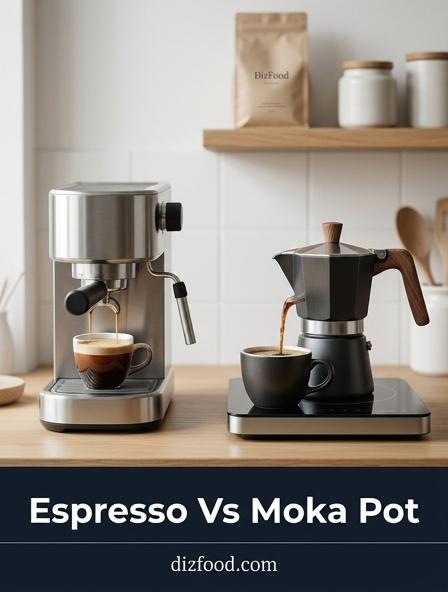
Espresso vs Moka Pot The Ultimate Flavor Showdown
The culinary debate between espresso and Moka pot coffee often centers on the profile of flavor and intensity. Espresso is widely regarded as the pinnacle of coffee extraction, characterized by its concentrated, syrupy texture and a complex balance of acidity, sweetness, and bitterness. Because of the high pressure used during extraction, espresso pulls out volatile aromatic compounds and oils that create a vibrant, multi-layered tasting experience. It is the gold standard for those who enjoy tasting the specific terroir of a single-origin bean, offering a bright and clean finish that lingers on the palate.
In contrast, the Moka pot-often called the "stovetop espresso"-produces a cup that is remarkably bold and heavy-bodied, yet lacks the refined clarity of its machine-made counterpart. The Moka pot tends to lean into deeper, chocolatey, and nutty notes due to the slightly higher brewing temperatures involved. While it may not offer the same delicate acidity as espresso, it provides a rustic, "punchy" flavor that many traditionalists prefer. This method is less about highlighting subtle floral notes and more about delivering a robust, soul-warming kick that stands up exceptionally well to milk or sugar.
- Espresso: High clarity, bright acidity, intense sweetness, and complex aromatics.
- Moka Pot: Deep body, heavy mouthfeel, chocolatey undertones, and rustic intensity.
- Aftertaste: Espresso leaves a clean, lingering finish; Moka pot leaves a dark, coating sensation.
Understanding the Science of Pressure Brewing
The fundamental difference between these two methods lies in the physics of pressure. True espresso requires a minimum of 9 bars of atmospheric pressure, which is generated by an internal electric pump. This immense force pushes water through a tightly packed "puck" of finely ground coffee in a matter of seconds. This specific level of pressure is required to emulsify CO2 and coffee oils, creating the chemical reaction that results in crema. Without this 9-bar threshold, the cellular structure of the coffee bean cannot be fully exploited, which is why espresso is technically unique in the world of brewing.
The Moka pot operates on a much simpler physical principle: steam pressure. As water in the bottom chamber boils, it creates steam, which increases the internal pressure to approximately 1.5 to 2 bars. This pressure is just enough to push the hot water up through the coffee grounds and into the top collection chamber. Because the pressure is significantly lower, the extraction happens at a higher temperature, often nearing boiling point. This difference in thermodynamics means the Moka pot relies more on heat than pressure to achieve its strength, leading to a different chemical composition in the final cup compared to the pump-driven espresso machine.
Moka Pot Efficiency vs Espresso Machine Precision
Efficiency in the kitchen is often a matter of how much control a user wants over the final product. The Moka pot is the epitome of "set it and forget it" simplicity. Once the chambers are filled and the pot is placed on the stove, the laws of physics take over. It is a highly efficient method for brewing several servings at once without needing to stand over a machine. For many, the ritual of the Moka pot is part of its charm-the sound of the gurgle signaling that the coffee is ready is a staple of Mediterranean mornings.
Espresso machines, however, are built for precision. A professional-grade machine allows the user to control every variable: water temperature (via PID controllers), pressure profiling, and flow rate. This precision ensures that every shot is consistent, but it requires a much higher level of skill and attention. While the Moka pot is efficient for a casual household, the espresso machine is a tool for those who view coffee as a science. To achieve the perfect shot, one must often follow a strict workflow:
- Preheating the portafilter and group head to ensure thermal stability.
- Dosing and distributing the grounds with sub-gram accuracy.
- Tamping with consistent level pressure to avoid channeling.
- Monitoring the extraction time to the second to prevent over-extraction.
- Cleaning and backflushing the machine immediately after use.
Comparing Crema and Body in Every Cup
Crema is perhaps the most visual distinction between the two methods. In a well-pulled espresso, crema appears as a thick, tan-colored foam sitting atop the liquid. It is an emulsion of oils and carbon dioxide that traps the coffee's most delicate aromas. For many aficionados, the quality of the crema is a direct indicator of the freshness of the beans and the skill of the barista. The body of an espresso is syrupy and viscous, coating the tongue and providing a heavy mouthfeel despite the small volume of liquid.
The Moka pot does not produce true crema. Because it lacks the necessary 9 bars of pressure, the CO2 is not emulsified in the same way. You may see some light bubbles or "fizz" at the end of the brew cycle, but this dissipates almost instantly. However, what the Moka pot lacks in foam, it makes up for in silty body. Because the filter basket has larger holes than an espresso basket, more micro-fines and oils pass into the final cup. This results in a texture that is heavier and more "textural" than drip coffee, though it remains thinner and less oily than a true espresso.
| Feature | Espresso | Moka Pot |
|---|---|---|
| Crema Presence | Thick, persistent foam layer | Rarely present; thin bubbles |
| Viscosity | Syrupy and concentrated | Rich but fluid |
| Oil Content | Highly emulsified | Present as sediment |
| Clarity | High (with proper filtration) | Low (more particulates) |
Caffeine Concentration and Strength Differences Explained
When discussing "strength," it is important to distinguish between concentration and total caffeine content. Espresso is the most concentrated form of coffee by volume. A standard 1-ounce shot typically contains 60 to 80 milligrams of caffeine. This means you are getting a massive hit of caffeine in a very small amount of liquid, which contributes to the "kick" associated with the beverage. The high pressure and fine grind facilitate a rapid transfer of caffeine from the grounds to the water, making it an incredibly efficient delivery system for stimulants.
The Moka pot produces a beverage that is less concentrated than espresso but significantly stronger than standard drip coffee. A typical Moka pot serving (2 ounces) may contain about 100 milligrams of caffeine. Because the Moka pot uses a larger amount of coffee grounds and a longer contact time with hot water, it extracts a high total amount of caffeine. However, because the volume of water used is higher than an espresso shot, the caffeine is more diluted. If you drink a full 3-cup Moka pot, you are consuming far more caffeine than a double shot of espresso, even if the espresso feels "stronger" on the palate due to its intensity.
Cost Analysis Professional Gear vs Budget Stove-top
The financial barrier to entry is the most significant factor for many home brewers. A Moka pot is one of the most cost-effective ways to enjoy high-quality coffee. A genuine Italian-made aluminum or stainless steel pot can be purchased for a modest price and can literally last a lifetime with minimal parts replacement. There are no electronics to fail and no expensive pumps to service. It is a "buy it once" kitchen tool that provides incredible value over decades of use.
Espresso machines sit at the opposite end of the spectrum. To achieve café-quality results, one generally needs to invest in a machine with a dedicated boiler and a high-quality pump. Furthermore, the machine is only half the battle; an espresso-capable burr grinder is mandatory and often costs as much as a mid-range machine. When you factor in the cost of accessories like tampers, scales, and cleaning supplies, the "prosumer" espresso hobby becomes a significant investment. Maintenance costs, including descaling solutions and replacement gaskets, also add up over time.
- Moka Pot: Low initial cost ($30-$60); zero electricity; minimal maintenance costs.
- Entry-Level Espresso: Moderate cost ($150-$500); requires a separate burr grinder.
- Prosumer Espresso: High cost ($1,000+); requires high-end grinder and water filtration.
- Durability: Moka pots are nearly indestructible; machines require technical upkeep.
Ease of Use and Daily Maintenance Comparison
The Moka pot is celebrated for its low-maintenance lifestyle. It consists of only three main parts: the base, the filter basket, and the upper chamber. After brewing, you simply wait for it to cool, dump the spent grounds, and rinse the parts with warm water. Most traditionalists advise against using soap on aluminum pots to allow a "seasoning" to develop, though stainless steel models are more forgiving. It is an ideal tool for those who want a quick cleanup before heading out the door in the morning.
Espresso machines require a much more rigorous maintenance schedule to function correctly. Every shot leaves behind oils and ground particles in the group head and portafilter, which can quickly turn rancid and ruin future brews. Daily use requires a specific cleaning ritual to ensure the longevity of the internal components. For many, this added labor is the price of perfection, but for the casual drinker, it can feel like a chore. The maintenance steps generally include:
- Purging the steam wand before and after every use to prevent milk buildup.
- Wiping the group head screen to remove stuck grounds.
- Performing a "backflush" with cleaning powder every week or two.
- Emptying and scrubbing the drip tray and water reservoir daily.
- Descaling the internal boiler every few months to prevent limescale damage.
Grind Size Requirements for Optimal Extraction
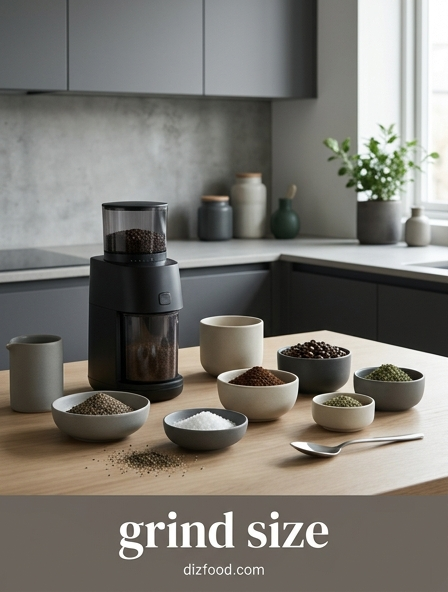
The success of both methods hinges on the grind size of the coffee beans. For espresso, the grind must be extremely fine, similar in texture to powdered sugar or table salt. This fineness creates the necessary resistance against the high-pressure water, allowing the machine to extract the coffee slowly and evenly. If the grind is too coarse, the water will rush through (sour/under-extracted); if it is too fine, the machine may choke and produce nothing (bitter/over-extracted). This requires a specialized burr grinder capable of making micro-adjustments.
Moka pots require a slightly coarser grind, often described as "medium-fine" or similar to table salt. Because the Moka pot relies on much lower pressure, a true espresso grind would be too restrictive. If you use a powder-fine grind in a Moka pot, the steam pressure might not be strong enough to push through the coffee, leading to a stalled brew or, in extreme cases, the safety valve releasing steam. Conversely, a grind that is too coarse will result in a watery, weak, and sour brew. Finding the "sweet spot" for a Moka pot is generally easier and more forgiving than dialing in a professional espresso machine.
Versatility for Lattes and Specialty Coffee Drinks
If your goal is to recreate a café menu at home, the espresso machine is the undisputed winner. The presence of a high-pressure steam wand allows you to create "microfoam"-the silky, aerated milk required for lattes, cappuccinos, and flat whites. The concentrated nature of the espresso shot ensures that the coffee flavor remains prominent even when diluted with 6 to 10 ounces of milk. This versatility allows you to experiment with various specialty drinks, from a traditional macchiato to a modern iced latte, with professional results.
The Moka pot can produce a very convincing latte-style drink, but it requires a secondary tool for the milk. Since the pot only brews coffee, you must heat and froth your milk separately using a handheld frother, a French press, or a standalone steam wand. While the Moka pot coffee is strong enough to cut through the milk, it lacks the velvety texture of a true latte because the milk is usually just "bubbly" rather than "micro-foamed." However, for those who enjoy a "Café au Lait" or a simple "Latte Macchiato," the Moka pot provides a delicious and much more affordable foundation.
- Latte Art: Only possible with the steam wand of an espresso machine.
- Simplicity: Moka pot is better for large batches of milk-based coffee.
- Strength: Both methods provide a strong enough base to prevent milk from overpowering the coffee.
Choosing the Best Brewing Method for Your Lifestyle
Choosing between an espresso machine and a Moka pot ultimately comes down to your budget, your patience, and your palate. If you are a coffee hobbyist who enjoys the technical challenge of "pulling the perfect shot" and you have the budget to invest in quality equipment, an espresso machine will provide an unparalleled experience. It is the only way to achieve the specific texture of crema and the complex acidity found in professional coffee shops. It is a statement piece for the kitchen and a rewarding daily ritual for the perfectionist.
On the other hand, if you value simplicity, durability, and a classic, bold cup of coffee, the Moka pot is the superior choice. It is perfect for those who want a strong morning caffeine kick without the fuss of electronics or high-maintenance cleaning schedules. It is also the better option for travelers or those with limited counter space. The Moka pot offers a sense of tradition and a rugged charm that an espresso machine cannot replicate. Whether you choose the precision of the pump or the pressure of the stove, both methods celebrate the rich history of concentrated coffee brewing.




Comments