
Harnessing hydrostatic pressure is a game-changer for anyone looking to optimize fluid management without relying on external power sources. By utilizing the weight of the liquid column and the natural pull of gravity, you can achieve a consistent discharge rate that is both energy-efficient and highly reliable. This method relies on the vertical distance between the fluid surface and the outlet-often referred to as head pressure-to drive movement seamlessly through your system. Understanding these fluid dynamics helps in designing setups that minimize turbulence while preserving liquid integrity. For a deeper look at how these mechanics compare to vacuum-driven methods, explore the nuances of Siphon Vs Gravity Transfer.
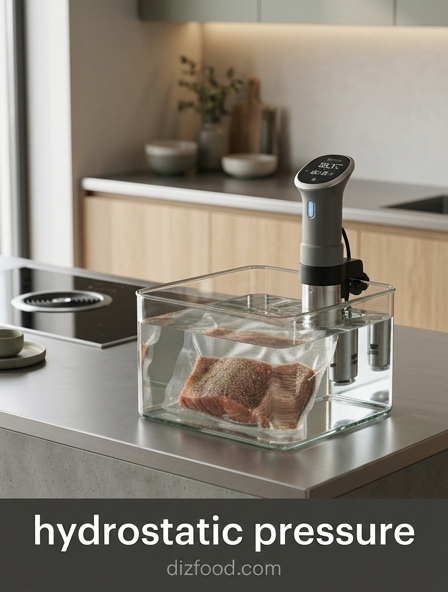
Principles of Hydrostatic Pressure in Brewing
In the context of the kitchen brewery, hydrostatic pressure is the force exerted by a fluid at rest due to the influence of gravity. This pressure increases in direct proportion to the depth of the liquid, a principle defined by the height of the column and the density of the wort. Unlike dynamic pressure, which occurs during fluid movement, hydrostatic pressure is a static attribute that determines how much potential energy is available to drive liquid through valves and manifolds. Understanding this allows brewers to predict how liquid will behave before a single valve is opened.
- Density Influence: Heavier, high-gravity worts exert slightly more pressure than plain water at the same depth.
- Height Dominance: The total volume of the kettle does not dictate pressure; only the vertical distance from the surface to the outlet matters.
- Equilibrium: Fluids will naturally seek a level state, moving from areas of high hydrostatic pressure to low pressure.
By mastering these principles, a brewer can manipulate fluid dynamics without the need for mechanical intervention, ensuring a more natural and controlled transfer process throughout the brewing cycle.
Optimizing Vessel Elevation for Fluid Flow
Strategic elevation of kitchen vessels is the most effective way to harness hydrostatic pressure for efficient brewing. By arranging kettles and tuns at varying heights, the brewer creates a pressure gradient that facilitates the movement of hot liquor and wort. The vertical distance between the liquid level in the source vessel and the entry point of the destination vessel determines the flow rate. A greater elevation difference results in higher head pressure, which is essential for overcoming the internal resistance of hosing and grain beds.
| Elevation Difference | Pressure Output | Typical Kitchen Application |
|---|---|---|
| 0.5 Meters | Low | Slow sparging or filtering |
| 1.0 Meters | Medium | Standard wort transfer to fermenter |
| 1.5 Meters | High | Rapid chilling through plate heat exchangers |
Optimizing these heights ensures that the kinetic energy gained from gravity is sufficient to maintain a steady stream, preventing stalls during critical phases like the sparge or the final knockout to the carboy.
Calculating Head Pressure for Gravity Discharge
To accurately manage a gravity-fed kitchen setup, one must calculate the available head pressure. This calculation involves measuring the vertical distance between the liquid's surface and the discharge point. In brewing, this is often measured in "inches of water" or "PSI." Calculating this value allows the brewer to determine if the pressure is sufficient to push liquid through specific hardware, such as carbon filters or cooling coils, which introduce significant flow resistance.
- Identify the vertical height (h) from the liquid surface to the outlet.
- Determine the fluid density (Ï), noting that sugary wort is denser than water.
- Multiply height by density and the gravitational constant to find the static pressure.
- Subtract the estimated friction loss caused by tubing length and diameter.
Accurate calculations prevent the frustration of a slow or non-existent flow during the brew day. It allows for the precise placement of shelving and burner stands, ensuring that every transition between brewing stages is powered effectively by the weight of the liquid itself.
Maximizing Flow Rates in Tiered Systems
Tiered systems, often referred to as three-tier structures in homebrewing, maximize flow rates by stacking the hot liquor tank, mash tun, and boil kettle in a descending vertical array. The goal is to maximize the hydrostatic head at each transition point. To achieve the highest possible flow rate, brewers must minimize "head loss," which occurs when fluid encounters friction in narrow tubes or sharp elbows. Using wider diameter silicone hosing in a tiered system significantly improves the efficiency of the hydrostatic pressure provided by the elevation.
- Straight Paths: Minimize loops and kinks in tubing to maintain velocity.
- Valve Sizing: Use full-port ball valves to ensure the outlet diameter matches the tubing.
- Ventilation: Ensure the receiving vessel is properly vented to avoid back-pressure air pockets.
When these factors are aligned, the tiered system operates with high volumetric efficiency, allowing the brewer to move large volumes of liquid rapidly without the noise or complexity of electric pumps, relying solely on the consistent pull of gravity.
Gravity-Fed Wort Transfer Efficiency
Transferring wort from the boil kettle to the fermenter via gravity is a hallmark of traditional brewing efficiency. This method utilizes the hydrostatic pressure generated by the full kettle to initiate and maintain the flow. The efficiency of this transfer is measured by the time taken to empty the vessel and the amount of aeration achieved if splashing is desired. Because hydrostatic pressure drops as the kettle empties, the flow rate will naturally decelerate toward the end of the process.
| Transfer Phase | Pressure Level | Flow Characteristics |
|---|---|---|
| Initial | Maximum | High velocity, good for whirlpooling |
| Mid-point | Moderate | Steady, consistent stream |
| Terminal | Minimum | Slow, helps in avoiding trub pickup |
By understanding this decline in pressure, brewers can adjust their valves accordingly to maintain a consistent speed. This control is vital for passing wort through an inline oxygenation stone or a counterflow chiller where specific contact times are required for optimal temperature reduction.
Hydrostatic Forces in Kitchen Filtration
In kitchen applications like coffee brewing or wort straining, hydrostatic pressure acts as the primary driver for filtration. When liquid is poured into a filter lined with grounds or hops, the weight of the liquid column above the filter medium forces the fluid through the microscopic pores. The deeper the liquid, the higher the pressure at the filtration interface, which can either speed up the process or lead to "compaction" if the pressure is too great for the medium to handle.
- Filter Bed Depth: A deeper bed increases resistance but often improves clarity.
- Liquid Head: Maintaining a high liquid level above the filter ensures a constant flow rate.
- Permeability: The relationship between pressure and flow is governed by the porosity of the material.
Effective filtration in the kitchen requires balancing the hydrostatic force with the structural integrity of the filter bed. In a mash tun, for example, too much pressure can cause the grain bed to collapse, leading to a stuck sparge, whereas too little pressure results in an inefficiently slow extraction.
Vessel Depth and Discharge Velocity
The velocity at which liquid leaves a kitchen vessel is directly linked to its depth, a relationship described by Torricelli's Law. As the vertical distance between the liquid surface and the orifice increases, the discharge velocity increases exponentially. This is a critical consideration when designing drainage for large stockpots or brewing kettles. A tall, narrow pot will initially discharge liquid much faster than a wide, shallow pot of the same volume because the taller column of water generates more hydrostatic pressure at the valve.
- Assess the starting height of the liquid to predict initial splash and velocity.
- Monitor the decreasing depth to anticipate the reduction in flow speed.
- Adjust valve aperture to compensate for the loss of velocity over time.
This principle is particularly useful when pouring delicate liquids or when trying to achieve a specific flow for chilling. By choosing vessels with appropriate depth-to-width ratios, a cook or brewer can better manage the physical behavior of their fluids during transfer, ensuring safety and precision.
Managing Siphon Dynamics in Homebrewing
Siphoning is a technique that utilizes hydrostatic pressure differences to move liquid over an intermediate elevation, such as the rim of a carboy. The functionality of a siphon depends on the discharge end being lower than the surface of the liquid in the source vessel. This creates a pressure differential that pulls the liquid upward through the tube before gravity takes over to pull it down the other side. In a kitchen setting, maintaining this "net head" is crucial for a continuous, bubble-free flow.
- Prime Integrity: The tube must be completely filled with liquid to initiate the pressure chain.
- Height Differential: The greater the distance between the two surfaces, the faster the siphon.
- Suction Prevention: Ensure the intake is not blocked by sediment, which would break the pressure flow.
Managing these dynamics allows for the gentle transfer of beer or wine, minimizing contact with oxygen. It is a silent, effective method that relies entirely on the weight of the fluid in the longer "downward" leg of the tubing to maintain the hydrostatic pull.
Eliminating Pump Dependency via Gravity
The transition toward gravity-dependent systems in the kitchen reduces the need for expensive and difficult-to-clean mechanical pumps. By utilizing the natural energy provided by hydrostatic pressure, brewers can simplify their equipment. A gravity-based setup requires careful planning of vertical space, often using stepped counters or tiered brewing stands. This approach eliminates the risks of pump cavitation, electrical failure, and the shearing of delicate proteins in the wort that can occur in high-speed impellers.
| Feature | Pump System | Gravity System |
|---|---|---|
| Reliability | Mechanical failure risk | Always functional |
| Cleaning | Complex disassembly | Simple hose flushing |
| Cost | High initial investment | Low (shelf/stand cost) |
| Control | Electronic adjustment | Hydrostatic/Valve control |
By removing mechanical dependencies, the brewer gains a more tactile connection to the process. The silence of a gravity-fed transfer also allows for better monitoring of the flow, making it easier to detect issues like air leaks or clogging through auditory and visual cues.
Hydraulic Head and Sediment Control
Controlling sediment, such as hop trub or yeast, requires an understanding of how hydraulic head affects the velocity of liquid near the bottom of a vessel. High hydrostatic pressure can create a localized "scouring" effect near the exit valve, which may pull unwanted solids into the flow. By managing the discharge speed through valve regulation, the brewer can mitigate this effect. As the liquid level drops and the hydrostatic pressure decreases, the risk of disturbing the sediment layer also changes, requiring different handling techniques.
- Laminar Flow: Keep velocities low to maintain a steady, non-turbulent exit.
- Settling Time: Allow pressure to stabilize before opening valves to ensure solids remain packed.
- Valve Throttling: Gradually open the valve to prevent a sudden pressure surge from lifting trub.
Effective sediment control is a balance between the need for speed and the physical reality of hydrostatic forces. By respecting the pressure at the base of the kettle, a brewer can achieve a much clearer final product, ensuring that only the cleanest liquid moves forward to the next stage of production.





Comments