
Have you ever wondered how to truly harness the hidden power of earth's densest botanicals? Unlocking maximum potency requires more than a quick rinse; it demands intensive extraction techniques designed to break down tough cell walls and draw out deep-seated minerals and complex resins. These robust compounds, often locked away in dense roots and barks, provide profound wellness benefits that standard brewing simply cannot reach. By applying sustained heat, you can transform raw materials into a bioavailable elixir rich in therapeutic properties. To master this process and achieve the best results for your ingredients, it is essential to understand the fundamental differences between steeping vs decoction.
Foundations of Intensive Mineral Extraction
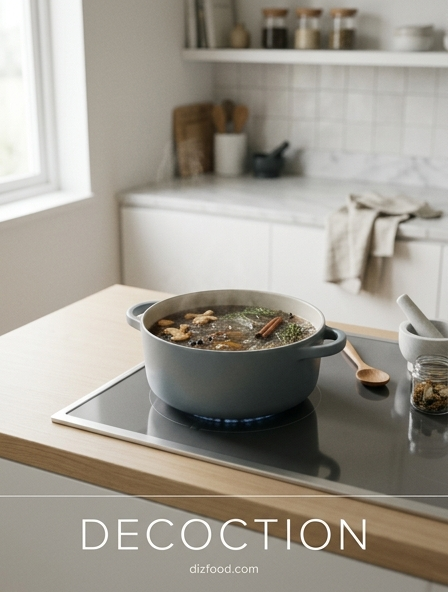
Decoction serves as the fundamental kitchen process for liberating essential minerals and stubborn compounds from the most resilient botanical materials. Unlike fragile tea leaves that respond to simple infusions, dense materials such as woody roots, nutrient-dense barks, and calcified seeds require a more aggressive approach to yield their nutritional profile. The process begins with the structural breakdown of the plant's cellular matrix, which acts as a vault for minerals like magnesium, calcium, and potassium. By maintaining a sustained simmer, the kitchen practitioner utilizes kinetic energy to agitate the water molecules, allowing them to penetrate deep into the lignin and cellulose structures.
Success in mineral extraction depends heavily on the preparation of the raw material. Increasing the surface area through fine chopping or bruising ensures that the solvent-typically filtered water-can interact with the maximum number of mineral deposits. This method transforms hard, dry botanical matter into a bioavailable liquid medium. The foundation of a potent decoction is not merely boiling, but a controlled thermal exchange that prioritizes the steady release of trace elements over several hours, ensuring a high-density mineral broth suitable for culinary or therapeutic applications.
Harnessing Heat for Deep Resin Solubility
Resins and oily oleoresins found in many culinary spices and medicinal barks pose a unique challenge in the kitchen because they are naturally hydrophobic. To harness these compounds, one must utilize precise heat application to lower the viscosity of the resins, allowing them to emulsify or suspend within the aqueous decoction. When the temperature of the liquid reaches a consistent simmer, the thermal energy begins to melt the internal resinous pockets, forcing them out of the botanical fibers and into the surrounding fluid. This phase is critical for capturing aromatic and bitter principles that define the flavor profile and potency of the extract.
A gentle rolling boil is often superior to a violent boil, as it prevents the volatile resins from evaporating too quickly or becoming scorched. The heat acts as a catalyst, weakening the chemical bonds that hold resins within the plant's glandular trichomes. As these resins solubilize, the liquid often takes on a cloudy or milky appearance, signaling the successful transition of hydrophobic compounds into the decoction. Consistent heat monitoring ensures that the resinous density remains high without degrading the delicate thermolabile compounds that provide the desired bioactive effects.
Optimal Brewing Parameters for Potency
Achieving maximum potency in a kitchen decoction requires a balance between time, temperature, and material ratios. Each botanical category demands a specific set of parameters to ensure that the extraction is complete without over-extracting bitter tannins or depleting the liquid through excessive evaporation. By adhering to standardized brewing metrics, the practitioner can produce consistent results that maximize the density of the extracted solutes.
| Material Type | Simmer Time | Ideal Temperature | Water-to-Herb Ratio |
|---|---|---|---|
| Soft Roots (Ginger) | 20-30 Minutes | 90°C - 95°C | 4:1 |
| Hard Barks (Cinnamon) | 45-60 Minutes | 95°C - 98°C | 6:1 |
| Dense Seeds (Burdock) | 30-45 Minutes | 92°C - 96°C | 5:1 |
| Woody Chunks (Chaga) | 2-4 Hours | 85°C - 90°C | 8:1 |
These parameters are guidelines for a standard kitchen setup using stainless steel or ceramic vessels. Adjustments should be made based on the specific dryness of the material and the altitude of the kitchen, as the boiling point of water fluctuates with atmospheric pressure, impacting the overall extraction rate.
Solvent Selection for Resinous Compounds
While water is the universal solvent for decoction, certain resinous compounds require a modified solvent profile to achieve total solubility. In a kitchen environment, the addition of specific household ingredients can significantly alter the polarity of the liquid, facilitating the extraction of compounds that water alone cannot touch. The choice of solvent influences not only the potency but also the flavor and shelf life of the resulting decoction.
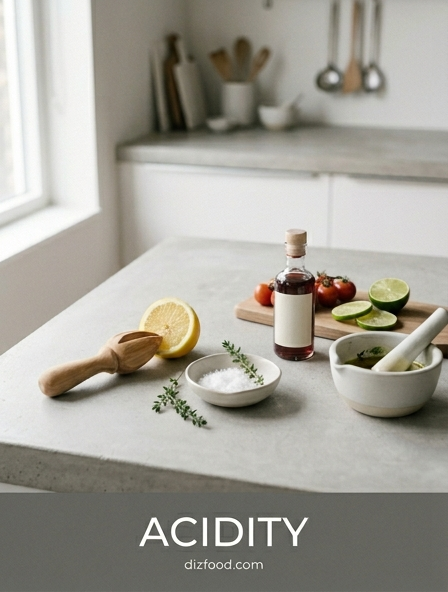
- Acidified Water: Adding lemon juice or apple cider vinegar lowers the pH, which aids in the breakdown of mineral salts and alkaloid extraction.
- Lipid-Enhanced Water: Incorporating a small amount of coconut oil or clarified butter helps capture fat-soluble resins and vitamins.
- Glycerin Addition: Adding vegetable glycerin can help stabilize the decoction and pull out sweet-tasting resins.
- Ethanol Spiking: A small percentage of high-proof alcohol added at the end of the process can help hold resins in suspension.
Selecting the correct solvent strategy allows the cook to target specific molecular groups, ensuring that the final decoction is a comprehensive representation of the plant's chemical profile. For highly resinous materials like frankincense or pine bark, a multi-solvent approach is often the most effective method for kitchen-scale production.
Advanced Kitchen Decoction Techniques
Moving beyond the simple simmer, advanced techniques allow for greater control over the final concentration and purity of the decoction. One such method is the "double decoction," where the material is processed twice-once with water and once with a different solvent-before the liquids are combined and reduced. This ensures that both water-soluble and non-water-soluble compounds are captured. Another technique is "fractional reduction," where the liquid is simmered down to a syrup-like consistency to increase the density of bioactive compounds per milliliter.
The use of a bain-marie or double boiler is also considered an advanced technique for sensitive botanicals that might burn or lose volatile oils when exposed to direct heat. This method provides a buffer, keeping the temperature just below the boiling point for extended periods. Agitation also plays a role; using a magnetic stirrer or frequent manual stirring prevents the "boundary layer" effect, where the water immediately surrounding the herb becomes saturated, slowing down further extraction. By constantly moving the solvent, the practitioner maintains a steep concentration gradient, forcing more minerals and resins into the liquid throughout the brewing cycle.
Bioavailability and Mineral Release
The primary goal of mineral decoction is to move inorganic minerals from a locked state within plant fibers into an ionic, bioavailable state. Bioavailability refers to the proportion of the mineral that enters the circulation when introduced into the body and is able to have an active effect. In the kitchen, this is achieved by mimicking the natural breakdown processes that occur over long periods in nature, but at an accelerated rate through heat. The sustained high temperature of a decoction denatures proteins and breaks down complex carbohydrates that often trap minerals.
To further enhance bioavailability, the "thermal shock" method can be used, where dried herbs are briefly toasted before being submerged in cold water and brought to a boil. This causes micro-fractures in the botanical cell walls, allowing for faster mineral release. Furthermore, the presence of organic acids in the decoction liquid can convert minerals into more easily absorbed chelates. This transformation is essential for minerals like iron and zinc, which are notoriously difficult for the digestive system to process in their raw, plant-bound forms. A well-executed decoction ensures that the minerals are not just present in the liquid, but are formatted for maximum absorption.
Maximizing Bioactive Resin Density
To achieve a high-density resin extract, one must manage the evaporation rate carefully. Bioactive resins are often the most potent part of the plant, but they are also the most likely to be lost if the decoction is handled improperly. Maximizing density involves a "closed-circuit" simmering process where a heavy lid or a distillation-style cover is used to capture steam. This steam, rich in volatile compounds, condenses and drips back into the pot, ensuring that the resins remain in the concentrate rather than escaping into the kitchen air.
As the decoction progresses, the liquid will naturally thicken. This increase in viscosity is a direct indicator of rising resin density. If the goal is a highly concentrated "thick extract," the heat should be reduced to a minimum once the liquid has reached half its original volume. This prevents the resins from polymerizing or sticking to the bottom of the vessel. The final product should have a dark, rich color and a noticeable "cling" to the side of the spoon. This density is the hallmark of a professional-grade kitchen decoction, providing a potent base for further culinary applications or concentrated tonics.
Pressure and Time in Potent Brewing
Pressure is a powerful variable that can drastically reduce the time required for a successful decoction while increasing the yield of deep-seated minerals. By using a pressure cooker or an autoclave in the kitchen, the boiling point of water is raised significantly above 100°C. This higher thermal energy, combined with the physical force of the pressure, drives the water molecules into the innermost layers of the botanical material, extracting compounds that would otherwise remain trapped during a standard atmospheric simmer.
A fifteen-minute decoction under high pressure can often equal the potency of a four-hour simmer on a traditional stovetop. However, this method requires caution, as excessive pressure can degrade delicate aromatic resins. The "pulsed pressure" technique, where the pressure is built up and then quickly released, can also be used to physically rupture the cell walls of tough roots. This mechanical stress, paired with the intense heat, ensures that even the most stubborn lignins are bypassed. This approach is particularly effective for extracting minerals from dense mushrooms like reishi or heavy barks like oak and cinchona, where traditional methods often fall short of complete extraction.
Targeting Deep Mineral Deposits in Botanicals
Deep mineral deposits are often located in the innermost pith or the most lignified sections of a root or branch. To target these specifically, the kitchen practitioner must employ a strategy of "sequential extraction." This involves an initial period of maceration, where the herbs soak in room-temperature water for several hours to soften the exterior, followed by a gradual increase in temperature. This tiered approach prevents the "locking" of the surface fibers that can occur if a dry herb is immediately plunged into boiling water, which would effectively seal the minerals inside.
Adding a pinch of sea salt can also aid in this process. The salt creates an osmotic gradient that helps draw internal fluids and minerals out of the plant cells. Furthermore, the use of mechanical force-such as crushing the herbs with a heavy pestle mid-way through the simmering process-can expose new layers of material to the solvent. By focusing on the structural anatomy of the botanical, the decoction process becomes a surgical extraction of specific nutrients. The resulting liquid will be exceptionally mineral-heavy, often featuring a distinct salty or metallic undertone that indicates the successful retrieval of deep-seated elements like manganese, selenium, and silica.
Evaluating Extraction Yield and Potency
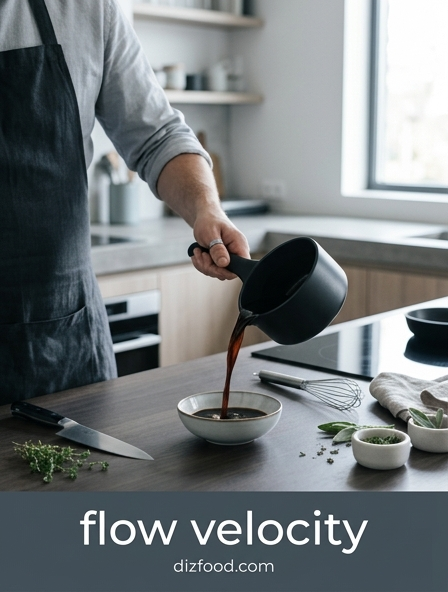
The final stage of any kitchen decoction is the evaluation of the liquid to determine the success of the extraction yield. Without lab equipment, the practitioner relies on sensory indicators and physical characteristics to judge potency. The first indicator is "optical density." A potent decoction should be nearly opaque; if light passes through it easily, the mineral and resin concentration is likely low. The second indicator is "rheology," or the way the liquid flows. A high-potency extract will have a slightly higher viscosity than water and may form "legs" on the side of a glass vessel.
Taste and residue also provide critical data. A strong bitterness or a deep, earthy flavor profile suggests a high resin and alkaloid count. Once the liquid has cooled, the presence of a fine sediment at the bottom-often called the "dregs"-is actually a positive sign of mineral saturation. These are often the heavier mineral salts that have precipitated out of the hot solution. By filtering these through a fine mesh or cloth, the cook can assess the total mass of the extracted solids. Consistency in these evaluations allows for the refinement of brewing times and ratios, ensuring that every subsequent batch of decoction reaches its maximum possible potency.

Comments