
When it comes to preserving the integrity of your ingredients, vacuum boiling stands out as a revolutionary method for health-conscious food processing. By reducing atmospheric pressure, this technique allows liquids to reach their boiling point at much lower temperatures than standard methods. This precise thermal control is vital because it prevents the degradation of heat-sensitive vitamins, minerals, and essential enzymes that are often destroyed in high-heat environments. As a result, you enjoy richer natural flavors and vibrant colors while maximizing the biological nutritional value of every meal. To understand the science further, discover the key differences between Vacuum Boiling vs Open Air Boiling.
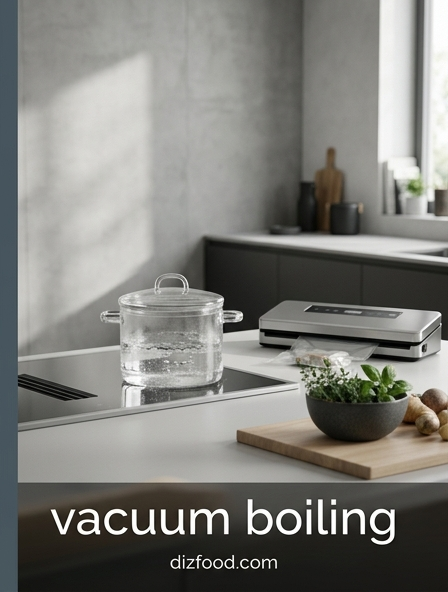
Understanding Low Pressure Cooking
Vacuum boiling is a sophisticated culinary technique that manipulates atmospheric pressure to alter the boiling point of liquids. In a standard kitchen environment at sea level, water boils at 100 degrees Celsius. However, by utilizing a vacuum pump to reduce the internal pressure within a sealed vessel, the boiling point can be significantly lowered, sometimes to as low as 40 or 50 degrees Celsius. This physical phenomenon allows for the rapid evaporation of water and the cooking of ingredients without the intense heat usually associated with traditional boiling methods.
- Pressure Reduction: Lowering the PSI inside the chamber forces molecules to transition to gas at lower thermal energy.
- Atmospheric Control: Creating a controlled environment independent of external weather or altitude.
- Phase Transition: Facilitating a liquid-to-vapor shift at temperatures that do not damage delicate organic structures.
This method is essential for modern gastronomy, providing chefs with the ability to concentrate flavors through evaporation while maintaining the raw integrity of the base product. Understanding the relationship between pressure and temperature is the first step in mastering this precision-based cooking style, which bridges the gap between laboratory science and gourmet preparation.
Preserving Heat Sensitive Vitamins
One of the primary advantages of vacuum boiling is its ability to safeguard the micronutrient profile of fresh produce. Many vitamins, particularly those that are water-soluble, are highly sensitive to thermal degradation. Traditional boiling often destroys these essential compounds, leaving the food nutritionally depleted. By operating at reduced temperatures, vacuum boiling ensures that these vital substances remain intact throughout the cooking process.
| Nutrient Type | Sensitivity | Vacuum Boiling Impact |
|---|---|---|
| Vitamin C | High Heat Sensitivity | Minimal loss due to low temp |
| Vitamin B12 | Medium Sensitivity | High retention levels |
| Folate | High Sensitivity | Protects against thermal breakdown |
The absence of extreme heat means that the molecular structure of these vitamins does not vibrate to the point of breaking. Consequently, the final dish serves as a much more potent source of nutrition. This makes vacuum boiling an ideal choice for health-conscious cooking, where the goal is to maximize the biological value of every ingredient served on the plate.
Reducing Nutrient Oxidation Risks
Oxidation is a chemical reaction that occurs when food is exposed to oxygen, often accelerated by heat. This process is responsible for the degradation of fats, the loss of vitamins, and the development of off-flavors. Vacuum boiling mitigates these risks by removing oxygen from the cooking environment before the heating process begins. In a vacuum-sealed chamber, the "airless" atmosphere prevents the oxidative stress that typically compromises the quality of boiled or steamed foods.
Without oxygen, the lipids and delicate oils found in fish and certain vegetables do not turn rancid. Furthermore, pigments and polyphenols, which are known for their antioxidant properties, are preserved rather than neutralized. This creates a dual benefit: the food remains chemically stable for a longer period, and the consumer receives the full spectrum of antioxidants intended by nature. By eliminating the atmospheric catalyst for decay, the vacuum process ensures that the transition from raw to cooked state does not involve the destructive intervention of oxygen molecules, resulting in a cleaner and more nutritious end product.
Maintaining Natural Food Colors
The visual appeal of food is largely determined by its natural pigments, such as chlorophyll in greens, carotenoids in oranges, and anthocyanins in purples. Traditional high-heat cooking often causes these pigments to break down or react, resulting in dull, brownish hues that are less appetizing. Vacuum boiling operates at temperatures low enough to keep these pigments stable, ensuring that vegetables retain their vibrant, "just-picked" appearance even after they are fully cooked.
- Chlorophyll Preservation: Prevents the magnesium atom from being displaced, keeping greens bright.
- Anthocyanin Stability: Maintains deep reds and purples by avoiding high-temperature pH shifts.
- Carotenoid Retention: Keeps yellows and oranges vivid through reduced thermal agitation.
This retention of color is not merely aesthetic; it is often an indicator of the chemical health of the plant. A bright green broccoli floret cooked under vacuum typically contains more active nutrients than a greyish, over-boiled one. By utilizing low-pressure environments, chefs can produce dishes that are as visually stunning as they are healthful, eliminating the need for artificial color enhancers or aggressive blanching techniques.
Enhanced Flavor Profile Retention
In traditional boiling, many of the volatile compounds responsible for a food's unique aroma and flavor escape into the air with the steam. Vacuum boiling changes this dynamic by containing these elements within a closed system and boiling at temperatures that do not cause the same level of volatile loss. Because the water boils at a lower temperature, the delicate esters and aromatics are not "cooked out" of the ingredient.
- Concentration: Water can be removed at low heat to thicken sauces without altering the flavor of the base fruit or vegetable.
- Infusion: The low-pressure environment allows flavors to penetrate deeper into the cellular structure of the food.
- Aromatic Locking: Essential oils remain trapped within the liquid or the food itself rather than evaporating into the kitchen.
The result is a finished product with an intense, pure flavor that reflects the true essence of the ingredient. This is particularly noticeable with delicate items like berries, herbs, and shellfish, where the subtle nuances are often lost in conventional high-heat preparations. Vacuum boiling allows these flavors to take center stage.
Lower Temperature Cooking Benefits
Operating at lower temperatures offers several systemic benefits beyond nutrient density. It provides a level of control that is impossible with rolling boils at 100 degrees. When cooking at 55 or 60 degrees Celsius under vacuum, the window of perfection is much wider, significantly reducing the risk of overcooking. This gentleness is particularly beneficial for protein-rich foods, as it prevents the tight coiling of muscle fibers that leads to toughness.
Furthermore, lower temperature cooking is more energy-efficient in the long run when integrated into industrial kitchen workflows. While the initial vacuum pull requires energy, maintaining a low-boil state requires less thermal input than maintaining a traditional boil. It also creates a safer working environment, as the risk of severe steam burns is greatly reduced. The precision afforded by these lower thresholds allows for the development of textures-such as "melt-in-the-mouth" root vegetables-that are simply unattainable through conventional thermal methods. This shift toward cooler cooking represents a major evolution in how we treat ingredients at a molecular level.
Protecting Essential Food Enzymes
Enzymes are functional proteins that facilitate biochemical reactions within the body, and many are found naturally in raw foods. Most enzymes begin to denature and lose their functionality at temperatures exceeding 47 to 50 degrees Celsius. Traditional cooking methods almost universally destroy these enzymes. Vacuum boiling, however, can be calibrated to stay below these critical thresholds, allowing for a "cooked" texture while keeping the biological machinery of the food active.
| Enzyme Type | Function | Survival Threshold |
|---|---|---|
| Protease | Breaks down proteins | Approx. 50°C |
| Amylase | Breaks down starches | Approx. 60°C |
| Lipase | Breaks down fats | Approx. 45°C |
By protecting these enzymes, vacuum-boiled food can actually assist in the digestive process. This is a cornerstone of "living food" diets, where the goal is to consume nutrients in their most bioavailable form. Utilizing vacuum technology allows professional kitchens to serve dishes that support metabolic health without sacrificing the palatability and safety of warm, processed meals.
Superior Texture Preservation Techniques
The texture of vegetables and fruits is determined by the strength of their cell walls and the turgor pressure within. High-heat boiling causes these cell walls to rupture violently, leading to a mushy and waterlogged consistency. Vacuum boiling is much less traumatic to the cellular structure. Because the transition of water to vapor is achieved through pressure rather than aggressive heat, the structural integrity of the plant tissue remains largely intact.
- Cell Wall Maintenance: Pectin chains stay stronger at lower temperatures.
- Uniform Doneness: Heat penetrates evenly without over-processing the exterior layers.
- Hydration Control: Prevents the "leaking" of internal juices that leads to shriveling.
This technique is particularly effective for delicate seafood and fibrous vegetables like white asparagus or artichokes. The food retains a pleasant "snap" or a creamy, consistent interior that feels luxurious on the palate. By manipulating the physical environment rather than just increasing the heat, chefs can achieve a level of textural precision that defines high-end modern cuisine.
Vacuum Boiling vs Traditional Methods
The differences between vacuum boiling and traditional boiling are rooted in the laws of thermodynamics and chemistry. Traditional boiling is a blunt instrument, relying on high heat to force changes in food, often at the cost of quality. Vacuum boiling is a surgical approach, using physics to achieve the same state of "doneness" with far less collateral damage to the ingredient's integrity. While traditional methods are faster for simple tasks, they cannot compete with the precision of a vacuum system.
| Feature | Traditional Boiling | Vacuum Boiling |
|---|---|---|
| Boiling Point | 100°C (Fixed) | Variable (40°C - 90°C) |
| Oxygen Exposure | High | None to Minimal |
| Flavor Loss | Significant (via steam) | Minimal (contained) |
| Texture | Often Soft/Mushy | Firm/Consistent |
Ultimately, the choice between these methods depends on the desired outcome. For high-volume, basic preparation, traditional boiling remains the standard. However, for applications where nutritional density, vibrant color, and intense flavor are paramount, vacuum boiling is the superior technological choice for the modern kitchen.
Maximizing Nutritional Value Today
In the contemporary culinary landscape, the focus has shifted from mere caloric intake to the maximization of nutritional density. Consumers are increasingly aware of how cooking methods affect the health benefits of their meals. Vacuum boiling stands at the forefront of this movement, offering a way to prepare food that aligns with modern wellness goals. By integrating this technology, kitchens can provide meals that are not only delicious but also biologically superior.
- Ingredient Selection: Use high-quality, organic produce to get the most out of the vacuum process.
- Temperature Calibration: Precisely set the vacuum level to match the specific thermal needs of the ingredient.
- Immediate Service: To further preserve nutrients, serve vacuum-boiled items immediately after the cycle ends.
As kitchen equipment becomes more accessible, vacuum boiling is moving from high-end laboratories into mainstream professional kitchens. It represents a commitment to quality that respects the raw material. By minimizing the destructive forces of heat and oxygen, we can unlock the true potential of our food, ensuring that every bite is as nourishing as possible in an increasingly health-conscious world.

Comments