
Understanding Osmosis in the Kitchen
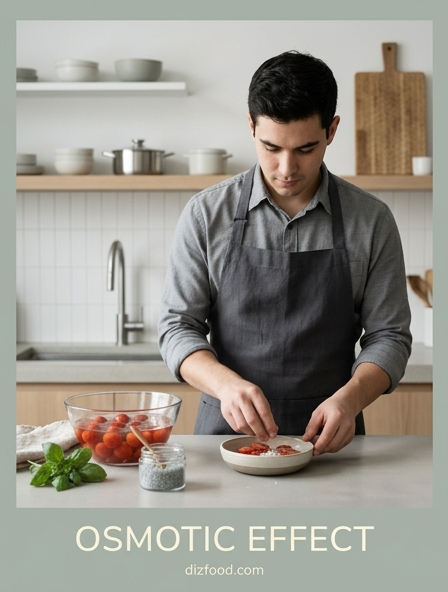
Osmosis is a fundamental physical process in the culinary arts, defined as the movement of water molecules through a semi-permeable membrane from an area of low solute concentration to one of high solute concentration. In the kitchen, this membrane is typically the cell wall of a vegetable, fruit, or animal protein. When a chef sprinkles salt on a sliced eggplant, they are initiating an osmotic reaction. Because the salt concentration is higher on the exterior of the vegetable, internal water is drawn out to balance the levels, resulting in the "sweating" phenomenon.
This movement of moisture is critical for controlling the behavior of ingredients during cooking. It influences everything from the crispness of a salad to the succulence of a roasted turkey. Understanding this mechanism allows a cook to manipulate the physical state of food before heat is even applied. By managing the placement and concentration of solutes like salt and sugar, one can effectively move water into or out of cells, altering the density, weight, and flavor profile of the raw ingredient through hydration or dehydration.
The Science of Flavor Diffusion
While osmosis refers specifically to the movement of water, diffusion involves the movement of flavor molecules and solutes themselves. In the kitchen, these two processes work in tandem to distribute seasoning. When an ingredient is submerged in a marinade, a concentration gradient is established. Salt molecules, being small, penetrate the cellular structure relatively quickly via diffusion, while water may move in the opposite direction due to osmosis.
This interplay determines how deeply a seasoning will penetrate a given food item. Several factors influence the rate and efficiency of flavor diffusion:
- Temperature: Higher temperatures increase molecular kinetic energy, speeding up diffusion.
- Solute Size: Smaller ions like sodium move faster than complex sugar molecules or large aromatic compounds.
- Surface Area: Scoring meat or dicing vegetables increases the contact points for diffusion to occur.
- Concentration: A higher delta between the brine and the food accelerates the initial movement of solutes.
By mastering these variables, chefs can ensure that flavors are not merely topical but are integrated throughout the entire structure of the dish.
Cellular Transformation During Boiling
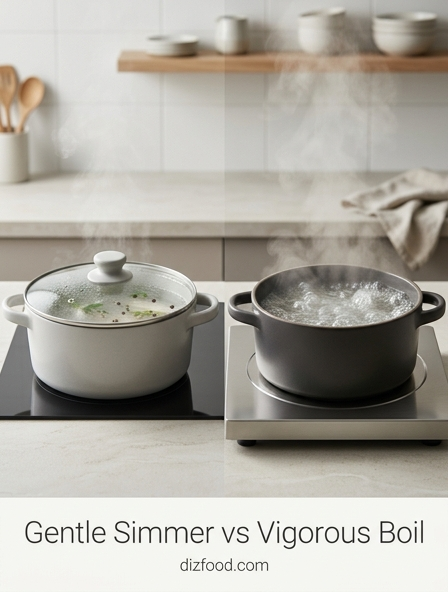
Boiling is more than a simple heating process; it is a violent period of cellular transformation driven by heat and osmotic pressure. When vegetables are placed in boiling water, the heat begins to break down the pectin that holds cell walls together. Simultaneously, if the water is unsalted, osmosis causes water to rush into the cells, increasing internal pressure until the cell walls rupture. This often leads to a mushy texture and a loss of structural integrity.
Conversely, when boiling in a salted environment, the osmotic pressure is balanced. The starch granules within the food absorb water and gelatinize, but the cell walls remain more intact. The following table illustrates the typical cellular changes during the boiling process:
| Stage | Physical Change | Osmotic Result |
|---|---|---|
| Initial Submersion | Starch Swelling | Water intake begins |
| Mid-Boil | Pectin Degradation | Cell walls soften |
| Final Stage | Full Gelatinization | Equilibrium reached |
Salt Concentration and Moisture Retention
Salt concentration is the primary lever a chef pulls to control moisture retention through osmosis. When meat is placed in a brine (a solution of water and salt), a specific sequence of events occurs. Initially, the high salt concentration outside the meat draws some moisture out. However, as the salt diffuses into the muscle fibers, it causes the protein filaments-specifically myosin-to partially denature and unfold. This creates a matrix that can trap and hold more water than the protein could in its natural state.
Once the proteins have shifted, the osmotic gradient actually reverses or stabilizes, allowing the meat to reabsorb the salty water. This results in a cooked product that is significantly juicier. This technique is particularly effective for "lean" proteins that are prone to drying out, such as chicken breast or pork loin. The ideal salt concentration for a standard wet brine typically ranges between 3% and 6% by weight, providing enough solute to trigger protein transformation without making the food unpalatably salty or destroying the delicate texture of the fibers.
Enhancing Ingredient Texture via Osmosis
Osmosis can be used as a precision tool to modify the texture of ingredients, making them firmer, crunchier, or more pliable. For example, soaking wilted greens or sliced carrots in ice-cold, pure water uses osmosis to "reinflate" the cells. The water moves into the low-solute environment of the plant cells, increasing turgor pressure and restoring a crisp snap. This is a common kitchen "revival" technique for produce that has lost moisture in the refrigerator.
In contrast, chefs often use high-solute environments to firm up the texture of proteins like fish. By "dry-curing" a fillet with a mixture of salt and sugar for a short period, water is drawn out, tightening the protein structure. This makes the fish easier to slice thinly for sashimi or prevents it from flaking apart too aggressively during a high-heat sear. Controlling the duration of this osmotic exposure is key; a short duration yields a subtle firming, while a long duration leads to the dense, chewy texture characteristic of cured gravlax or jerky.
The Role of Solutes in Seasoning
In the context of osmosis, not all solutes are created equal. The molecular weight and ionic charge of a substance dictate how it interacts with the moisture in food. Salt (sodium chloride) is the most powerful osmotic agent because it dissociates into small ions that easily penetrate membranes. Sugar (sucrose) has a much larger molecular structure; while it still exerts osmotic pressure and draws moisture out, it does not penetrate as deeply or as quickly as salt.
The choice of solute impacts the final weight and mouthfeel of the ingredient. Consider the following common culinary solutes and their primary roles in osmotic seasoning:
- Salt: Rapid moisture extraction and protein denaturation; deep penetration.
- Sugar: Slower moisture extraction; used primarily for macerating fruits to create syrups.
- Nitrates/Nitrites: Used in curing to inhibit bacterial growth while affecting color and texture.
- Acids: While not a primary osmotic solute, they alter the permeability of cell walls, assisting the osmotic flow.
Effective seasoning requires balancing these solutes to achieve the desired flavor profile while managing the physical movement of water within the dish.
Achieving Flavor Equilibrium in Boiling Water
Flavor equilibrium is the state where the concentration of solutes inside the food matches the concentration in the surrounding liquid. When boiling pasta or potatoes, the goal is often to reach this equilibrium to ensure the food is seasoned from within. If the cooking water is under-salted, the natural salts and sugars inside the food will leach out into the water via diffusion, leaving the ingredient tasting bland and "washed out."
By heavily salting the boiling water-often described as making it "taste like the sea"-the chef creates an environment where the solutes move into the food. For starches like pasta, this is the only opportunity to season the interior of the noodle. As the starch granules swell and absorb water, they carry the salt with them, locking in flavor. Achieving this balance prevents the osmotic loss of internal nutrients and flavor compounds, ensuring that the primary ingredient retains its character while gaining the necessary seasoning to enhance its natural profile during the brief cooking window.
Impact on Protein Structure and Tenderness
The osmotic effect plays a transformative role in the tenderness of meat. When salt is applied to meat, it doesn't just sit on the surface; it migrates inward, interacting with the complex protein structure. This interaction leads to the "salting-in" effect, where low concentrations of salt increase the solubility of proteins. As the proteins become more soluble, they can hold more water, which directly translates to tenderness upon cooking.
Furthermore, the osmotic movement of water can help break down connective tissues over time. In long-term brining or marinating, the shifts in moisture and salt concentration help to weaken the bonds in collagen. When heat is eventually applied, this pre-weakened structure converts to gelatin more efficiently. The result is a dual benefit: the muscle fibers are hydrated and plumped by the osmotic intake of brine, and the overall structure is softened, leading to a superior "melt-in-the-mouth" quality that cannot be achieved through heat alone. This highlights why pre-salting or brining is a non-negotiable step for many professional chefs when preparing large roasts or tough cuts.
Maximizing Nutrient Retention and Taste
One of the challenges in cooking is preventing the loss of water-soluble vitamins and minerals. Because of osmosis and diffusion, boiling vegetables in a large pot of unsalted water is an efficient way to strip them of their nutritional value. The vitamins (specifically B-complex and C) and minerals move from the high-concentration environment of the vegetable cells to the low-concentration environment of the pot water.
To maximize retention, chefs employ several strategies based on osmotic principles:
- Blanching in Salted Water: The salt helps maintain the integrity of the cell walls and reduces the leaching of internal solutes.
- Steaming: By avoiding submersion, the osmotic gradient is minimized, as there is no surrounding liquid to draw out nutrients.
- Shocking: Immediately placing cooked vegetables in ice water stops the cooking and prevents further cellular breakdown, locking in the remaining nutrients and vibrant color.
By understanding that water wants to move toward solutes, cooks can better design their processes to keep the "good stuff" inside the food rather than letting it go down the drain with the cooking water.
Advanced Techniques for Osmotic Seasoning
Modernist cuisine has pushed the boundaries of osmotic seasoning using technology to accelerate or intensify the process. One such technique is vacuum-compression. By placing fruit or vegetables in a vacuum bag with a liquid (like a flavored syrup or juice) and removing the air, the internal gas pockets in the plant tissue collapse. When the vacuum is released, the surrounding liquid is forced into the cellular voids almost instantaneously through a forced osmotic-like shift, changing the appearance of the food to look translucent and intensifying its flavor.
Another advanced method is cryo-maceration, where ingredients are frozen before being subjected to osmotic solutes. The freezing process creates ice crystals that puncture cell walls; once thawed in a high-solute environment, the "damaged" cells absorb flavors and release juices much more rapidly than fresh cells would. These techniques allow chefs to create "compressed" melons that taste like concentrated mojitos or cucumbers that have the texture of cooked squash while remaining raw, demonstrating the profound control that osmotic principles grant over the modern plate.

Comments