
Mastering Batch Boiling for Maximum Efficiency
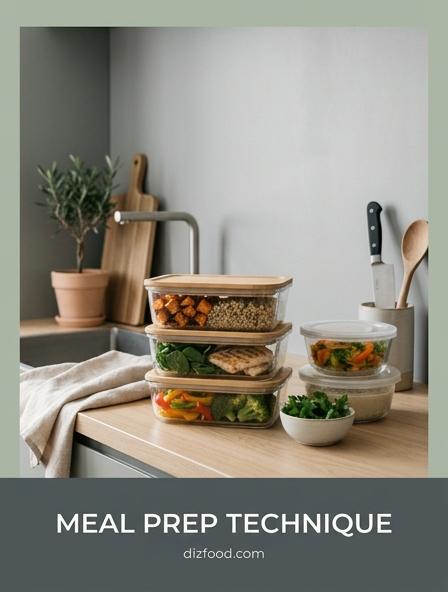
Batch boiling serves as the cornerstone of professional meal preparation, allowing home cooks to transform several hours of weekly cooking into a singular, focused session. This technique involves utilizing large stockpots to prepare voluminous quantities of versatile staples like grains, legumes, and hearty root vegetables. By centralizing the boiling process, you minimize the repetitive tasks of heating water and cleaning multiple pots throughout the week. The primary advantage is the creation of a "pantry" of ready-to-use ingredients that can be quickly assembled into diverse meals.
- Large-scale pasta preparation for salads or quick bakes.
- Boiling dozens of eggs for high-protein snacks and breakfasts.
- Preparing bulk quantities of quinoa, farro, or brown rice.
- Softening potatoes and carrots for mashing or roasting later.
Efficiency is further enhanced by understanding which ingredients share similar cook times. For instance, boiling a large pot of water once to cook several rounds of different vegetables reduces energy consumption and kitchen heat. This organized approach ensures that the most time-consuming elements of meal assembly are already completed, providing a reliable foundation for healthy eating even on the busiest weekdays.
The Role of Strategic Prepping in Modern Kitchens
In the contemporary fast-paced lifestyle, strategic prepping has transitioned from a culinary luxury to a functional necessity. Modern kitchens are often limited by time rather than space, necessitating a shift toward systems that prioritize speed without sacrificing nutritional quality. Strategic prepping involves analyzing the upcoming week's menu and identifying overlapping ingredients that can be processed simultaneously. This proactive mindset reduces decision fatigue, as the fundamental components of every dinner are already staged and ready for final integration.
Beyond time management, strategic prepping fosters a more sustainable kitchen environment. By preparing ingredients in bulk, cooks can purchase larger, more economical quantities of produce and grains, significantly reducing packaging waste. This method also minimizes food spoilage; when vegetables are cleaned and par-boiled ahead of time, they are far more likely to be consumed before they lose their freshness. Ultimately, the modern kitchen functions best when it operates like a professional line station, where every component is prepped and positioned for seamless execution during the final cooking stages.
Streamlining Workflows with Targeted Boiling Techniques
To truly streamline a kitchen workflow, one must master targeted boiling techniques that cater to the specific textural requirements of different ingredients. Not all boiling is created equal; understanding the nuances between a gentle simmer and a rolling boil can drastically change the efficiency and quality of prepped food. By utilizing specific temperatures for specific tasks, a cook can ensure that every item in the meal prep container maintains its structural integrity and flavor profile over several days of storage.
| Technique | Ideal Ingredients | Preparation Goal |
|---|---|---|
| Hard Boil | Eggs, Pasta, Potatoes | Total structural change |
| Simmer | Legumes, Tough Meats | Gentle softening |
| Blanching | Green Veggies, Herbs | Color and snap retention |
By mapping out the boiling sequence, a cook can reuse the same water for multiple ingredients, starting with the mildest flavors-like potatoes-and moving toward stronger items like broccoli. This "succession boiling" saves significant time spent waiting for fresh pots of water to reach a boil, thereby tightening the overall production timeline and reducing water waste.
How Strategic Meal Prep Reduces Weekly Cooking Time
The primary barrier to consistent healthy eating is often the time required to cook from scratch every evening. Strategic meal prep solves this by front-loading the most labor-intensive tasks. When you dedicate a two-hour window on a Sunday to boiling and portioning, you effectively eliminate thirty to forty-five minutes of active work each subsequent night. This shift allows the midweek cooking process to focus entirely on assembly, seasoning, and final heating, which can usually be accomplished in under fifteen minutes.
- Identify core grains and proteins that require long boiling times.
- Execute all boiling tasks in a single session to minimize cleanup.
- Portion prepped items into clear, stackable containers for easy access.
- Label containers with dates to ensure optimal freshness and rotation.
This systematic reduction in daily labor also lowers the mental barrier to cooking. When the heavy lifting of boiling pasta or prepping tubers is finished, the prospect of making a meal feels manageable even after a long workday. Consequently, strategic prep leads to fewer instances of ordering takeout and more control over individual dietary goals.
Optimizing Kitchen Output Through Parallel Boiling Tasks
Optimizing kitchen output requires a shift from linear cooking to parallel processing. In a linear model, a cook might boil water for eggs, finish them, and then start a new pot for pasta. In a parallel model, every burner on the stove is utilized to handle different boiling requirements simultaneously. This approach demands a high level of organization but yields a massive increase in productivity per hour. By managing multiple pots at once, you can synchronize the finish times of various meal components, ensuring that everything is ready to be cooled and stored at the same moment.
Effective parallel boiling relies on the use of timers and clear labeling. Managing a pot of delicate greens alongside a pot of dense beets requires constant vigilance. However, the reward is a fully stocked refrigerator in a fraction of the time. This method also encourages the cook to stay in the kitchen zone, focusing entirely on the task at hand rather than drifting between rooms. The result is a highly productive environment where the stove becomes an engine of efficiency, churning out a week's worth of foundational ingredients in one coordinated effort.
The Science of Efficient Heat Management in Meal Prep
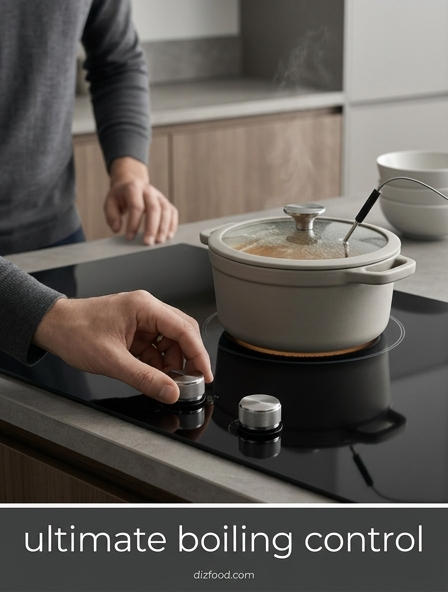
Heat management is the scientific backbone of efficient meal prep. Understanding how thermal energy interacts with water and food allows for faster cook times and better energy conservation. For example, keeping a lid on the pot until the water reaches a boil can reduce the time and energy required by up to twenty percent. Additionally, using the correct volume of water for the specific mass of food ensures that the temperature does not drop too drastically when ingredients are added, which prevents the food from becoming soggy or waterlogged.
- Use wide-bottomed pots to increase surface area for faster heating.
- Incorporate salt early to slightly raise the boiling point and season food deeply.
- Utilize residual heat by turning off the stove minutes before the food is fully cooked.
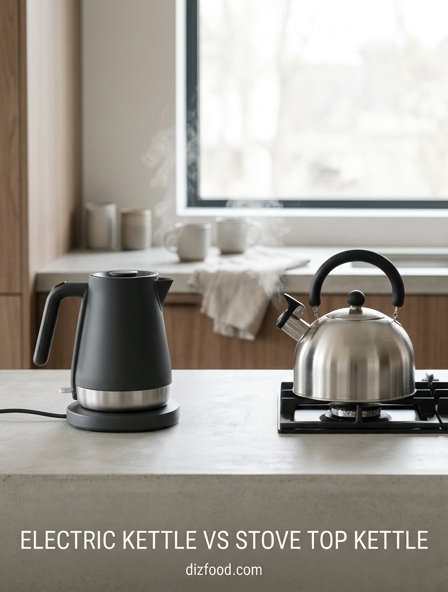
- Keep a kettle of boiling water ready to top off pots without losing temperature.
Mastering these thermal principles allows the cook to manipulate textures with precision. Efficient heat management ensures that heat is distributed evenly, preventing the outer layers of a vegetable from overcooking while the center remains raw. This scientific approach elevates meal prep from simple food storage to a disciplined culinary practice that guarantees high-quality results every time.
Essential Boiling Methods for Faster Healthy Meals
Rapid meal preparation hinges on specific boiling methods designed to preserve the nutritional value of food while minimizing cooking duration. Blanching and parboiling are the two most essential techniques in this regard. Blanching involves a very brief submersion in boiling water followed by an immediate ice bath, which stops the cooking process and locks in vibrant colors and crisp textures. This is ideal for greens like asparagus or green beans that will be tossed into salads or lightly sautéed later in the week.
Parboiling, on the other hand, involves partially cooking denser foods-like sweet potatoes or carrots-so they can be finished quickly via another method, such as roasting or stir-frying. By parboiling these items during your prep session, you reduce their final cook time by more than half. This ensures that even "slow-cook" vegetables can be part of a quick Tuesday night dinner. Together, these methods form a toolkit for the health-conscious cook, allowing for the inclusion of a wide variety of fresh produce in the weekly diet without the burden of long daily preparation times.
Eliminating Kitchen Chaos with Organized Prep Strategies
The difference between a successful meal prep session and a chaotic one lies in organization. Without a clear plan, the kitchen quickly becomes a mess of half-filled pots and cluttered countertops. Organized prep starts with a clean workspace and a detailed list of what needs to be boiled and in what order. By grouping tasks and preparing your "mise en place" before the first pot hits the stove, you create a calm, controlled environment that facilitates faster work and fewer mistakes.
- Clear all non-essential items from the countertops to maximize space.
- Gather all ingredients and pre-wash vegetables before starting any boiling.
- Set up a dedicated cooling station with wire racks or ice baths.
- Clean as you go to prevent the buildup of dishes at the end of the session.
A structured environment allows you to focus on the timing of your boiling tasks. When you are not hunting for a strainer or a container, you can react instantly when a pot reaches its peak. This level of organization transforms meal prep from a chore into a therapeutic ritual, resulting in a cleaner kitchen and a more prepared household.
Maximizing Nutrient Retention and Speed via Strategic Boiling
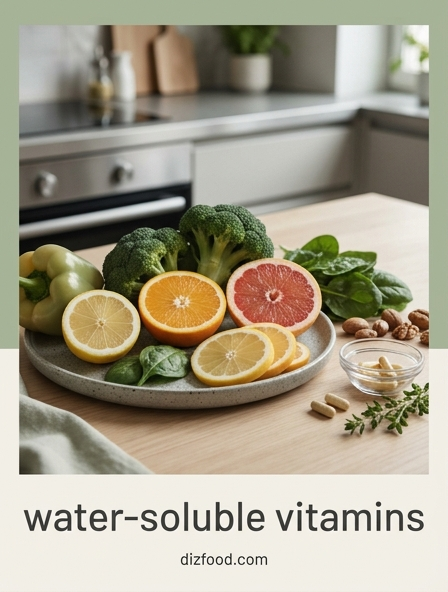
A common concern with boiling is the potential loss of water-soluble vitamins. However, strategic boiling techniques can actually help retain nutrients while maintaining high speeds. The key is to use minimal water and precise timing. By reducing the surface area of the food exposed to water and ensuring the water is at a full boil before adding ingredients, you seal the exterior of the food more quickly, trapping nutrients inside. Furthermore, reusing boiling water for multiple items not only saves time but can also create a light vegetable stock that can be used for later recipes.
| Vegetable | Boil Time | Nutrient Focus |
|---|---|---|
| Broccoli | 3 Minutes | Vitamin C & K |
| Spinach | 1 Minute | Iron & Folate |
| Carrots | 5 Minutes | Beta-Carotene |
Utilizing the water from boiled vegetables as a base for soups or for cooking grains ensures that any nutrients leached into the water are eventually consumed rather than poured down the drain. This holistic approach to boiling maximizes the health benefits of your meal prep while keeping the process moving at a professional pace.
Advanced Meal Prep Techniques for Peak Kitchen Productivity
For those looking to reach the pinnacle of kitchen productivity, advanced meal prep involves integrating boiling with rapid cooling and vacuum storage. The "shocking" technique-moving boiled food immediately into an ice-water bath-is vital for halting the internal carry-over heat that leads to mushy vegetables. This step is non-negotiable for anyone who wants their meal-prepped broccoli to taste as fresh on Thursday as it did on Sunday. Once cooled, patting ingredients dry before storage prevents bacterial growth and maintains texture.
Another advanced strategy is the "staggered drop" method, where ingredients with different cook times are added to the same pot at specific intervals. For example, you might start a pot of pasta, and in the final three minutes, drop in frozen peas or fresh kale. This allows you to cook an entire base for a meal in a single vessel. When combined with organized storage systems and high-quality containers, these techniques ensure that your kitchen operates at peak efficiency. The result is a streamlined, professional-grade food production system within the comfort of your own home, saving you hours of labor every week.

Comments