
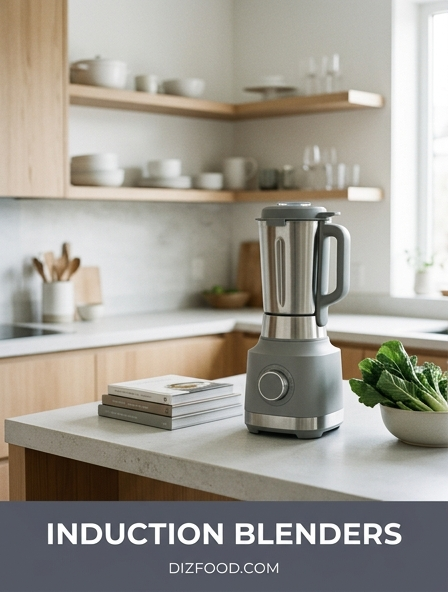
Mastering Induction Temperature Control
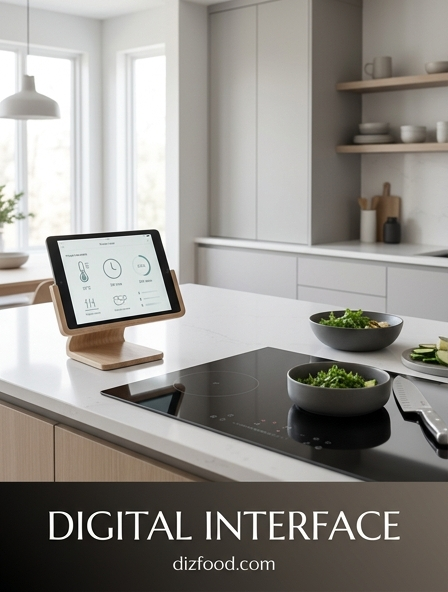
Mastering the thermal capabilities of an induction blender requires understanding the responsiveness of electromagnetic energy. Unlike traditional heating elements that rely on thermal conduction from a burner to a vessel, induction heating occurs directly within the base of the blender jar. This allows for instantaneous temperature adjustments, moving from a cold state to a precise simmer in seconds. Users must calibrate their approach to utilize the digital interface, which typically offers one-degree increments of control.
To achieve the best results, users should familiarize themselves with the specific thermal zones of their equipment. Precision is the primary advantage here, as the lack of residual heat prevents the "carry-over" cooking common in gas or electric setups. Below is a reference for common temperature settings:
| Setting Type | Temperature Range | Culinary Application |
|---|---|---|
| Low Heat | 30°C - 50°C | Proofing yeast, melting chocolate |
| Medium Heat | 60°C - 85°C | Custards, poaching, emulsifying |
| High Heat | 90°C - 100°C+ | Boiling, sautéing, reducing |
The Science of Magnetic Heat Transfer
The core of induction blender technology lies in the physics of electromagnetism. Underneath the blender's pitcher sits a copper coil that carries an alternating current. This current creates a dynamic magnetic field that penetrates the ferrous metal plate integrated into the bottom of the blender jar. As the magnetic field fluctuates, it induces "eddy currents" within the metal. The resistance encountered by these currents generates heat directly in the vessel itself, rather than heating the air or the blender base.
This process is exceptionally efficient, often exceeding 90% energy transfer, which is significantly higher than traditional stovetop methods. Because the heat is generated internally, the exterior surfaces of the machine remain relatively cool to the touch, enhancing kitchen safety. Furthermore, the molecular friction caused by these magnetic cycles provides a uniform heat distribution across the base, eliminating the hot spots that often lead to scorched ingredients or unevenly cooked purees in high-speed blending environments.
Perfecting the Low Temperature Simmer
Low-temperature simmering is where induction blenders truly outperform conventional stovetop methods. Maintaining a consistent temperature just below the boiling point is essential for delicate tasks like infusing oils or preparing clarifyed butter. The digital sensors in induction units constantly monitor the temperature of the contents, cycling the magnetic field on and off to maintain a flat-line thermal profile. This prevents the cyclical "ebbing and flowing" of heat that can break emulsions or curdle proteins.
When perfecting your simmer, consider the following benefits of induction precision:
- Minimal evaporation due to controlled, non-aggressive surface agitation.
- Zero risk of scorching at the bottom of the jar, even with thick viscous fluids.
- The ability to set timers that automatically shut off the heat, preventing over-reduction.
- Constant blade rotation options that keep solids in suspension during the heating process.
This level of control ensures that aromatics can steep for extended periods without losing their volatile oils to excessive heat, resulting in more potent and flavorful extractions.
Sautéing with Digital Thermal Accuracy
While blenders are traditionally used for liquids, induction-equipped models allow for high-temperature sautéing of aromatics directly in the jar. This "one-vessel" workflow is revolutionary for soup making. By setting the blender to a high thermal output, users can brown onions, garlic, and mirepoix using minimal oil. The digital accuracy ensures that the temperature remains high enough for the Maillard reaction to occur, without exceeding the smoke point of the fats being used.
The interaction between the heat and the blade speed is crucial during this phase. Using a very low "stir" setting allows the ingredients to move across the hot base, mimicking the action of a chef tossing a pan. This prevents localized burning and ensures that every piece of vegetable is evenly caramelized. Once the sauté phase is complete, the user can immediately transition to adding liquids and increasing blade speed for a seamless transition from solid aromatics to a fully emulsified, hot puree.
Induction Compatible Cookware Essentials
Not all materials are suitable for induction heating, and this applies strictly to the jars used with induction blenders. The base of the blender jar must contain ferromagnetic material to interact with the magnetic field. While many professional blenders use high-strength plastic or glass, induction models feature a composite base with an integrated stainless steel or iron plate. If the vessel lacks this magnetic signature, the sensors will fail to detect the jar and the heating element will not engage.
When selecting or maintaining your induction blender components, keep these material requirements in mind:
- Stainless Steel: The most common material for induction-ready blender jars, offering durability and high magnetic permeability.
- Cast Iron: Rarely used for the entire jar but often utilized in the heavy-duty base plates for superior heat retention.
- Clad Bottoms: Many jars use layers of aluminum for heat distribution sandwiched between layers of magnetic steel for induction compatibility.
Users should always verify compatibility by checking for the induction symbol or using a simple magnet test on the bottom of the jar; if the magnet sticks firmly, the vessel is induction-ready.
Transitioning from Blending to Simmering
The transition from mechanical blending to thermal simmering represents the ultimate efficiency in the modern kitchen. Traditional methods require a blender to break down ingredients and a separate pot to cook them. With induction blending, these two distinct culinary steps are merged into a continuous process. After the initial high-speed pulverization of ingredients, the user can instantly engage the heating function to begin the cooking or reduction process without transferring the mixture.
This workflow minimizes the loss of volume and preserves the integrity of the flavors. For example, when making a tomato bisque, the seeds and skins can be pulverized at high RPMs, followed immediately by a 20-minute simmer to develop the sugars. Because the vessel is already sealed, the heat is retained more effectively than in an open pot. This enclosed environment also allows for pressure-assisted simmering in some advanced models, further accelerating the extraction of flavors while maintaining a perfectly smooth texture throughout the heating cycle.
Consistent Results with Precise Wattage
The power output of an induction blender is measured in wattage, which directly correlates to how quickly the unit can reach its target temperature. High-wattage induction units (ranging from 1000W to 1500W) provide the "torque" necessary to heat cold ingredients to a boil rapidly. Consistency is achieved through Pulse Width Modulation (PWM), a technology that modulates the power to ensure the temperature does not overshoot the target. This prevents the common frustration of "boil-overs" in the blender jar.
By understanding the wattage, chefs can predict exactly how long a recipe will take to reach a specific state. Consistency across batches is guaranteed because the induction field is not affected by external factors like ambient kitchen temperature or drafts, which often plague gas ranges. Whether you are tempering chocolate at 32°C or reducing a balsamic glaze at 105°C, the wattage control ensures that the energy input is identical every time, making it a favorite for professional kitchens requiring strict standardization of their sauce and soup programs.
Maintaining Delicate Sauce Temperatures
Delicate sauces such as Hollandaise, Béarnaise, or Crème Anglaise require precise heat management to prevent the eggs from scrambling. The induction blender is the ideal tool for these preparations because it combines constant, high-shear agitation with a stable, low-heat environment. By setting the induction temperature to exactly 65°C, the proteins in the egg yolks can denature and thicken the sauce without ever reaching the coagulation point that causes curdling.
The continuous motion of the blender blades ensures that the sauce is perfectly emulsified while it cooks. This eliminates the need for a traditional bain-marie or constant manual whisking. Furthermore, the thermal sensors provide a feedback loop to the induction coil; if the friction from the blades begins to add unwanted heat to the mixture, the induction system will automatically scale back its output to compensate. This dual-source temperature management-accounting for both magnetic heat and mechanical friction-allows for a level of sauce perfection that is difficult to achieve by hand.
Professional Sauté Techniques for Induction
To maximize the sauté function in an induction blender, professional chefs utilize "pulse-stirring." This technique involves setting the heat to a high level while using intermittent, low-speed pulses of the blade. This mimics the action of a sauté pan being shaken, ensuring that aromatics are moved across the hot base plate to develop color without being completely pureed. This is particularly effective for releasing the essential oils in spices-a process known as "blooming"-before liquid ingredients are introduced to the jar.
Effective sautéing also depends on the moisture content. The rapid heat of induction can quickly evaporate surface moisture, leading to a fast sear. Professionals often use a small amount of high-smoke-point oil to facilitate heat transfer between the induction base and the ingredients. Once the desired level of caramelization is achieved, the addition of a deglazing liquid (like wine or stock) allows the blender to recover all the flavorful browned bits (fond) from the bottom of the jar during the subsequent blending phase, ensuring maximum depth of flavor in the final dish.
Integrating High Tech Blending and Cooking
The integration of high-tech blending with induction heating is transforming the workflow of contemporary culinary environments. Modern units often feature programmable "stages" where the user can pre-set a sequence of actions. For instance, a program might begin with a high-speed blend, move to a 100°C boil for five minutes, and then drop to a 70°C hold temperature while stirring slowly. This automation allows chefs to multi-task, knowing the blender will handle the precision work of temperature and texture management autonomously.
Beyond simple programming, many induction blenders now feature smart sensors that detect the viscosity of the contents. As a sauce thickens, the motor adjusts its torque to maintain a constant speed, while the induction coil adjusts its output to ensure the denser liquid doesn't trap heat at the base. This synergy between mechanical and thermal intelligence represents the pinnacle of kitchen appliance evolution, offering a level of repeatability and precision that standardizes complex recipes and reduces the margin for human error in high-pressure cooking scenarios.

Comments