

Nutritional Profiles of Fresh versus Frozen Produce
The debate between fresh and frozen produce often centers on the misconception that fresh is always superior. However, nutritional density depends heavily on the time elapsed since harvest. Fresh produce is typically harvested before peak ripeness to survive long-distance transport, leading to a potential deficit in developed vitamins. Conversely, frozen produce is usually picked at peak maturity and processed within hours, effectively locking in its micronutrient profile.
| Nutrient Group | Fresh (After 5 Days) | Frozen (Post-Blanch) |
|---|---|---|
| Vitamin C | Significant Loss | High Retention |
| B Vitamins | Moderate Loss | Stable |
| Fiber Content | Unchanged | Unchanged |
| Antioxidants | Declining | Concentrated |
While some water-soluble vitamins like Vitamin C may decrease slightly during the initial blanching process used for frozen vegetables, the overall density remains remarkably stable compared to fresh items that sit in a refrigerator for several days. This makes frozen options a highly reliable source of essential nutrients throughout the year.
Flash Freezing Impact on Vitamin Retention
Flash freezing, or Individual Quick Freezing (IQF), is a specialized industrial process designed to preserve the integrity of produce at the cellular level. By exposing fruits and vegetables to extremely low temperatures rapidly, the formation of large ice crystals is prevented. Large crystals can rupture cell walls, leading to the leakage of nutrient-rich fluids once the product is thawed. By keeping these structures intact, flash freezing ensures that vitamins and minerals remain trapped within the plant tissues.
- Reduced Oxidation: Rapid cooling halts the oxidative processes that degrade Vitamin A and E.
- Metabolic Suspension: The process stops the plant's internal respiration, which would otherwise consume stored sugars and vitamins.
- Enzyme Inactivation: Brief blanching before freezing deactivates enzymes like lipoxygenase that cause nutrient decay.
Studies indicate that water-soluble vitamins, particularly the B-complex and ascorbic acid, are most sensitive to storage conditions. Because flash-frozen items are moved into a stable, sub-zero environment immediately after harvest, they often exhibit higher vitamin concentrations than "fresh" supermarket items that have been exposed to light and fluctuating temperatures during distribution and display.
Shelf Life Longevity for Blended Ingredients
In a kitchen focused on nutrient density, managing the shelf life of ingredients is paramount to ensuring high-quality output. Blended components, such as purees or smoothie bases, are particularly susceptible to spoilage because the blending process increases the surface area exposed to oxygen. Utilizing frozen ingredients as the primary source for blends significantly extends the window of optimal nutrition. While fresh berries might only last three to five days before molding, their frozen counterparts remain nutrient-dense for up to twelve months.
- Fresh Greens: 3-7 days of peak nutrition.
- Frozen Greens: 8-12 months of peak nutrition.
- Fresh Roots: 2-4 weeks if stored in cool, dark areas.
- Frozen Fruit: Optimal for smoothies due to high water-content preservation.
The longevity of frozen ingredients allows for bulk purchasing and consistent nutrient intake regardless of seasonal availability. This reliability ensures that the kitchen can maintain a high density of phytonutrients and minerals without the frequent risk of ingredient degradation or microbial growth associated with aging fresh produce.
Analyzing Antioxidant Levels in Stored Fruits
Antioxidants, including polyphenols and anthocyanins, are vital for neutralizing free radicals. The concentration of these compounds in fruit is highly sensitive to storage duration and environmental conditions. Research suggests that for many small fruits, such as blueberries and raspberries, the freezing process actually helps to preserve or even concentrate antioxidant activity compared to fresh fruit stored at room temperature or in a standard refrigerator.
| Fruit Type | Antioxidant Stability (Frozen) | Antioxidant Stability (Fresh) |
|---|---|---|
| Blueberries | Increases over 3 months | Decreases after 7 days |
| Strawberries | High stability | Rapid degradation |
| Spinach | Moderate loss (Blanching) | High loss (Wilting) |
The stabilization of these compounds occurs because the low temperatures slow down the chemical reactions that lead to molecular breakdown. For the home cook, this means that a smoothie made with frozen berries often provides a more potent dose of protective phytonutrients than one made with fresh berries that have spent a week in the crisper drawer, where enzymatic activity continues to deplete the fruit's defensive compounds.
Enzymatic Degradation in Room Temperature Fruit
Once a fruit is harvested, it remains a living organism that continues to respire and undergo metabolic changes. At room temperature, enzymes such as polyphenol oxidase and pectinase become highly active. These enzymes are responsible for the softening of tissues, the conversion of complex starches into simple sugars, and the eventual browning and spoilage of the fruit. This degradation process significantly impacts the nutrient density of the kitchen's inventory.
- Respiration: Fruit consumes its own stored organic acids and sugars to stay alive, reducing its caloric and nutrient value.
- Ethylene Production: Many fruits emit ethylene gas, which accelerates the ripening and eventual decay of surrounding produce.
- Vitamin Oxidation: Exposure to air and warmth speeds up the destruction of heat-sensitive nutrients like folate and Vitamin C.
To combat enzymatic degradation, it is essential to manage the temperature of the storage environment. While some fruits require room temperature to reach peak flavor, they should be consumed or moved to cold storage immediately upon ripening to halt the breakdown of beneficial compounds. Failure to control these enzymatic triggers leads to a rapid decline in the functional health benefits of the food.
Blending Texture Differences with Frozen Ingredients
The physical state of ingredients plays a crucial role in the texture and mouthfeel of blended kitchen preparations. Frozen ingredients act as a structural framework for smoothies and purees, providing a thick, creamy consistency without the need for added ice. When ice is used to chill a fresh-ingredient blend, it often dilutes the nutrient density and leads to a grainy or watery texture as it melts. Frozen fruits, however, contain their own water within a frozen fiber matrix, allowing for a homogeneous emulsion.
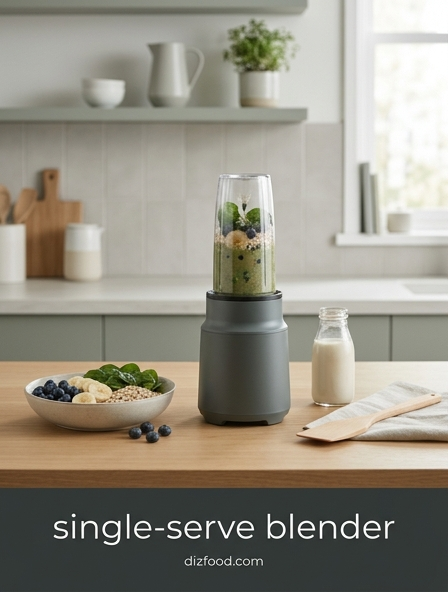
The blending of frozen produce also impacts the aeration of the mixture. Frozen chunks create more friction during the blending process, which can help break down fibrous skins more effectively than soft, fresh produce. This results in a "sorbet-like" thickness that is highly palatable. However, it is important to use a high-powered motor to ensure that the frozen cellular structures are fully pulverized, releasing the intracellular fluids that contribute to a silky finish. For the best results, a combination of a liquid base and frozen solids ensures a smooth vortex, preventing the blade from spinning in an air pocket.
Bioavailability of Nutrients in Blended Smoothies
Bioavailability refers to the proportion of a nutrient that is absorbed and utilized by the body. Blending can significantly enhance the bioavailability of certain nutrients by mechanically breaking down tough plant cell walls (cellulose). This "pre-digestion" allows the digestive system to access micronutrients that might otherwise pass through the tract unabsorbed. This is particularly true for fat-soluble vitamins and certain antioxidants found in fibrous greens and thick-skinned fruits.
- Carotenoids: Blending spinach and carrots increases the release of lutein and beta-carotene.
- Chlorophyll: Mechanical shearing releases chlorophyll from the chloroplasts of leafy greens.
- Lycopene: While usually increased by heat, blending also aids in the accessibility of lycopene in tomatoes.
To maximize bioavailability in the kitchen, it is beneficial to include a source of healthy fats-such as avocado, nuts, or seeds-in the blend. Since many of the nutrients released during the blending process are fat-soluble, the presence of lipids ensures that the body can transport these compounds across the intestinal wall efficiently. Thus, a well-constructed blend is more than just a convenience; it is a delivery system for optimized nutrition.
Economic Value and Waste Reduction Benefits
Maintaining a nutrient-dense diet can be expensive, but strategic use of frozen ingredients offers significant economic advantages. Frozen produce is often priced lower per ounce than fresh produce, especially when items are out of season. Because frozen goods are processed in bulk during peak harvest, the cost savings are passed to the consumer. Furthermore, the use of frozen ingredients dramatically reduces food waste, a major hidden cost in most kitchens.
| Factor | Fresh Produce | Frozen Produce |
|---|---|---|
| Average Cost | Fluctuates Seasonally | Stable and Low |
| Waste Percentage | ~20-30% Spoilage | Near 0% |
| Preparation Time | High (Washing/Cutting) | Low (Pre-washed/Cut) |
By utilizing frozen fruits and vegetables, a kitchen can eliminate the "spoilage tax" associated with fresh items that are forgotten in the back of the refrigerator. This allows for a more diverse array of nutrients to be kept on hand at all times, ensuring that high-quality meals can be prepared without constant trips to the market or the guilt of discarding withered produce.
Oxidation Rates in Fresh versus Frozen Blends
Oxidation is the chemical reaction that occurs when food is exposed to oxygen, leading to the degradation of color, flavor, and nutrient content. In the kitchen, blending accelerates oxidation because the high-speed blades incorporate air into the mixture. The rate of this oxidation varies depending on whether the ingredients are fresh or frozen. Fresh ingredients are often already in a state of slow oxidation, which speeds up significantly once the cell walls are ruptured.
Frozen ingredients can actually slow down the oxidation process during and immediately after blending. The lower temperature of the resulting mixture reduces the kinetic energy of the molecules, slowing the chemical reactions between oxygen and sensitive vitamins. Additionally, the cold temperature helps maintain the stability of pigments like anthocyanins. However, regardless of the initial state, a blend should be consumed quickly or stored in an airtight container with minimal headspace. The presence of foam on the surface of a smoothie is a visual indicator of aeration and potential oxidation, suggesting that the nutrient density is at its peak immediately after the blending cycle concludes.
Optimal Storage Practices for Nutrient Preservation
To maintain the highest level of nutrient density in the kitchen, storage practices must be disciplined. Temperature, light, and air are the three primary enemies of vitamin retention. Whether dealing with fresh or frozen stock, the goal is to minimize exposure to these elements to prevent the degradation of fragile molecular structures. Proper storage not only preserves health benefits but also maintains the flavor profile and color of the ingredients.
- Vacuum Sealing: Removing air prevents oxidative browning and the loss of Vitamin C in both fresh and frozen items.
- Opaque Containers: Light can degrade riboflavin and other light-sensitive phytonutrients; use dark or solid-colored storage.
- Consistent Freezing: Avoid "freezer burn" by maintaining a constant temperature of 0°F (-18°C) and ensuring bags are tightly sealed.
- Blanching Basics: If freezing fresh vegetables at home, blanch them briefly in boiling water to stop enzymatic activity before storage.
For fresh produce, the "crisper" drawer settings should be adjusted based on the moisture needs of the specific item. Leafy greens require high humidity, while fruits often benefit from lower humidity. By implementing these storage standards, the kitchen becomes a repository of high-quality nutrition, ensuring that every meal contributes maximally to dietary goals.




Comments