
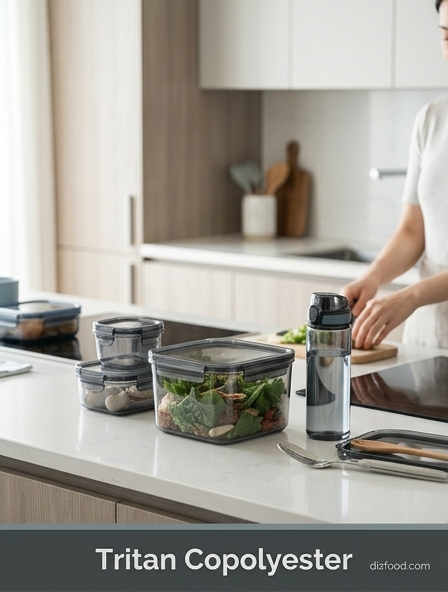
Upgrading your kitchenware starts with choosing materials that blend elegance with unbeatable durability, which is exactly why Tritan and polycarbonate pitchers have become the gold standard for home cooks and professionals alike. These high-performance materials offer the crystal-clear aesthetic of glass without the heavy weight or the constant risk of shattering, making them perfect for high-speed blending and serving refreshments. Impact-resistant and designed to withstand the rigors of a busy household, they maintain their clarity and strength even after countless dishwasher cycles. To find the perfect match for your blending needs, it is helpful to compare the specific benefits of Tritan versus polycarbonate pitchers.
Unmatched Durability and Impact Resistance
Tritan Copolyester stands as a pinnacle of material science in the modern kitchen, offering a level of toughness that surpasses traditional plastics and even tempered glass. Its molecular structure is engineered to absorb kinetic energy, meaning it can withstand high-impact drops onto tiled floors or accidental strikes against granite countertops without showing signs of stress. In high-volume culinary environments, tools made from this material maintain their structural integrity through thousands of cycles of heavy use. Unlike polycarbonate, which can become brittle over time, Tritan retains its flexibility and strength, ensuring that blender jars, food processor bowls, and storage containers do not develop the hairline fractures known as "crazing." This resilience is essential for professional chefs and home cooks alike who require equipment that can keep up with the physical demands of daily meal preparation. The following attributes contribute to its rugged performance:
- Superior drop-test ratings compared to SAN and acrylic plastics.
- High tensile strength that resists deformation under pressure.
- Exceptional resistance to environmental stress cracking.
- Surface hardness that prevents deep gouges and structural weakening.
BPA-Free Safety for Healthy Blending
Consumer health is a primary driver behind the adoption of Tritan Copolyester in kitchenware. Unlike older plastic formulations, Tritan is manufactured without Bisphenol A (BPA), Bisphenol S (BPS), or any other estrogenic or androgenic activity (EA). This chemical purity ensures that even when exposed to acidic ingredients like citrus or high-speed friction during blending, no harmful chemicals leach into the food. Rigorous third-party testing has confirmed that Tritan is safe for food contact across all age groups, making it the preferred choice for baby food prep and daily nutritional smoothies. By eliminating these endocrine disruptors, the material provides peace of mind without sacrificing the performance benefits of polymer technology. This safety profile is not merely a marketing claim but a result of fundamental chemical engineering designed to prioritize human wellness. The stability of the material means that the chemical bonds remain intact, preventing the degradation that often plagues cheaper plastics when they are subjected to the complex chemical environments of a functioning kitchen.
Crystal Clarity and Glass-Like Aesthetics
One of the most striking features of Tritan Copolyester is its exceptional optical clarity, which rivals that of premium glass. It possesses a high refractive index that allows light to pass through with minimal distortion, showcasing the vibrant colors of fresh ingredients. Unlike traditional plastics that often exhibit a yellow or blue tint, Tritan remains neutral and transparent, maintaining its "new" look for years. This aesthetic quality is particularly valued in high-end blender jars and serving carafes where visual appeal is as important as functionality. Even after hundreds of trips through the dishwasher, the material resists the cloudy oxidation that typically dulls the appearance of other resins. This enduring brilliance makes it an ideal substitute for glass in environments where elegance is required but breakage is a concern. The following table highlights how Tritan compares to other common materials in terms of visual and physical properties:
| Feature | Glass | Standard Plastic | Tritan Copolyester |
|---|---|---|---|
| Optical Clarity | Excellent | Moderate/Poor | Excellent |
| Weight | Heavy | Light | Light |
| Color Retention | Permanent | Fades/Yellows | Permanent |
High-Heat Resistance for Versatile Cooking
Tritan Copolyester is engineered to withstand significantly higher temperatures than most consumer-grade plastics, making it highly versatile for various culinary applications. While standard plastics might warp or melt when exposed to boiling liquids, Tritan maintains its shape and mechanical properties at temperatures up to 100 degrees Celsius. This heat deflection capability allows users to pour hot soups directly into a blender jar or use storage containers for microwave reheating without fear of structural failure. This thermal stability is critical for safety, as it prevents the container from softening and potentially leaking or splashing hot contents onto the user. Furthermore, the material handles rapid temperature transitions exceptionally well; moving a container from a cold refrigerator to a warm countertop does not induce thermal shock. This makes it an indispensable asset for multitasking cooks who need gear that can transition seamlessly between different stages of food preparation and storage. Its ability to remain stable under heat also ensures that it does not impart any "plastic" taste to warm foods, preserving the intended flavor profile of every dish.
Lightweight Design for Effortless Handling
The ergonomic benefits of Tritan Copolyester are most evident during the repetitive tasks of pouring, lifting, and cleaning. Despite its heavy-duty performance, the material is significantly lighter than glass, which can become prohibitively heavy when filled to capacity. For instance, a 64-ounce blender jar made of glass can be difficult to maneuver with one hand, whereas a Tritan equivalent provides the same volume with a fraction of the weight. This reduction in mass lessens the strain on the wrists and forearms, a crucial factor for professional kitchen staff or individuals with limited grip strength. The lightweight nature of the material also makes it the ideal choice for portable hydration bottles and outdoor serving sets. By reducing the overall weight of kitchen appliances, Tritan allows for more compact motor bases and easier storage solutions. Users often find that the effortless handling of Tritan products encourages more frequent use of their kitchen tools, as the physical barrier of heavy lifting is removed from the cooking process.
Shatterproof Performance in Busy Kitchens
Safety is a paramount concern in any kitchen, and the shatterproof nature of Tritan Copolyester provides a significant advantage over glass alternatives. In the chaotic environment of a busy meal prep session, accidents are inevitable; however, a dropped Tritan pitcher will bounce rather than shatter into dangerous shards. This quality is particularly important in households with children or pets, where broken glass presents a severe injury risk. Beyond the immediate safety benefits, the shatterproof property ensures that food batches are not contaminated by fragments if a container is struck. Many commercial kitchens and outdoor dining venues have banned glass entirely, opting for Tritan because it offers the same premium look without the liability of breakage. The material's ability to withstand extreme physical stress without splintering makes it the most reliable choice for high-speed blending, where the internal pressure and centripetal force could cause lesser materials to fail catastrophically. To maximize safety, consider the following benefits of shatterproof gear:
- Elimination of sharp debris during accidental drops.
- Safe for use on pool decks and outdoor patios.
- Increased longevity of the product in high-traffic areas.
- Reduced risk of cross-contamination from material failure.
Stain and Odor Resistant Surfaces
One of the most frustrating aspects of using plastic kitchenware is the tendency for containers to absorb the smells and colors of the food they hold. Tritan Copolyester addresses this issue through its non-porous surface chemistry, which resists the penetration of pigments and aromatic compounds. Even stubborn ingredients like tomato sauce, turmeric, or garlic do not leave a lasting mark or scent after a thorough wash. This resistance is vital for multi-purpose kitchen tools; a blender used to grind coffee beans in the morning can be used for a fruit smoothie in the afternoon without any flavor carryover. Because the surface remains smooth and unpitted over time, there are fewer microscopic crevices where food particles or bacteria can take hold. This contributes not only to the cleanliness of the container but also to the overall hygiene of the kitchen. Users can confidently store a wide variety of pungent or highly colored foods, knowing that the material will return to its pristine, neutral state with standard cleaning procedures, maintaining both its visual clarity and olfactory neutrality.
Dishwasher Safe Convenience and Care
Maintenance of Tritan Copolyester is remarkably simple, as the material is specifically formulated to survive the harsh environment of a modern dishwasher. Unlike other plastics that may turn "milky" or develop cracks due to the combination of high heat and aggressive detergents, Tritan remains clear and structurally sound. It is resistant to the chemical attacks of surfactants and rinse agents, ensuring that the surface does not become tacky or degraded. This dishwasher compatibility is a major convenience for busy households, allowing for sanitization without the need for tedious hand-washing. While Tritan is exceptionally durable, following a few basic care guidelines can further extend its lifespan. For example, placing items on the top rack is generally recommended to avoid direct proximity to the heating element, although the material is capable of withstanding bottom-rack temperatures in most machines. The longevity of the material through hundreds of wash cycles makes it a more sustainable and cost-effective choice compared to disposable or low-quality plastics that require frequent replacement due to aesthetic or structural degradation.
Engineered for High-Speed Blending Power
Tritan Copolyester has become the industry standard for high-performance blender jars because it can handle the intense mechanical stresses of high-RPM motors. When a blender spins at speeds exceeding 20,000 revolutions per minute, the jar must withstand significant internal pressure and the constant bombardment of hard ingredients like ice, nuts, and frozen fruits. Tritan's wall thickness and material density are tuned to dampen vibration and reduce noise, providing a more pleasant user experience during heavy blending. Furthermore, the material's flexibility allows it to pulse slightly under the pressure of a vortex without cracking, a feat that glass cannot achieve. This "give" is what prevents the jar from failing when the blades strike a particularly hard object. The synergy between the motor's power and the jar's resilience allows for smoother textures in purees and nut butters. Designers often utilize Tritan's moldability to create complex internal ribbing and "wildside" geometries that move ingredients back into the blades, optimizing the blending flow and ensuring consistent results every time.
Long-Term Cost Efficiency and Reliability
Investing in Tritan Copolyester kitchenware represents a strategic choice for long-term cost efficiency. While the initial price point may be higher than that of basic polypropylene or polystyrene products, the extended lifecycle of Tritan more than justifies the expense. Because it does not crack, stain, or lose its aesthetic appeal, a single Tritan blender jar or set of storage containers can outlast several iterations of cheaper alternatives. This durability reduces the frequency of replacements, saving the consumer money over several years. Furthermore, the reliability of Tritan ensures that kitchen appliances perform at their peak for longer, preventing the need for expensive repairs or the purchase of entirely new systems due to a failed container. In a commercial setting, this reliability translates to less downtime and lower overhead costs related to equipment breakage. By choosing a material that stands the test of time, consumers also contribute to a more sustainable lifestyle by reducing the volume of broken or degraded plastic that ends up in landfills. Ultimately, Tritan offers a rare combination of premium performance and lasting value.

Comments