
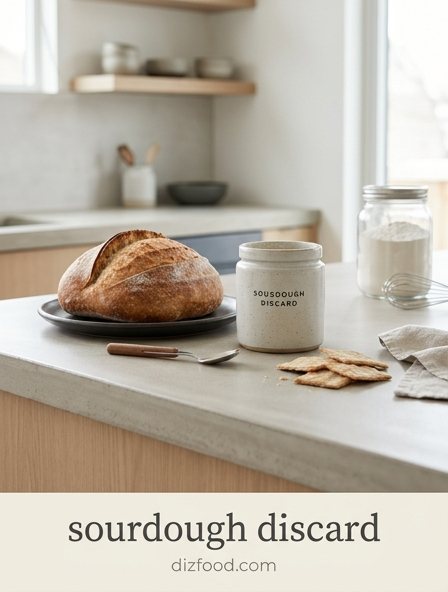
Unlocking Tenderness with Sourdough Discard Chemistry
Sourdough discard is far more than a byproduct of the fermentation process; it is a sophisticated culinary tool that fundamentally alters the chemistry of baked goods. At its core, discard consists of fermented flour and water, housing a complex community of lactic acid bacteria and wild yeast. When introduced to a batter or dough, the lactic acid acts as a natural tenderizer by breaking down long protein chains, specifically gluten. This enzymatic activity ensures that even dense flours result in a soft, yielding crumb. Furthermore, the acidity of the discard lowers the pH of the mixture, which inhibits the rate of starches crystallizing, effectively keeping the finished product fresher for a longer duration.
The moisture content within the discard is already fully hydrated, meaning it integrates into recipes with ease, providing a silkier consistency than raw flour and water could achieve. Bakers often find that substituting a portion of the liquid and flour in a standard recipe with discard results in a more cohesive structure. This chemical interaction is particularly beneficial in quick breads and pastries where a delicate, melt-in-the-mouth sensation is desired. By understanding the protease enzymes and acids at play, one can manipulate discard to achieve professional-grade textures in a home kitchen.
Maximizing Tangy Notes in Everyday Baking
The flavor profile of sourdough discard is its most defining characteristic, offering a complex tang that ranges from mild and milky to sharp and vinegary. This acidity is the result of prolonged fermentation, where organic acids accumulate over time. To maximize these tangy notes in everyday baking, the age of the discard plays a critical role. Discard that has sat in the refrigerator for several days will possess a more pronounced sourness compared to fresh discard. This allows bakers to customize the flavor intensity based on the specific requirements of the dish.
- Cold Aging: Keeping discard in the fridge for up to a week concentrates the acetic acid, providing a sharp bite.
- Temperature Control: Using discard at room temperature can mellow the flavor, while cold discard keeps the tang sharp.
- Leavening Balance: Combining discard with baking soda neutralizes some acid, creating carbon dioxide for lift while leaving a subtle fermented undertone.
- Recipe Ratios: Increasing the ratio of discard to fresh flour shifts the flavor profile toward a traditional sourdough palate.
When used strategically, these tangy notes provide a counterpoint to sugary glazes or rich fats, balancing the overall flavor experience of common pantry staples.
Velvety Textures in Sourdough Discard Cakes
Incorporating sourdough discard into cake batters is a masterclass in achieving a velvety, tight-knit crumb. Unlike traditional cakes that rely solely on chemical leaveners, discard-infused cakes benefit from the emulsifying properties of fermented flour. The acidity in the discard reacts instantly with baking soda, producing a fine network of air bubbles that leads to an incredibly light yet moist structure. This is particularly effective in chocolate or spice cakes, where the deep flavors of the discard complement the cocoa or aromatics. The presence of discard also helps to retain moisture, preventing the cake from drying out during the baking process or while sitting on the counter.
Furthermore, the subtle acidity cuts through the richness of high-fat ingredients like butter or cream cheese frosting. This creates a more sophisticated flavor profile that isn't overly sweet. The result is a cake that feels substantial on the fork but remains soft and airy on the palate. Whether making a simple loaf cake or a decadent multi-layered celebration cake, the addition of discard transforms the crumb from standard to artisanal, providing a professional finish that is difficult to replicate with fresh flour alone.
Artisanal Sourdough Discard Crackers and Crisps
Crackers and crisps represent one of the most popular uses for sourdough discard due to their simplicity and the exceptional crunch the starter provides. When discard is spread thin and baked, the fermented proteins create a brittle, snappy texture that is highly sought after in artisanal snacks. Because the flour in the discard is already fermented, the crackers develop a deep, toasted grain flavor that far surpasses store-bought alternatives. This application is also highly versatile, allowing for the inclusion of various fats, herbs, and seeds to create unique flavor profiles.
| Flavor Profile | Recommended Additions | Texture Goal |
|---|---|---|
| Herbed Savory | Rosemary, Sea Salt, Garlic Powder | Brittle and Snappy |
| Cheesy Umami | Parmesan, Black Pepper, Paprika | Crispy and Flaky |
| Seeded Earthy | Sesame Seeds, Flax, Everything Seasoning | Crunchy and Dense |
The key to success with discard crackers lies in the baking temperature and thickness. A low and slow bake ensures that all moisture is evaporated, leaving behind a perfectly crisp vessel for dips or cheeses. The inherent tang of the discard provides a built-in seasoning that highlights the natural sweetness of the wheat.
Breakfast Classics Reimagined with Sourdough Tang
Breakfast staples such as pancakes, waffles, and crepes are elevated to new heights when sourdough discard is introduced to the mix. The fermentation process breaks down complex starches into simpler sugars, which caramelize beautifully on a hot griddle, leading to a golden-brown exterior and a tender interior. In pancakes, the discard creates a characteristic "lift" when paired with a small amount of chemical leavener, resulting in a stack that is both fluffy and flavorful. The slight acidity provides a refreshing contrast to sweet maple syrup or fresh berries, making the meal feel less heavy.
Waffles, on the other hand, benefit from the structural integrity that discard provides. The fermented batter crisps up exceptionally well in a waffle iron, maintaining a rigid exterior while the inside remains soft. For those who prefer a more fermented taste, an overnight discard batter can be prepared, allowing the flavors to develop and deepen while the cook sleeps. This method not only improves the taste but also makes the breakfast more digestible, as the long soak continues to break down the phytic acid found in the grain.
Achieving the Perfect Crumb in Discard Muffins
The quest for the perfect muffin crumb often ends with the addition of sourdough discard. Muffins can frequently become tough if the batter is overmixed, as gluten develops too quickly. However, the presence of sourdough discard introduces acids that hinder excessive gluten formation, allowing for a more forgiving mixing process. This results in a muffin with a tender, uniform crumb that holds its shape without being crumbly. The discard also acts as a humectant, drawing in moisture and ensuring that the muffins stay soft for several days after baking.
To achieve a high, domed top, the interaction between the discard's acidity and the leavening agents is crucial. The rapid release of carbon dioxide during the initial stages of baking pushes the batter upward, creating that classic bakery-style silhouette. Whether the muffins are filled with blueberries, chocolate chips, or savory ingredients like zucchini and feta, the discard provides a neutral yet complex base that enhances the primary flavors. It effectively replaces a portion of the yogurt or sour cream often called for in premium muffin recipes, offering a similar fat and acid profile with added depth.
Innovative Sweet and Savory Discard Pairings
One of the most exciting aspects of working with sourdough discard is its ability to bridge the gap between sweet and savory flavor profiles. Because the discard itself carries both a fermented tang and a cereal-like sweetness, it pairs harmoniously with a wide array of ingredients. This versatility allows home bakers to experiment with bold combinations that might otherwise seem clashing. The acidity can brighten up heavy fats, while the yeast notes can add an earthy undertone to sugary treats.
- Savory: Discard paired with sharp cheddar and chives for biscuits or scones.
- Sweet: Discard combined with dark chocolate and sea salt to enhance the cocoa's bitterness.
- Spicy: Incorporating discard into jalapeño cornbread for a complex, tangy heat.
- Fruity: Using discard in lemon poppy seed loaves to double down on the bright, acidic profile.
By treating the discard as a flavor enhancer rather than just a filler, you can create unique culinary experiences. These pairings leverage the natural complexity of wild fermentation to create layers of taste that are difficult to achieve with standard leavening methods, proving that "waste" is often the most flavorful ingredient in the pantry.
The Role of Acidity in Tenderizing Baked Goods
Acidity is a silent hero in the world of baking, and sourdough discard is one of its most accessible sources. The pH level of a dough or batter significantly influences the final texture of the baked good. When the environment is more acidic, as it is with the addition of discard, the proteins in the flour (glutenin and gliadin) are modified. This modification prevents them from forming the strong, elastic bonds required for chewy bread, which is exactly what you want when making tender biscuits, cakes, or pie crusts. This tenderizing effect is similar to using buttermilk or sour cream but with the added benefit of wild yeast flavors.
Furthermore, the acidity plays a vital role in the Maillard reaction-the chemical process that gives crusts their brown color and savory flavor. While excessive acid can sometimes slow browning, the sugars released by the enzymatic activity in sourdough discard often compensate, resulting in a rich, deeply colored finish. This balance of acidity not only improves the physical sensation of eating the baked good but also extends its shelf life by naturally inhibiting the growth of mold and staling, making it a functional powerhouse in the kitchen.
Simple Sourdough Discard Biscuits and Scones
Biscuits and scones are perhaps the most rewarding way to utilize sourdough discard when you are short on time but crave an artisanal result. The secret to a great biscuit is flakiness, which is achieved through layers of cold fat separated by dough. Adding discard to this equation introduces a subtle tang that mimics traditional buttermilk biscuits. Because the discard provides both flour and liquid, it helps bind the dough without over-hydrating it, which is essential for maintaining those distinct, buttery layers. The fermentation also adds a lightness to the dough that chemical leaveners alone cannot provide.
- Cut in Fat: Start with very cold butter and pulse it into the dry ingredients until pea-sized crumbs form.
- Incorporate Discard: Gently fold in the sourdough discard until a shaggy dough forms, being careful not to overwork it.
- Lamination: Fold the dough over itself several times to create physical layers of fat and fermented dough.
- Bake High: Use a high oven temperature to trigger steam from the discard's moisture, lifting the layers.
The resulting biscuits are tall, flaky, and possess a depth of flavor that complements both honey and savory gravies perfectly.
Sustainability and Flavor in Discard Baking
The practice of using sourdough discard is a marriage of environmental consciousness and culinary excellence. In a traditional baking cycle, a significant amount of starter is often washed down the drain, representing a waste of both flour and the energy used to grow the culture. By repurposing this "waste" into crackers, cakes, and breads, bakers participate in a circular kitchen economy that honors the ingredients. This sustainable approach does not require a sacrifice in quality; in fact, many bakers argue that the discard version of a recipe is superior to the original due to the added complexity provided by the fermentation time.
Beyond the ecological benefits, using discard encourages a more intuitive style of cooking. It teaches the baker to understand the balance of hydration and acidity, fostering a deeper connection to the food. The flavor benefits are undeniable, as the slow-developed organic acids provide a richness that cannot be replicated by commercial yeast or quick-mix flours. Ultimately, discard baking proves that some of the best flavors in the kitchen come from patience and the clever reuse of resources, turning a daily chore into a source of constant inspiration.

Comments