
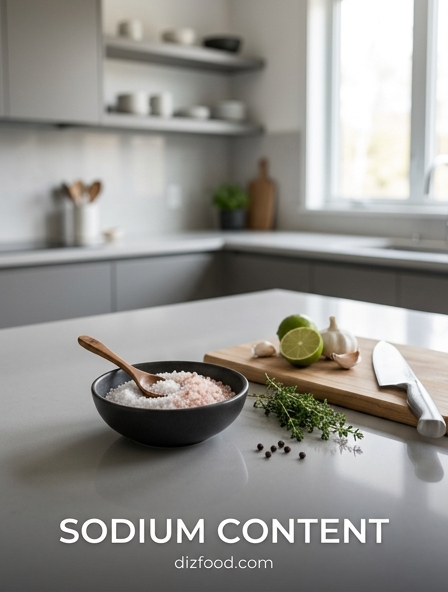
Understanding the Role of Salt in Baking Chemistry
Sodium chloride serves as a fundamental regulator within the chemical environment of a baking dough. It functions primarily by inhibiting the activity of proteases, which are enzymes that naturally break down proteins. In the absence of sufficient sodium, these enzymes can overly soften the dough, leading to a sticky, unmanageable consistency that lacks structural integrity. Furthermore, salt influences the rate of hydration within the flour particles. Because sodium ions interact with water molecules, they modulate how moisture is absorbed by the starches and proteins, ensuring a cohesive crumb.
Beyond texture, salt is essential for flavor modulation and shelf life. It acts as a preservative by reducing water activity, which hinders the growth of mold and bacteria. In the oven, salt helps stabilize the air cells created by yeast or chemical leaveners, preventing them from collapsing prematurely. This chemical stabilization is the difference between a dense, flat product and a light, airy loaf. Without the precise ionic interactions provided by sodium, the complex biochemical reactions required for high-quality baking would fail to reach completion.
Choosing Between Kosher Sea and Table Salt
The choice of salt in the kitchen significantly impacts both the flavor profile and the sodium concentration of a dish. Table salt is highly refined, containing anti-caking agents and often added iodine. Its fine, uniform grain ensures rapid dissolution, but its density can lead to accidental over-salting if measured by volume. In contrast, Kosher salt is favored by professional chefs for its large, irregular flakes that allow for better tactile control when seasoning by hand.
Sea salt is harvested from evaporated ocean water and is prized for its trace mineral content, including magnesium and potassium. These minerals can impart a subtle complexity to the flavor that refined salts lack. When choosing a salt, consider the following characteristics:
- Table Salt: High density, contains iodine, dissolves almost instantly in liquids.
- Kosher Salt: Lower density, no additives, excellent for dry-brining meats.
- Sea Salt: Variable grain size, contains trace minerals, often used as a finishing salt.
- Flaked Salt: Very low density, delicate texture, provides a localized burst of flavor.
Measuring Sodium by Weight for Consistency
In professional culinary environments, measuring sodium by weight rather than volume is the only reliable method for maintaining consistency. Because the crystal size and shape of salt vary drastically between brands, a single tablespoon of table salt contains significantly more sodium than a tablespoon of flaky kosher salt. This discrepancy can ruin a recipe, especially in large-batch production where small errors are magnified.
Using a digital gram scale eliminates the variables introduced by "packing" or "leveling" a measuring spoon. For instance, the density of salt types varies as follows:
| Salt Type | Grams per Tablespoon |
|---|---|
| Table Salt | 18g - 20g |
| Morton Kosher | 14g - 16g |
| Diamond Crystal | 8g - 10g |
| Fine Sea Salt | 17g - 19g |
By adhering to weight-based measurements, bakers ensure that the sodium content remains constant, which is critical for both the health-conscious consumer and the structural requirements of the dough itself.
How Salt Controls Yeast Fermentation Rates
Sodium chloride acts as a natural brake on yeast activity through the process of osmotic pressure. By drawing water out of the yeast cells, salt slows down their metabolism, preventing the rapid and uncontrolled production of carbon dioxide. This controlled fermentation is essential for developing complex organic acids and esters that contribute to the final flavor of the bread. Without salt, yeast would consume the available sugars too quickly, leading to a dough that over-proofs and collapses.
In addition to slowing the rate of gas production, salt helps to prevent the growth of wild yeast strains and undesirable bacteria that might be present in the flour or the air. This ensures that the commercial or sourdough yeast remains the dominant organism in the fermentation process. A well-salted dough undergoes a slow, steady rise, which results in a tighter crumb structure and a more nuanced taste profile. The relationship between sodium and yeast is one of the most delicate balances in the art of bread making.
Strengthening Gluten Structure with Precise Salting
Salt provides a profound tightening effect on the gluten network within a dough. When sodium chloride is introduced, the sodium and chloride ions interact with the charged amino acids on the gluten proteins, specifically glutenin and gliadin. This interaction reduces the repulsive forces between the protein chains, allowing them to move closer together and form more robust, elastic bonds. A properly salted dough exhibits significantly improved gas retention and a higher volume during the baking process.
Without adequate salt, the gluten strands remain loose and disorganized, resulting in a dough that is slack, tears easily, and cannot hold the tension required for a proper rise. This structural strengthening is particularly important in high-hydration doughs, where the water content naturally threatens to weaken the protein matrix. By precisely managing the sodium concentration, usually between 1.8% and 2.2% of the flour weight, bakers can achieve an optimal balance of extensibility and elasticity, ensuring the bread maintains its shape and achieves a desirable chewiness.
Balancing Sweetness with Strategic Sodium Use
In sweet applications, sodium is used strategically to create balance, depth, and clarity of flavor. Salt functions as a flavor enhancer by suppressing the perception of bitterness and highlighting the aromatic compounds in ingredients like chocolate, vanilla, nuts, and fruit. By modulating the sensitivity of the taste buds, a small amount of sodium can actually make a dessert taste sweeter and more complex without the need for additional refined sugar.
This phenomenon, often referred to as flavor bridging, is why salt is a staple in caramel, cookies, and cakes. The sodium ions help to brighten acidic notes in fruit-based fillings and ground the heavy richness of fats like butter and cream. In many traditional recipes, salt is added at the end of the process as a finishing touch to provide a localized contrast that keeps the palate engaged. Strategic salting prevents "sugar fatigue," where a dessert becomes cloying or one-dimensional, and instead creates a multidimensional tasting experience that appeals to a broader range of sensory receptors.
Reducing Sodium Without Sacrificing Bread Texture
Reducing sodium in baking is a significant challenge because salt serves functional roles beyond flavor. A direct reduction in salt can lead to weak loaves with a bland taste and a pale crust. To mitigate these issues while lowering sodium content, bakers often utilize a variety of technical adjustments. One common method is the use of long, cold fermentations (retarding the dough), which allows natural organic acids to develop, providing a flavor punch that compensates for the lack of sodium.
Additionally, specialized ingredients can be used to mimic the functional benefits of salt. Consider the following strategies for low-sodium baking:
- Potassium Chloride: Often used as a partial substitute, though it can have a slightly bitter aftertaste if overused.
- Enhanced Fermentation: Using pre-ferments like biga or poolish to build natural flavor depth.
- Acidic Inclusions: Adding lemon juice or vinegar to strengthen the gluten network in place of salt.
- Aromatic Herbs: Using rosemary, thyme, or garlic to distract the palate from lower salt levels.
These methods allow for a healthier product that still maintains the structural integrity and sensory appeal of traditional bread.
Impact of Salt on Crust Color and Caramelization
The presence of salt in dough significantly impacts the final aesthetics of the loaf, specifically the crust color. This occurs because salt slows down the yeast's consumption of sugars during the fermentation process. As a result, more residual sugars-both those naturally present in the flour and any added sweeteners-remain in the dough as it enters the oven. When these sugars are exposed to high heat, they undergo the Maillard reaction and caramelization, producing a rich, golden-brown to mahogany crust.
In a dough without salt, the yeast would consume nearly all available sugars before the baking stage, resulting in a loaf that remains pale, dull, and unattractive despite long bake times. Furthermore, salt is hygroscopic, meaning it attracts moisture from the air. This property helps to keep the crust from becoming excessively tough or dry, contributing to a crisp yet thin exterior that shatters when bitten. The visual and textural appeal of a well-baked loaf is, therefore, directly tied to the specific concentration of sodium chloride used in the initial mix.
Converting Salt Types in Professional Recipes
Converting between different types of salt is a critical skill for ensuring recipe success when the specified brand is unavailable. Because of the vast differences in crystal density, conversions must be handled with precision. A recipe developed with Diamond Crystal Kosher salt will be ruined if an equal volume of table salt is used, as the table salt is nearly twice as salty by weight. To maintain the intended flavor and chemistry, professionals use conversion factors based on the specific brand's weight-to-volume ratio.
When weight is not an option, the following volume-based conversions can serve as a general guide to achieve approximately the same sodium content:
- 1 tsp Table Salt = 1.5 tsp Morton Kosher Salt
- 1 tsp Table Salt = 2 tsp Diamond Crystal Kosher Salt
- 1 tsp Morton Kosher = 1.3 tsp Diamond Crystal Kosher Salt
- 1 tsp Fine Sea Salt = 1 tsp Table Salt
Always prioritize weight over volume. If a recipe calls for 10 grams of salt, any salt type can be used as long as exactly 10 grams are measured on a scale.
Best Practices for Salting Doughs and Batters
To ensure even distribution and optimal chemical interaction, salt should be added to doughs and batters at specific stages. In many professional bread recipes, the "autolyse" method is used, where flour and water are mixed first and allowed to rest. Salt is withheld during this initial period because its tightening effect on gluten can interfere with the flour's ability to fully hydrate. Once the rest is complete, the salt is added, often with a small amount of reserved water to help it dissolve and incorporate evenly.
For cake batters and cookie doughs, the following best practices should be observed:
- Whisking with Dry Ingredients: Sift or whisk salt with the flour to prevent "salt pockets" in the finished crumb.
- Dissolving in Liquids: In high-fat batters, salt should be dissolved in eggs or milk to ensure it is distributed throughout the emulsion.
- Delayed Addition: In sourdough, add salt after the initial mixing phase to avoid shocking the wild yeast culture.
- Surface Application: Use coarse salts only on the exterior of baked goods to provide a crunchy texture and visual appeal.




Comments