
Navigating the baking aisle can be tricky when you're faced with two similar-looking cans of concentrated dairy. For every home baker, understanding the functional differences between these staples is the key to achieving the perfect texture and flavor in your desserts. While both undergo a heating process to remove about 60% of their water content, the addition of sugar is the real deal-breaker. Evaporated milk provides a creamy, unsweetened richness ideal for silky sauces and custards, whereas condensed milk is thick, syrupy, and heavily sweetened for decadent treats. To ensure your recipes turn out perfectly every time, dive deeper into the nuances of Evaporated Milk vs. Condensed Milk.
Understanding Evaporated Milk Basics
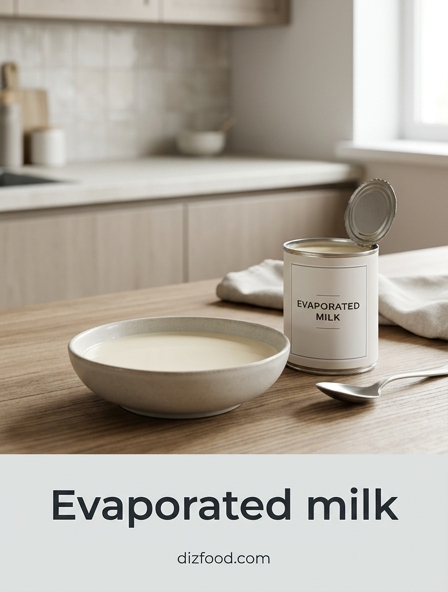
Evaporated milk is a shelf-stable canned cow's milk product where approximately 60 percent of the water has been removed from the original liquid. This concentration process results in a product that is significantly creamier and more nutrient-dense than standard fresh milk. Unlike many other canned dairy products, evaporated milk contains no added sugar, making it a versatile ingredient for both savory and sweet applications. It undergoes a rigorous homogenization and sterilization process, which involves heating the milk to temperatures high enough to ensure a long shelf life while also imparting a slightly darker, ivory hue.
Because of its unique processing, evaporated milk offers several advantages in a culinary context:
- It provides a rich, creamy mouthfeel without the high fat content associated with heavy cream.
- The high-heat sterilization prevents the milk from curdling easily when mixed with acidic ingredients like tomatoes.
- It acts as an excellent emulsifier in sauces, helping to bind fats and liquids together smoothly.
- It serves as a reliable emergency pantry staple when fresh dairy is unavailable.
Defining Sweetened Condensed Milk
Sweetened condensed milk is often confused with evaporated milk, yet it is a distinct product characterized by its high sugar content and syrupy consistency. Like its unsweetened counterpart, it is made by removing about 60 percent of the water from cow's milk. However, a significant amount of sugar-roughly 40 to 45 percent by weight-is added during the manufacturing process. This sugar acts as a preservative, inhibiting the growth of bacteria and allowing the product to last for years in an unopened can. The resulting liquid is thick, tacky, and extremely sweet, making it unsuitable for savory dishes.
Common characteristics of sweetened condensed milk include:
- A thick, viscous texture that flows slowly, similar to warm honey.
- A pale yellow or cream color derived from the concentration of lactose and added sucrose.
- An intense sweetness that dominates the flavor profile of any dish.
- The ability to thicken quickly when combined with acidic juices, such as lime or lemon, due to a chemical reaction with the milk proteins.
The Science of Milk Reduction
The transformation of fresh milk into a concentrated form involves sophisticated thermal processing designed to reduce volume while maintaining stability. The process begins with vacuum evaporation, where milk is heated under reduced pressure. This allows the water to boil off at a lower temperature, which helps prevent the milk from developing a burnt flavor. As the water escapes, the concentration of proteins, fats, and minerals increases proportionally. This concentrated liquid is then homogenized to ensure that the fat globules are distributed evenly, preventing separation during storage.
- The milk is first clarified and standardized to ensure consistent fat levels.
- Vacuum evaporation removes more than half of the water content efficiently.
- The concentrate is stabilized with mineral salts to prevent protein coagulation during the final heating phase.
- High-heat sterilization (canning) occurs, which creates the final shelf-stable product by killing all microorganisms.
This reduction not only changes the physical state of the milk but also chemically alters the proteins, making them more resistant to breaking down when used in high-heat cooking or baking environments.
Sugar Content and Sweetness Levels
The primary differentiator between evaporated and condensed milk is the sugar profile. Evaporated milk contains only the natural sugars found in dairy, primarily lactose. This results in a mild, slightly cooked sweetness that is barely perceptible. In contrast, sweetened condensed milk is heavily fortified with sucrose, which completely changes the caloric density and flavor. Understanding these levels is crucial for bakers who must balance the total sugar in a recipe to ensure proper structure and caramelization without making the final product cloying.
| Feature | Evaporated Milk | Sweetened Condensed Milk |
|---|---|---|
| Added Sugar | None | 40% to 45% by weight |
| Lactose Content | Concentrated | Concentrated |
| Primary Flavor | Rich, savory dairy | Intense, syrupy sweet |
| Caloric Density | Moderate | Very High |
Because the sugar in condensed milk is already dissolved, it integrates seamlessly into cold mixtures, whereas the lactose in evaporated milk provides a more neutral canvas for other flavors.
Texture and Viscosity Differences
Viscosity plays a major role in how these milks function within a recipe. Evaporated milk has a consistency similar to half-and-half or light cream. It pours easily and can be frothed or whisked into liquids without much effort. Sweetened condensed milk, however, is highly viscous and dense. The added sugar binds with the milk proteins to create a heavy, sticky liquid that clings to spoons and bowls. This thickness is what gives certain desserts, like fudge or ice cream, their signature chewy or smooth texture without the need for traditional churning or high-heat reduction.
- Evaporated milk flows freely and can be used to thin out heavy batters or sauces.
- Condensed milk is used as a binding agent to hold ingredients together in no-bake recipes.
- The high viscosity of condensed milk prevents it from being used as a direct 1:1 replacement for milk in beverages.
- Evaporated milk can be diluted with water to mimic the texture of regular whole milk for cereal or drinking.
Flavor Profiles and Caramelization
The flavor of evaporated milk is often described as "cooked" or "malty." This is a result of the Maillard reaction, a chemical interaction between amino acids and reducing sugars that occurs during the high-heat sterilization process. This gives the milk a complex, nutty depth that regular milk lacks. Sweetened condensed milk also undergoes this reaction, but the flavor is dominated by the added sugar. When heated further, the high sugar content in condensed milk allows it to transform into Dulce de Leche, a thick, dark caramel. Evaporated milk will not caramelize in the same way because it lacks the necessary sugar substrate.
- Maillard reaction: Creates the toasted, ivory color and nutty aroma in evaporated milk.
- Caramelization: Occurs primarily in condensed milk due to the breakdown of sucrose at high temperatures.
- Reduction: Both milks concentrate the savory "umami" notes of the dairy proteins.
Chefs often choose evaporated milk when they want to add a subtle richness to a dish without changing the overall flavor profile, whereas condensed milk is chosen specifically for its bold, sugary impact.
Best Recipes for Evaporated Milk
Evaporated milk is a workhorse in the kitchen, especially in recipes that require a creamy texture but must endure high heat. It is a classic ingredient in American-style pumpkin pie, providing the necessary body to the custard. In savory cooking, it is the secret to a perfect, stovetop macaroni and cheese. The concentrated proteins help emulsify the cheese sauce, preventing it from becoming grainy or oily. It is also excellent in creamy soups, like corn chowder or cream of mushroom, where it adds richness without the heaviness of butter-based roux.
Ideal uses include:
- Stovetop Macaroni and Cheese for a smooth, glossy sauce.
- Creamy Seafood Bisques and chowders.
- Classic Custard Pies and flans.
- Adding to coffee or tea as a rich, non-diluting creamer.
- Slow-cooker recipes where fresh milk might break down or curdle over time.
By using evaporated milk in these applications, cooks achieve a professional consistency that is difficult to replicate with standard refrigerated dairy products.
Common Uses for Condensed Milk
Sweetened condensed milk is the backbone of many global dessert traditions. In Southeast Asia, it is the standard sweetener for Thai iced tea and Vietnamese coffee, providing both sugar and creaminess in one pour. In the Americas, it is the essential ingredient for Key Lime Pie; the acidity of the lime juice reacts with the milk proteins to thicken the filling without the need for extensive baking. It is also the primary component in "no-churn" ice cream, where it provides the sugar and fat necessary to keep the frozen treat soft and scoopable.
Popular applications include:
- Tres Leches Cake, where it is one of the three soaking milks.
- Brazilian Brigadeiros (chocolate truffles).
- Homemade fudge and caramel candies.
- Seven-layer bars and other "magic" cookie bars.
- Quick-setting fruit mousses and tarts.
Its unique ability to provide structural integrity while delivering intense sweetness makes it irreplaceable in many confectionary recipes where granulated sugar would remain gritty.
Substitution Rules for Bakers
Substituting one for the other is rarely a straightforward 1:1 swap because of the massive difference in sugar. If a recipe calls for evaporated milk and you only have condensed milk, you will likely ruin the dish's flavor and balance. However, if you are in a pinch, you can sometimes adjust your recipe components to accommodate a substitution. Generally, it is easier to turn fresh milk into evaporated milk through simmering than it is to swap canned varieties. Below is a guide for common kitchen adjustments when dealing with these concentrates.
| Target Ingredient | Substitution Method |
|---|---|
| 1 Cup Evaporated Milk | Simmer 2.25 cups whole milk until reduced to 1 cup. |
| 1 Cup Whole Milk | Mix 1/2 cup evaporated milk with 1/2 cup water. |
| 14 oz Condensed Milk | Mix 1 cup evaporated milk with 1.25 cups sugar; heat until dissolved. |
Always remember that condensed milk cannot be "unsweetened." If a savory recipe calls for evaporated milk, do not use condensed milk under any circumstances, as the sugar content will be impossible to mask.
Storage Tips and Shelf Life
One of the greatest benefits of canned milk is its longevity. Unopened cans of both evaporated and sweetened condensed milk can be stored in a cool, dry pantry for up to two years. However, once the seal is broken, they must be treated like any other fresh dairy product. Because the cans are made of metal, it is highly recommended to transfer any unused milk into a clean, airtight glass or plastic container before refrigerating. This prevents the milk from picking up a metallic "off" flavor from the exposed can edges.
- Unopened: Store in a cool, dark place; rotate cans to prevent settling.
- Opened (Refrigerated): Use evaporated milk within 5 days; condensed milk within 2 weeks.
- Freezing: Evaporated milk does not freeze well as it tends to separate; condensed milk can be frozen but will not freeze solid due to high sugar.
- Inspection: Always check for bulging cans, rust, or a sour smell before use.
Proper storage ensures that these pantry staples remain ready for use, providing consistent results in your baking and cooking endeavors.






Comments