
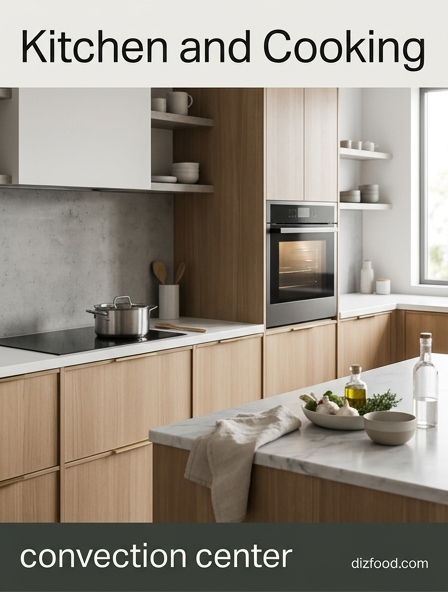
The Ultimate Countertop Convection Advantage
The modern countertop convection oven has revolutionized the way home cooks approach daily culinary tasks. Unlike traditional thermal ovens that rely on stationary heat, convection technology utilizes an internal fan to circulate hot air continuously around the food. This movement strips away the layer of cool air that typically surrounds a dish, resulting in significantly faster cooking times and more even heat distribution. This efficiency is especially beneficial in a compact kitchen setting where space is a premium but performance cannot be compromised.
By choosing a convection center over a standard toaster oven, you gain several key benefits:
- Reduced cooking times, often up to 30% faster than conventional methods.
- Superior browning and crisping due to constant airflow.
- Elimination of "cold spots" that lead to unevenly cooked meals.
- Lower energy consumption because the smaller cavity reaches temperature rapidly.
These units are designed to handle everything from delicate meringues to hearty roasts, providing the versatility of a full-sized oven on a much smaller footprint. The controlled environment allows for precise results, making it the preferred choice for those who value both speed and gastronomic quality in their daily routine.
Perfect Golden Brown Toasting Techniques
Achieving the perfect slice of toast is an art form that the convection center simplifies through specialized heating elements. When toasting, the unit balances quartz or ceramic elements to provide intense radiant heat while the fan ensures the moisture is wicked away from the surface of the bread. This creates a satisfying crunch while maintaining a soft, pillowy interior. Understanding rack placement is critical for success; the middle position is generally ideal for standard slices to ensure even exposure to the heating loops.
To master your morning routine, consider the following browning levels and their characteristics:
| Setting | Texture | Best For |
|---|---|---|
| Light | Soft, slightly warm | White bread, thin pastries |
| Medium | Crispy exterior, golden | Sourdough, whole wheat |
| Dark | Hard crunch, deep brown | Rye bread, dense grains |
Always avoid overcrowding the wire rack, as overlapping slices will result in "ghost marks" where the air cannot circulate. For the most consistent results, allow the unit a moment to cool between consecutive batches to prevent over-browning the second round of toast.
Effortless Breakfast Bagels and Pastries
Bagels and delicate pastries require a nuanced approach to heat that standard ovens often fail to provide. A quality convection center typically features a dedicated "Bagel" mode, which focuses the majority of the heat on the cut side of the bagel while gently warming the crust. This prevents the exterior from becoming dangerously hard while ensuring the interior achieves that sought-after toasted texture. For pastries like croissants or danishes, the convection fan mimics a professional bakery oven, lifting the layers of dough for maximum flakiness.
Follow these tips for superior breakfast results:
- Place bagels cut-side up on the center rack for even browning.
- Use a low fan speed for pastries to prevent them from drying out too quickly.
- Reheat leftover donuts or muffins for just two minutes to restore their "just-baked" feel.
- Avoid using heavy foil covers, which block the air circulation necessary for flaky crusts.
The speed of a countertop unit is particularly advantageous during busy mornings. Because the preheat time is negligible, you can transform a refrigerated pastry into a warm, buttery delight in less time than it takes to brew a pot of coffee, elevating the standard of your home breakfast experience.
Small Batch Baking for Gourmet Results
Baking in small batches is a perfect application for a convection center, allowing for fresh desserts without the waste of a full-sized tray. Whether you are baking six cookies, a small loaf of banana bread, or a single tart, the convection air ensures the edges are perfectly caramelized while the centers remain moist. The smaller cavity means the radiant heat is closer to the pans, which can lead to a better "oven spring" in breads and cakes. However, this proximity requires a slight adjustment in traditional recipes to prevent the tops from browning too quickly.
To achieve gourmet results in a small-scale environment, consider this workflow:
- Reduce the suggested recipe temperature by 25 degrees Fahrenheit.
- Check for doneness approximately five to ten minutes earlier than the recipe suggests.
- Use light-colored aluminum pans to reflect excess radiant heat.
- Rotate the pan halfway through the cycle, even with convection, to ensure absolute uniformity.
This method is ideal for experimental baking, allowing you to test flavors and textures without committing to large quantities. The precise temperature control of modern digital units ensures that even the most temperamental batters rise and set with professional consistency every time.
Roasting Vegetables in Half the Time
Roasting vegetables is where the convection center truly shines. The high-velocity air creates a "dry-fry" effect, evaporating surface moisture rapidly to trigger the Maillard reaction. This results in vegetables that are charred and sweet on the outside while remaining tender inside. Traditional ovens often steam vegetables if they are slightly crowded on a pan, but the constant airflow of a convection unit mitigates this issue, allowing for a better crunch. From Brussels sprouts to root vegetables, the process is streamlined and efficient.
The following table provides a guideline for roasting common vegetables at 400°F:
| Vegetable | Prep Style | Convection Time |
|---|---|---|
| Asparagus | Trimmed stems | 8-10 minutes |
| Broccoli | Small florets | 12-15 minutes |
| Carrots | Half-inch coins | 15-18 minutes |
| Potatoes | One-inch cubes | 20-25 minutes |
For the best results, toss your vegetables in a light coating of oil and salt before spreading them in a single layer. The circulating air will wrap around each piece, creating a uniform golden-brown crust that is difficult to achieve in a standard thermal oven without significant flipping and monitoring.
Crispy Reheating for Leftover Perfection
The microwave is often the enemy of texture, turning crispy leftovers into soggy disappointments. A convection center is the ultimate solution for reviving yesterday's meals, particularly fried foods, pizza, and roasted meats. By using the convection bake or air fry setting, the unit removes the moisture that has settled into the food during refrigeration, restoring the original crunch. This process not only improves the mouthfeel but also preserves the structural integrity of the food, making it taste as though it was just prepared.
To maximize the quality of your reheated meals, follow these simple steps:
- Use a wire rack over a baking sheet to allow air to reach the bottom of the food.
- Set the temperature lower (around 325°F) to heat the center without burning the exterior.
- Avoid stacking food; a single layer ensures every surface is exposed to the moving air.
- For pizza, place the slices directly on the wire rack for a crispier crust.
This method is particularly effective for items like french fries or breaded chicken, which are notoriously difficult to reheat. In just five to seven minutes, the convection air restores the fats and oils to a sizzling state, providing a dining experience that far surpasses any microwave-heated alternative.
Single Serving Savory Meat Entrees
Cooking meat for one or two people is more efficient and often more delicious in a convection center. Whether it is a seasoned salmon fillet, a thick-cut pork chop, or a pair of chicken thighs, the concentrated heat creates a beautiful sear while keeping the interior juicy. Because the oven cavity is small, the moisture released from the meat creates a slightly humid environment that prevents the proteins from drying out, while the fan ensures the skin or fat cap becomes perfectly rendered and crisp.
Consider these savory entree options for your next quick dinner:
- Herb-crusted salmon cooked at 375°F for 12 minutes.
- Marinated chicken thighs roasted at 400°F for 22 minutes until skin is crackling.
- Center-cut pork chops seasoned with dry rub, cooked at 350°F for 15 minutes.
- Small beef medallions seared on a preheated pan within the unit.
Using a meat thermometer is highly recommended, as the speed of convection cooking can sometimes catch a cook off guard. By monitoring the internal temperature, you can pull the meat at the exact moment of perfection. This approach eliminates the need to heat up a massive kitchen oven for a single plate, saving both time and cleanup effort.
Energy Efficient Daily Meal Preparation
In an era of rising utility costs and environmental consciousness, the energy efficiency of a convection center is a significant benefit. A standard wall oven can take 15 to 20 minutes just to reach 350°F, consuming a large amount of electricity or gas before the food even enters the chamber. In contrast, a countertop convection unit often reaches the same temperature in under five minutes. Because the volume of air being heated is much smaller, the unit requires less energy to maintain its temperature throughout the cooking process.
The energy-saving advantages are clear when comparing daily usage:
- Minimal preheating time reduces total appliance run-time.
- Lower operating wattage compared to full-sized electric ovens.
- Less heat is released into the kitchen, reducing the load on air conditioning during summer months.
- Faster cooking cycles mean the appliance is active for fewer minutes per meal.
By shifting most of your daily baking, roasting, and toasting to a countertop convection center, you can see a noticeable difference in your monthly energy bills. It is a practical choice for small households, seniors, or students who want to prepare high-quality meals without the overhead of operating heavy-duty kitchen appliances for every snack or entree.
Mastering Temperature Control for Even Cooking
Precision is the hallmark of a high-quality convection center. Digital sensors and PID controllers in modern units maintain much tighter temperature windows than older mechanical thermostats. However, mastering this tool requires understanding the "Convection Rule." Generally, because the air movement transfers heat more efficiently, you should reduce the cooking temperature by 25°F compared to traditional oven recipes. This prevents the exterior of your food from overcooking before the interior has reached the safe temperature or desired texture.
To ensure absolute accuracy in your cooking, keep the following factors in mind:
| Factor | Impact on Cooking | Adjustment Strategy |
|---|---|---|
| Fan Speed | High speed browns faster | Lower speed for delicate cakes |
| Rack Height | Top rack is hotter | Use middle rack for most items |
| Pan Type | Dark pans absorb heat | Use glass or shiny metal |
It is also wise to occasionally calibrate your unit using a secondary oven thermometer. Place the thermometer in the center of the rack and run a standard cycle to see if the internal temperature matches the digital display. Understanding these nuances allows you to bake delicate items like soufflés or custards with the same confidence you would have in a professional pastry kitchen.
Essential Maintenance for Peak Performance
To ensure your convection center continues to provide fast and even heat, regular maintenance is essential. Over time, grease and food particles can accumulate on the interior walls and the convection fan, which can lead to smoke or inefficient airflow. A clean oven not only performs better but is also safer. Most units feature a removable crumb tray at the bottom; this should be emptied after every use to prevent fire hazards and lingering odors that can affect the flavor of your food.
Follow this maintenance checklist to keep your unit in top condition:
- Empty the crumb tray daily to prevent buildup and smoke.
- Wipe the glass door with a non-abrasive cleaner to maintain visibility.
- Clean the wire racks and baking pans with warm soapy water after each use.
- Periodically wipe the interior walls with a damp cloth (ensure the unit is unplugged).
- Check the fan intake for any dust or obstructions that might hinder air movement.
Avoid using harsh chemical oven cleaners, as the heating elements in countertop units are often exposed and can be damaged by caustic sprays. By spending five minutes a week on basic upkeep, you preserve the longevity of the heating elements and ensure that the convection fan remains unobstructed, guaranteeing many years of reliable, high-performance cooking.

Comments