
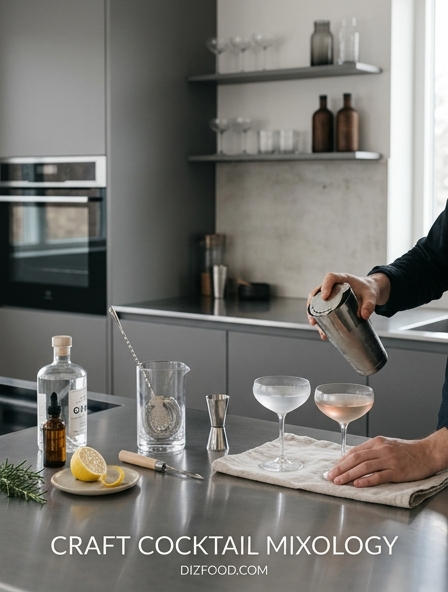
The Art of Liquid Performance
The craft of mixology transcends the simple act of pouring ingredients into a glass; it is a deliberate choreography performed within the heart of the home. When a host steps behind the kitchen island to prepare a complex beverage, they are not merely making a drink, but executing a refined display of skill and timing. This liquid performance requires an understanding of fluid dynamics, temperature control, and the physical properties of ice. The rhythmic snap of a metal shaker and the melodic chime of a long-stemmed spoon against a crystal mixing glass create a soundtrack that signals the beginning of a curated experience. Every movement must be intentional, from the precise measurement of bitters to the expressive snap of a citrus peel.
- The Weighted Shake: Creating a frothy texture through vigorous aeration.
- The Silent Stir: Maintaining clarity and density in spirit-forward drinks.
- The Double Strain: Ensuring a velvet-smooth finish without ice shards.
- The Expression: Releasing essential oils for an immediate aromatic greeting.
This mastery over tools and ingredients elevates the kitchen from a functional room to a space of high art, where the final product is a fleeting, consumable masterpiece.
Transforming Kitchens into Social Stages
Modern kitchen design has evolved to prioritize the "social stage," where the counter becomes a proscenium for the amateur and professional mixologist alike. As open-concept floor plans dominate contemporary homes, the kitchen island serves as a central altar for hospitality. By organizing bar tools and premium spirits in visible, accessible configurations, the host invites guests to gather and observe the creative process. This transformation shifts the focus from hidden preparation to open participation, making the act of creation as important as the consumption itself. Lighting plays a crucial role here, with pendants illuminating the workspace like spotlights on a theater stage.
- Clear the Worksurface: Remove utilitarian clutter to focus on the barware.
- Zone the Equipment: Group jiggers, strainers, and shakers for ergonomic flow.
- Curate the Backbar: Display unique bottles as a visual backdrop for the host.
- Adjust the Lighting: Dim peripheral lights to highlight the mixology station.
When the kitchen is staged correctly, the transition from daily meal preparation to evening entertainment feels seamless, turning a domestic environment into a vibrant, high-energy venue for connection and craft.
Sensory Impact of Mixology Artistry
The true power of craft mixology lies in its ability to engage all five senses simultaneously, creating a multi-dimensional experience that begins long before the first sip. In the kitchen, the air fills with the sharp zest of lime, the earthy depth of toasted botanicals, and the sweet resonance of homemade syrups. The visual appeal of a perfectly layered drink or the hypnotic swirl of smoke from a scorched rosemary sprig captures the eyes, while the tactile chill of a frosted coupe glass prepares the palate for the cold liquid within.
| Sensory Element | Mixology Technique | Atmospheric Result |
|---|---|---|
| Auditory | Hard shaking with large ice | Energizing, percussive rhythm |
| Olfactory | Flamed citrus oils | Immediate, bright aroma |
| Visual | Clear ice carving | Luxury and sophistication |
| Tactile | Chilled glassware | Perception of crispness |
By layering these sensory details, the mixologist crafts a memory rather than just a beverage. The kitchen becomes a laboratory of sensation where every element is fine-tuned to evoke a specific emotional response from the guest.
Craft Cocktails as Event Icebreakers
Introducing a craft cocktail program into a kitchen gathering serves as a natural catalyst for conversation. The unique nature of bespoke drinks provides guests with an immediate topic of interest, breaking the initial social friction often found at the start of an event. As guests watch a host manipulate unusual ingredients-such as elderflower liqueurs, activated charcoal, or hibiscus tinctures-the mystery of the process sparks questions and shared observations. This interactive element bridges the gap between different social circles, as guests compare flavor notes and discuss the origins of specific spirits. Unlike pre-poured wine or bottled beer, a handcrafted cocktail feels like a personalized gift, acknowledging the guest's presence through the time and effort spent on its creation. The ritual of clinking glasses, filled with vibrant colors and innovative garnishes, solidifies the bond of the group, setting a tone of curiosity and appreciation for the remainder of the evening.
The Visual Spectacle of Shaking and Stirring
The physical techniques of shaking and stirring provide a visual spectacle that defines the energy of a kitchen-based bar. Shaking is an athletic, high-energy movement that creates a dramatic "frost" on the outside of the tins, signaling to everyone in the room that a cold, aerated drink is imminent. Conversely, the stir is a study in grace and precision, utilizing a long, twisted bar spoon to move ice through liquid with minimal noise and maximum elegance. This contrast in motion allows the host to control the "tempo" of the party, using the vigorous shake to ramp up excitement or the methodical stir to maintain a sophisticated, calm ambiance.
- The Boston Shaker: Two-piece tin set for maximum aeration and visual flair.
- The Yarai Mixing Glass: A heavy, etched vessel that showcases the clarity of the spirit.
- The Julep Strainer: An elegant, perforated spoon used for stirred drinks.
- The Cobbler Shaker: An all-in-one classic tool for traditional presentation.
These techniques are the visual language of mixology, communicating a sense of expertise and dedication to the craft that captivates observers.
Elevating Atmosphere Through Signature Drinks
A signature drink acts as the thematic anchor for any kitchen event, reflecting the personality of the host or the specific purpose of the gathering. By narrowing the focus to one or two masterfully prepared cocktails, the host can ensure consistency and quality while creating a cohesive atmosphere. Whether it is a refreshing botanical spritz for a summer afternoon or a deep, smoky infusion for a winter dinner, the signature drink dictates the mood. It allows the kitchen to transition from a utilitarian space to a thematic lounge. To effectively elevate the atmosphere, the host should consider the following steps:
- Theme Alignment: Matching drink flavors to the event's cuisine or season.
- Custom Menus: Providing a small, printed card detailing the drink's profile.
- Pre-batched Bases: Ensuring speed of service without sacrificing the "finish."
- Unique Vessels: Using non-traditional glassware to reinforce the theme.
The presence of a dedicated signature cocktail demonstrates a level of forethought that makes guests feel valued and immersed in a curated environment.
Interactive Mixology for Guest Engagement
Transforming guests from passive observers into active participants is the pinnacle of kitchen mixology. Interactive "build-your-own" stations or guided mini-lessons allow guests to explore their own palates while learning the fundamentals of balance-sweet, sour, bitter, and strong. This hands-on approach removes the intimidation factor of craft cocktails and fosters a sense of play within the kitchen. Guests take pride in their creations, leading to increased engagement and a more memorable experience. By providing a variety of modifiers and garnishes, the host empowers visitors to express their individual tastes.
| Component | Options for Guests | Role in Balance |
|---|---|---|
| Base Spirit | Gin, Vodka, Tequila | Foundation / Strength |
| Acid | Lemon, Lime, Grapefruit | Brightness / Structure |
| Sweetener | Honey, Agave, Simple Syrup | Body / Softness |
| Aromatics | Mint, Basil, Thyme | Top-note / Complexity |
This educational and social exchange turns the kitchen into a hub of discovery, where the boundary between host and guest is softened through shared creativity.
Modern Kitchens as Mixology Hubs
The architecture of the modern kitchen is increasingly influenced by the requirements of professional-grade mixology. Dedicated "wet bars," integrated ice makers that produce crystal-clear cubes, and specialized refrigeration for glassware are becoming standard features in luxury homes. This evolution reflects a shift in lifestyle where the kitchen is no longer just for cooking, but a high-functioning hub for liquid artistry. Countertops are selected for their resistance to citrus acids and alcohol spills, while deep sinks allow for the quick disposal of spent ice and fruit. Lighting is often zoned to provide a "dimmer" lounge feel at the island while maintaining bright task lighting at the preparation areas. These design choices facilitate a professional workflow, allowing the home bartender to move with efficiency and grace. By treating the kitchen as a mixology hub, homeowners create a permanent infrastructure for hospitality, ensuring they are always prepared to host an impromptu cocktail hour with the same level of sophistication as a high-end commercial bar.
The Theatrical Flair of Garnish and Glassware
The final aesthetic of a cocktail is defined by the theatricality of its presentation, specifically the choice of glassware and the application of garnishes. In a kitchen setting, the "reveal" of the drink is the most photographed moment of the night. Glassware acts as the frame for the liquid art, with different shapes serving both functional and stylistic purposes. A tall, slender Collins glass emphasizes the bubbles in a carbonated drink, while a wide, shallow coupe highlights the delicate foam of a shaken sour. Garnishing is the "special effects" department of mixology, adding color, height, and concentrated aroma.
- The Dehydrated Wheel: A sophisticated, shelf-stable visual touch.
- The Herb Bouquet: Providing a forest-like aroma with every sip.
- The Expressed Twist: A classic technique for oils and elegance.
- The Edible Flower: Adding a pop of color and organic beauty.
These finishing touches serve as the signature of the mixologist, turning a standard drink into a bespoke creation that commands attention and admiration.
Creating Vibrant Energy with Bespoke Spirits
The heart of a truly unique kitchen bar lies in the use of bespoke spirits and custom infusions. By moving beyond mass-produced bottles and creating house-made ingredients, a host can offer flavors that cannot be found anywhere else. This process begins weeks before an event, with the infusion of spirits using fruits, spices, or even savory elements like peppercorns or serrano peppers. The presence of these custom bottles on the counter creates an aura of "alchemy" and exclusivity. The energy of the room is heightened when guests realize they are tasting something truly original. To build this vibrant energy, the mixologist can follow a structured approach to spirit customization:
- Flavor Mapping: Deciding on a complementary profile for the base spirit.
- Maceration: Allowing the ingredients to steep until the desired intensity is reached.
- Filtration: Removing solids to ensure a clear, shelf-stable liquid.
- Labeling: Presenting the bespoke spirit in a beautiful, hand-labeled bottle.
This dedication to the "long game" of mixology ensures that every drink served is a testament to the host's creativity and passion for the craft.

Comments