
The Social Heart of the Kitchen
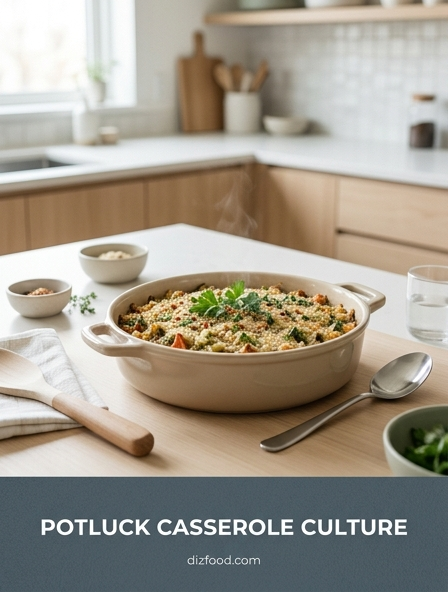
The kitchen has long been the pulse of the home, but the rise of potluck casserole culture has transformed it into a vibrant community hub. In these spaces, the focus shifts from a solitary cook managing a complicated menu to a collective effort where everyone contributes a piece of the puzzle. This shared responsibility removes the traditional barriers of formal hosting, allowing the kitchen to become a place of laughter and authentic interaction rather than just food production.
When guests arrive with warm dishes wrapped in towels, the kitchen environment immediately softens. The clink of silverware and the steam rising from various glass baking dishes create an atmosphere of abundance and inclusivity. This cultural shift emphasizes that the value of a meal lies not in its gourmet complexity, but in the hands that prepared it and the stories shared over the counter. In this context, the kitchen serves as the social heart, where the act of nourishing others becomes a shared language that transcends the simple mechanics of eating, fostering deep-rooted connections between neighbors and friends.
Stress Free Hosting Through Shared Tasks
Traditional dinner parties often place an immense burden on the host, leading to exhaustion rather than enjoyment. Potluck casserole culture disrupts this dynamic by distributing the labor and financial cost across the entire group. By sharing tasks, the host is liberated from the "performance" of hospitality and can instead participate fully in the social experience. This collaborative model ensures that the evening is sustainable for everyone involved.
- Main Course Coordination: Ensuring a variety of proteins and starches without overlap.
- Beverage Management: Assigning guests to bring pairings that complement a range of flavors.
- The Side Dish Spectrum: Balancing heavy casseroles with fresh salads or acidic garnishes.
- Cleanup Duty: Distributing the post-meal organization so the host isn't left with a mountain of dishes.
This division of labor transforms the event from a high-pressure obligation into a lighthearted gathering. When everyone has a stake in the meal's success, the atmosphere remains relaxed, and the host can focus on facilitating conversation rather than managing a timer in the oven.
Designing Spaces for Collective Cooking
Modern kitchen design is increasingly reflecting the needs of communal cooking and potluck gatherings. Gone are the days of the "work triangle" intended for a single domestic worker; today's kitchens prioritize flow and multiple workstations. To accommodate the casserole culture, spaces now feature wider walkways and integrated storage for large-format baking dishes. High-performance ovens with multiple racks are essential for reheating various contributions simultaneously, ensuring everything hits the table at the right temperature.
Countertop real estate is the most valuable asset in a communal kitchen. Designers are opting for durable, heat-resistant materials like quartz or soapstone that can handle hot ceramic dishes straight from the oven. Additionally, the inclusion of "landing zones"-dedicated areas for incoming dishes-prevents bottlenecks during the arrival phase of a party. By incorporating secondary sinks and multiple trash pull-outs, the kitchen becomes a maneuverable space where three or four people can prep or plate at once without colliding. This architectural evolution supports the social philosophy of the potluck, making the environment as welcoming as the food itself.
Building Bonds Over Meal Preparation
There is a unique intimacy found in the final stages of meal preparation that occurs during a potluck. As guests gather in the kitchen to garnish their casseroles or slice bread, the physical proximity fosters a special kind of bonding. These "in-between" moments-the minutes spent searching for a serving spoon or adjusting the seasoning-provide opportunities for low-stakes, high-quality conversation that rarely happens at a formal table. It is during these informal interactions that the strongest communal ties are often forged.
Sharing a recipe or explaining the history of a specific casserole dish often leads to deeper discussions about family heritage and personal memories. One person might bring a cheesy potato bake passed down through three generations, while another introduces a modern, plant-based twist on a classic comfort food. This exchange of culinary knowledge turns the kitchen into a classroom and a storytelling arena. By the time the group moves to the dining area, the ice has already been broken, and the meal becomes a celebration of the collective history and effort represented in each steaming dish.
The Rise of the Communal Kitchen Island
The kitchen island has evolved from a simple prep station into the ultimate stage for the modern potluck. It serves as the physical anchor of the room, acting as both a buffet line and a casual seating area where guests can hover and graze. Its central location allows for a 360-degree flow, preventing the "cornering" effect that often happens in smaller, u-shaped kitchens. This accessibility is vital for a successful casserole-style gathering.
| Feature | Potluck Benefit |
|---|---|
| Overhang Seating | Allows guests to talk to the "chef" without being in the way. |
| Integrated Outlets | Perfect for keeping slow cookers and warming trays active. |
| Expansive Surface | Accommodates a wide array of 9x13 dishes and serving platters. |
| Under-counter Storage | Quickly hides empty transport containers and lids. |
Because the island is often the largest flat surface in the home, it naturally dictates the rhythm of the party. It encourages a "help yourself" mentality that is central to the casserole culture, breaking down the formal barriers between server and served.
Mindful Hosting for Stronger Communities
In a world of diverse dietary needs and ethical eating, potluck culture requires a mindful approach to ensure everyone feels included at the table. Mindful hosting involves more than just providing a space; it requires clear communication and a focus on transparency. When a community gathers to share casseroles, the goal is to nourish everyone, regardless of their sensitivities or preferences. This intentionality strengthens the communal bond by demonstrating respect for each individual's well-being.
- Ingredient Labeling: Providing small cards for guests to list allergens like gluten, dairy, or nuts.
- Balanced Options: Encouraging a mix of indulgent comfort foods and nutrient-dense, plant-forward dishes.
- Sustainable Serving: Utilizing reusable ceramic dishes instead of disposable aluminum to reduce waste.
- Inclusive Language: Focusing on what people *can* eat rather than highlighting restrictions.
This practice of mindfulness transforms a simple dinner into an act of care. It ensures that the kitchen remains a safe and welcoming space for all, where the focus stays on the joy of connection rather than the anxiety of navigating a menu. By being proactive, hosts and guests build a culture of mutual support.
Breaking Bread with Collaborative Dining
The act of "breaking bread" takes on a literal meaning in a collaborative dining environment. When the meal is a collection of various people's efforts, the dining experience becomes a democratic exploration of flavors. Unlike a catered event where the menu is static, a potluck is a dynamic reflection of the group's current tastes and seasonal availability. This variety encourages guests to try new things and engage in "culinary diplomacy," praising the efforts of their peers and discovering new favorite combinations.
Collaborative dining also levels the social playing field. Because no single person is responsible for the entire spread, there is no hierarchy of service. Everyone is a contributor and everyone is a guest. This horizontal social structure encourages more open communication and a sense of shared ownership over the evening's success. As people pass heavy casserole dishes around the table, the physical act of sharing reinforces the social contract of the community. The table becomes a place where differences are set aside in favor of a shared, multi-faceted feast that reflects the richness of the group itself.
Transforming Kitchen Stress into Social Joy
The pressure to host a "perfect" event can often drain the joy out of cooking. Casserole culture offers a powerful antidote to this perfectionism by embracing the rustic, the mismatched, and the homemade. When the goal is communal connection rather than aesthetic flawlessness, the kitchen environment changes from a high-stakes theater to a playground of social joy. Shifting the mindset from "managing an event" to "sharing a moment" is the key to this transformation.
- Lower the Stakes: Accept that not every dish will be a masterpiece, and that is okay.
- Embrace the Mess: Realize that a kitchen full of empty dishes is a sign of a successful gathering.
- Prioritize Presence: Focus on being available for conversation rather than stuck at the stove.
- Iterative Improvement: Use each potluck as a way to learn more about your friends' preferences for next time.
By following these steps, the host can reclaim the kitchen as a source of energy rather than exhaustion. The relief that comes from knowing you only have to make one great dish allows you to invest your emotional energy into the people standing right in front of you.
Principles of Inclusive Dinner Parties
Inclusivity is the cornerstone of a successful potluck casserole culture. To ensure that every guest feels truly seen and valued, certain principles should be integrated into the planning process. An inclusive dinner party goes beyond just having enough chairs; it creates an environment where physical and emotional comfort are prioritized for every participant. This starts in the kitchen and extends to every corner of the home.
- Accessibility: Ensuring the kitchen and dining layout allows for easy movement for all guests.
- Dietary Diversity: Actively inviting dishes that cater to vegan, keto, or halal requirements.
- Financial Sensitivity: Making sure that "bringing a dish" doesn't become a financial burden for anyone.
- Cultural Respect: Encouraging guests to bring dishes that represent their personal or ethnic identities.
When these principles are applied, the potluck becomes a beautiful tapestry of the community. It sends a message that everyone is welcome exactly as they are. This inclusivity fosters a deeper sense of belonging, as guests see their own needs and cultures reflected in the spread of food on the communal table.
Fostering Connection Beyond the Plate
The impact of a casserole-focused gathering often lingers long after the last dish has been washed and returned to its owner. These events create a ripple effect of connection that extends into the daily lives of the participants. The kitchen acts as the starting point for friendships that might never have formed in a more formal or individualistic setting. By sharing the "work" of hospitality, guests build a foundation of trust and mutual reliance that strengthens the overall fabric of the neighborhood or social group.
Often, these gatherings lead to the creation of digital recipe groups, future meal trains for members in need, or simply a greater willingness to pop over for a quick cup of coffee. The casserole dish itself becomes a symbol of this ongoing relationship-a vessel that is meant to be filled, shared, emptied, and returned. Ultimately, the culture of the communal kitchen teaches us that we are better together. It reminds us that while food is the excuse for the gathering, the true nourishment comes from the enduring bonds we build while standing side-by-side in the heart of the home.




Comments