
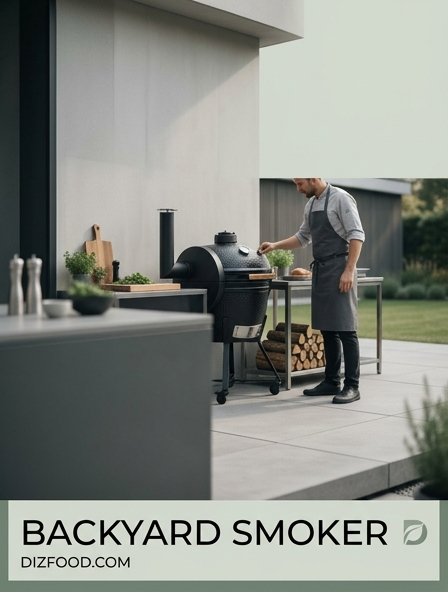
The Heart of the Backyard Gathering
The backyard smoker serves as the undisputed centerpiece of the modern outdoor kitchen, acting as a gravitational force that pulls friends and family together. Unlike a standard grill designed for quick searing, the smoker demands a slower pace of life, transforming a simple meal into a day-long event. As the thin blue smoke curls from the chimney, it signals a commitment to craft and patience. This vessel of heat and steel creates an atmosphere where conversations flow as freely as the aromas of slow-roasting hardwoods and seasoned proteins.
- Fosters a sense of community through shared culinary anticipation.
- Encourages a mindful, slow-paced approach to food preparation.
- Acts as a focal point for outdoor living space design.
- Creates a sensory bridge between the comfort of home and the wildness of fire.
Ultimately, the smoker is more than a tool; it is a ritualistic device. It turns the backyard into a sanctuary of flavor, where the host transitions from a mere cook to a guardian of the flame. The communal experience of checking the temperature and eventually witnessing the big reveal of a finished brisket is what truly defines the spirit of backyard hospitality.
Selecting Wood Varieties for Complex Profiles
Choosing the right fuel is perhaps the most critical decision for any pitmaster, as the wood is essentially an invisible seasoning. Different species of timber impart distinct chemical compounds that bond with the moisture on the meat's surface, creating a unique flavor profile that ranges from subtle sweetness to aggressive pungency. Hardwoods like oak and hickory provide a robust foundation, while fruitwoods offer a lighter, more delicate finish suitable for poultry or pork.
| Wood Type | Flavor Intensity | Best Food Pairings |
|---|---|---|
| Hickory | Strong / Bacon-like | Ribs, Pork Shoulder |
| Apple | Mild / Sweet | Chicken, Fish |
| Oak | Medium / Versatile | Beef Brisket, Lamb |
| Mesquite | Very Strong / Earthy | Steaks, Texas-style BBQ |
It is vital to ensure the wood is properly seasoned, meaning it has a moisture content below twenty percent. Green wood produces thick, acrid white smoke that can ruin a cook with a bitter creosote aftertaste. By balancing different varieties, such as mixing cherry for color and oak for heat, you can develop a signature smoke profile that is impossible to replicate in a traditional indoor kitchen.
Mastering Fire Management and Temperature Control
Effective fire management is the heartbeat of successful smoking. It requires a delicate dance between fuel and oxygen, where the goal is to maintain a steady, clean-burning fire. Fluctuations in temperature can lead to uneven cooking or, worse, a "stalled" piece of meat that loses its structural integrity. The key is to manage the airflow through the intake and exhaust vents rather than constantly adding more charcoal or wood.
- Establish a solid coal bed using a chimney starter for a clean ignition.
- Adjust the lower intake vent to control the volume of oxygen reaching the fire.
- Keep the upper exhaust vent mostly open to prevent stale smoke from lingering.
- Add small, pre-heated wood splits to maintain a consistent temperature without spikes.
One of the most common mistakes is "choking" the fire to lower the temperature, which leads to incomplete combustion and bitter soot. Instead, focus on the size of the fire itself. A small, hot fire is always preferable to a large, smoldering one. Consistency is the hallmark of a master pitmaster, ensuring that the meat undergoes a steady transformation without being shocked by thermal instability.
Secrets to Achieving a Perfect Bark
The "bark" is the dark, flavorful, and slightly crunchy exterior that forms on smoked meats, resulting from a complex interplay of the Maillard reaction, caramelization, and smoke deposition. To achieve a superior bark, one must balance surface moisture with dry seasoning. A common misconception is that a wet surface helps; however, a dry exterior allows the smoke particles to adhere more effectively to the protein fibers and fats.
As the fat renders, it mixes with the rub to create a paste. Over several hours, the heat evaporates the moisture in this paste, leaving behind a concentrated crust of spice and smoke. The "stall"-a period where the internal temperature plateaus-is a critical phase for bark formation. While some choose to wrap the meat in foil to speed up the process, doing so can soften the bark. Pitmasters often opt for butcher paper, which protects the meat from drying out while remaining breathable enough to preserve that coveted, crusty texture. The final result should be mahogany or black in color, packed with umami, and resistant to the touch without being burnt.
Infusing Soul into Every Low and Slow Session
Smoking meat is an exercise in the philosophy of "low and slow," a technique that requires the cook to relinquish control over time. This method is essential for breaking down tough connective tissues like collagen into succulent gelatin. When the temperature remains low, typically between 225 and 250 degrees Fahrenheit, the fibers have the luxury of time to soften without seizing up and becoming dry. This slow transformation is where the "soul" of the dish is born.
This process cannot be rushed with higher heat; doing so only results in a charred exterior and a chewy interior. There is a meditative quality to the long hours spent tending the pit, checking the humidity, and watching the color evolve. It requires an intuitive understanding of the meat's progress, often relying on feel rather than just a thermometer. This dedication to the craft ensures that every bite is a reflection of the effort invested. The patience required for a twelve-hour smoke session translates directly into the depth of flavor and the emotional satisfaction of the final meal served to guests.
The Social Magic of Open Air Cooking
Cooking outdoors removes the barriers inherent in a traditional indoor kitchen, turning the act of food preparation into a spectator sport. In the open air, the smoker becomes a natural gathering point where the boundaries between the chef and the guests vanish. The aromatic trail of hickory or fruitwood acts as a beacon, drawing neighbors and friends into the culinary narrative. This environment encourages participation, whether it is helping to spritz the meat or simply debating the merits of different sauce regions.
- Enhances the sensory experience through natural light and fresh air.
- Reduces the stress of indoor cleanup and ventilation issues.
- Provides a relaxed setting for long-form social interaction.
- Connects the meal to the seasons and the local environment.
The social magic lies in the communal wait. Because the food takes hours to reach perfection, the event is defined by the journey rather than just the destination. It fosters a unique kind of hospitality where the environment is as important as the protein, creating memories that are seasoned with the smell of woodsmoke and the sounds of laughter under the open sky.
Essential Rubs and Aromatics for Deep Flavor
A great rub is the foundation upon which the smoke builds its complexity. It serves as the primary seasoning agent and the catalyst for bark formation. Most traditional rubs follow a specific ratio of salt, pepper, and sugar, but the addition of aromatics like garlic powder, onion powder, and paprika provides the necessary depth. The salt penetrates the meat to season it deeply, while the sugar caramelizes on the surface to help develop color.
| Component | Function | Common Examples |
|---|---|---|
| Base | Standard Seasoning | Kosher Salt, Coarse Black Pepper |
| Color | Visual Appeal | Smoked Paprika, Chili Powder |
| Sweetener | Caramelization | Brown Sugar, Turbinado Sugar |
| Aromatics | Depth of Flavor | Garlic, Cumin, Mustard Powder |
Applying a "binder," such as a thin layer of yellow mustard or olive oil, helps the rub adhere to the meat without significantly altering the flavor. This creates an even coating that ensures every slice contains a balanced burst of spice and smoke. Customizing these blends allows a backyard cook to experiment with regional styles, moving from the peppery simplicity of Central Texas to the sweet and spicy profiles of Memphis or Kansas City.
Understanding the Science of the Smoke Ring
The smoke ring-a pink layer of meat just beneath the surface-is one of the most prized visual markers in the world of barbecue. Contrary to popular belief, this ring is not actually caused by the smoke "soaking in," but rather by a chemical reaction between nitrogen dioxide in the wood smoke and myoglobin in the meat. When these two meet, they form a stable pink pigment that prevents the meat from turning brown during the cooking process.
- Myoglobin in the muscle tissue reacts with carbon monoxide and nitric oxide.
- The reaction occurs most effectively on cold, moist surfaces.
- As the meat reaches 140 degrees Fahrenheit, the pigment becomes fixed.
- The depth of the ring is influenced by wood type and moisture levels.
While a deep smoke ring does not technically add flavor, it is a testament to a well-managed fire and a moist environment. To maximize this effect, many pitmasters keep the meat cold until the moment it hits the smoker and use a water pan to maintain high humidity. It is the ultimate badge of honor, signaling a professional-level execution of the smoking process.
Curating an Outdoor Kitchen Experience
A backyard smoker is most effective when integrated into a well-thought-out outdoor kitchen layout. The workflow should mirror an indoor kitchen, with designated zones for preparation, cooking, and cleaning. Having a sturdy prep table near the smoker allows for last-minute rub adjustments or the wrapping of meats without having to run back and forth to the house. Ergonomics play a vital role; the smoker should be positioned to account for wind direction, ensuring that smoke is carried away from guests while remaining accessible to the cook.
Lighting is another crucial element for those late-night or early-morning sessions. Task lighting over the smoker helps in monitoring the color of the bark, while ambient lighting creates a welcoming atmosphere for evening gatherings. Storage for fuel, such as a dry wood rack or a weather-proof charcoal bin, keeps the workspace organized and efficient. By treating the smoker as part of a larger ecosystem-complete with a nearby sink, cold storage for beverages, and plenty of counter space-the pitmaster can remain part of the social circle while meticulously managing the fire.
Resting and Slicing for Maximum Tenderness
The final, and perhaps most overlooked, step in the smoking process is the rest. After hours of intense heat, the muscle fibers are tight and the juices are concentrated in the center of the meat. Slicing immediately would cause these juices to flood the cutting board, leaving the meat dry and tough. By allowing the protein to rest in an insulated environment, such as a cooler or a low-temperature oven, the fibers relax and reabsorb the moisture, resulting in a buttery texture throughout.
- Wrap the meat in butcher paper or foil to retain heat and moisture.
- Place it in a "faux cambro" (an empty cooler) for at least one to four hours.
- Identify the grain direction of the muscle before making the first cut.
- Use a sharp, scalloped slicing knife to cut against the grain for maximum tenderness.
The thickness of the slice also matters; for brisket, a pencil-width slice is the gold standard for structural integrity and mouthfeel. Proper slicing ensures that the collagen-rich sections pull apart with minimal effort, showcasing the culmination of the slow-cooking process. A patient rest is the difference between a good meal and a legendary one.




Comments