
Ever wondered why some containers still leak even when they claim to be airtight? The real secret to a mess-free lunch lies in individual silicone seals. Unlike a standard lid that simply rests over a container, individual seals create a custom, pressurized barrier for every single compartment. This specialized design ensures that wet ingredients like yogurt or dip won't mingle with your dry crackers, preserving both flavor and crisp texture throughout the day. It provides the ultimate peace of mind for commuters and parents by preventing stubborn spills. When deciding on the best container for your routine, it is essential to compare a Bento Style Snack Box Vs Divided Tupperware to see which offers the best leak-proof protection.
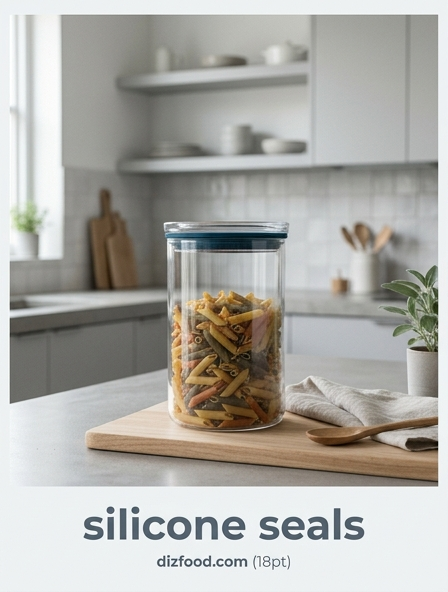
The Science of Airtight Silicone Seals
The efficacy of silicone seals in modern kitchenware stems from the unique molecular structure of silicone polymers. Unlike traditional rubber, silicone maintains a high degree of elasticity across a vast temperature range, allowing it to conform perfectly to the rim of a container. When a lid is pressed down, the silicone gasket undergoes compression, filling microscopic irregularities in the mating surfaces. This physical displacement creates a vacuum-tight environment by excluding ambient air.
This hermetic sealing capability is measured by the material's shore hardness and its ability to resist permanent deformation, known as "compression set." A high-quality seal ensures that neither gases nor moisture can penetrate the barrier, which is essential for preventing the degradation of sensitive food items. The science involves balancing flexibility with structural integrity to ensure the seal remains airtight even after thousands of uses.
- Thermal Stability: Functions effectively from -40°C to 230°C.
- Surface Energy: Low surface energy helps repel liquids and prevents sticking.
- Polymer Density: High-density cross-linking ensures long-term durability and air resistance.
Benefits of Leak-Proof Snacking Containers
Modern snacking habits demand portability and reliability, making leak-proof containers a staple in the contemporary kitchen. The integration of silicone seals into small-form storage allows users to carry liquid-heavy snacks, such as yogurt, hummus, or fruit salads, without the risk of ruining bags or upholstery. These seals act as a secondary defense mechanism, ensuring that even if a container is jostled or inverted during transit, the contents remain securely contained.
Beyond simple containment, these systems offer a level of confidence that encourages healthier eating habits. By removing the fear of messy spills, individuals are more likely to pack fresh, homemade snacks rather than relying on pre-packaged, processed alternatives. The precision fit of the silicone gasket ensures that the pressure within the container remains equalized, preventing "burping" or accidental lid detachment during altitude changes or temperature fluctuations.
- Enhanced Portability: Safely carry dressings and dips in a backpack or briefcase.
- Texture Preservation: Keeps crunchy snacks dry and moist snacks hydrated.
- Odor Containment: Prevents strong food smells from escaping into shared spaces.
Preserving Food Freshness with Silicone Barriers
The primary enemy of food preservation is oxidation. When food is exposed to oxygen, enzymes and microorganisms begin the process of decomposition, leading to staleness, browning, and loss of nutritional value. Silicone seals create an impenetrable barrier that halts this process by locking in the internal atmosphere. This is particularly vital for dry goods like coffee beans, flour, and cereal, which are highly susceptible to humidity and air exposure.
By utilizing a silicone-sealed container, the shelf life of perishables can be extended significantly. For example, leafy greens kept in a vacuum-sealed environment remain crisp for days longer than those in standard plastic bags. The inert nature of silicone ensures that no chemical odors or tastes are transferred to the food, preserving the original flavor profile of the ingredients. This level of preservation reduces food waste and ensures that bulk purchases remain fresh until the final serving.
| Food Type | Standard Storage | Silicone Sealed |
|---|---|---|
| Berries | 2-3 Days | 7-10 Days |
| Leafy Greens | 3-4 Days | 10-14 Days |
| Dry Crackers | 1 Week | 1 Month+ |
Preventing Messy Spills in Kitchen Storage
A well-organized kitchen is often undermined by sticky residues and liquid leaks within pantries and refrigerators. Silicone seals serve as the ultimate insurance policy against these common household frustrations. In vertical storage systems, where containers are often stacked, a failure in a lid seal can lead to a cascading mess that affects multiple shelves. Silicone gaskets provide a high-friction, pressurized fit that keeps liquids like oils, syrups, and soups exactly where they belong.
The tactile feedback of a silicone seal-often felt as a distinct "pop" or firm resistance when closing-gives the user immediate confirmation of a secure lock. This is especially beneficial for households with children or elderly members, where manual dexterity might fluctuate. By eliminating the possibility of accidental spills, silicone seals minimize the time spent on deep-cleaning kitchen surfaces and prevent the cross-contamination of ingredients that occurs when liquids migrate between containers.
- Prevents sticky rings on pantry shelves.
- Protects against insects and pests attracted to spills.
- Reduces the need for harsh chemical cleaners in storage areas.
The Durability of Individual Seal Replacements
One of the most sustainable aspects of high-quality kitchenware is the ability to maintain and repair items rather than discarding them. Silicone seals are designed for longevity, yet they are often the component subjected to the most physical stress. Over years of use, extreme heat cycles in dishwashers or accidental nicks from utensils can compromise a seal's integrity. Fortunately, many premium brands offer individual replacement gaskets, which restores the container to its original factory-spec performance.
This modular approach to kitchen maintenance is both cost-effective and environmentally friendly. Replacing a single silicone ring is a fraction of the cost of a new glass or stainless steel container. Because silicone is highly resistant to cracking and UV degradation, these replacements often last for several more years of daily use. Recognizing when a seal has lost its elasticity is key; a simple "pinch test" or visual inspection for discoloration can help determine when it is time to swap the old gasket for a fresh, precision-engineered replacement.
Optimizing Meal Prep with Precision Sealing
Meal prepping is an exercise in efficiency and timing. For those who cook in bulk on weekends, the success of the week's meals depends entirely on how well the food is stored. Precision silicone seals allow for "active" storage, where meals can be moved from the freezer to the microwave or oven without removing the lid (provided there is a steam vent). The seal prevents the transfer of "freezer burn," which occurs when air reaches the surface of frozen food and dehydrates it.
Furthermore, precision sealing allows for the effective isolation of flavors. In a refrigerator filled with various prepped ingredients, the silicone barrier ensures that the pungent aroma of sliced onions does not migrate to a delicate vanilla pudding. This isolation is critical for maintaining the professional quality of home-cooked meals. By utilizing color-coded seals or transparent lids with robust gaskets, meal preppers can easily organize their nutritional intake while ensuring every bite is as fresh as the moment it was prepared.
- Batch Cooking: Keeps large portions fresh for the entire week.
- Flavor Integrity: Prevents cross-contamination of tastes and smells.
- Space Efficiency: Allows for stable stacking of liquid-filled containers.
Sustainable Storage Solutions for Daily Snacking
The move toward a zero-waste kitchen has highlighted the importance of durable, reusable components. Single-use plastics, such as cling wrap and sandwich bags, are primary contributors to landfill waste. Silicone seals offer a superior, sustainable alternative that can be reused thousands of times. By providing a reliable airtight environment, silicone-equipped containers eliminate the need for disposable wraps entirely, offering a cleaner and more eco-friendly way to manage daily snacking needs.
Sustainability also relates to the lifespan of the material itself. Unlike cheap plastics that leach chemicals or become brittle over time, food-grade silicone is an inert material that does not shed microplastics into the food supply. Investing in containers with high-quality silicone gaskets means fewer products purchased over a lifetime. This shift toward "slow" kitchenware-items built to last and be repaired-is a cornerstone of modern environmental stewardship, allowing consumers to reduce their carbon footprint while enjoying the benefits of superior food technology.
How Silicone Seals Enhance Food Safety
Food safety is a paramount concern in any kitchen, and silicone seals play a vital role in maintaining a hygienic environment. Because silicone is non-porous, it does not harbor bacteria, mold, or yeast in the same way that traditional rubber or porous plastics do. When properly cleaned, the seal remains a sterile barrier against external pathogens. This is particularly important for storing raw proteins or dairy products, where microbial growth must be strictly controlled.
Additionally, high-quality silicone is hypoallergenic and free from harmful chemicals like BPA, BPS, and phthalates. This ensures that even under heat or pressure, no toxins leach into the food. The physical barrier created by the seal also prevents "cross-contact" in households with severe food allergies. By locking the lid tight, microscopic particles of allergens like peanuts or gluten are prevented from escaping and contaminating other surfaces or food items, providing peace of mind for families with sensitive dietary requirements.
- Non-Porous: Resists the growth of mold and mildew.
- Chemical Inertness: No leaching of synthetic estrogens or toxins.
- Allergen Control: Provides a physical lock against cross-contamination.
Maintaining Your Leak-Proof Storage Systems
To ensure the longevity of silicone seals, a consistent maintenance routine is necessary. While most silicone components are dishwasher safe, the high-pressure environment of a dishwasher can sometimes lodge food particles behind the gasket. Periodically removing the seal from the lid for a deep clean is recommended. Soaking the seals in a mixture of warm water and mild vinegar can help remove any lingering odors from pungent foods like garlic or curry, restoring the seal to its neutral state.
Inspection is the second pillar of maintenance. Users should regularly check for signs of wear, such as stretching, thinning, or small tears. A seal that has become stretched will no longer provide the necessary compression for an airtight fit. When reassembling the container, ensure the seal is seated flat and even within the groove; a twisted gasket is a common cause of unexpected leaks. Proper care ensures that the mechanical advantage of the silicone remains consistent, protecting your investment and your food for years to come.
The Future of Efficient Kitchen Organization
The evolution of kitchen organization is trending toward modularity and smart integration. Future designs are incorporating "smart" silicone seals that change color to indicate a loss of vacuum pressure or a change in internal temperature. As living spaces become smaller and more streamlined, the need for storage that can perform multiple functions-serving as both a cooking vessel and a long-term storage unit-is increasing. Silicone seals are at the heart of this transition, providing the flexibility needed for multi-use kitchenware.
We are also seeing an increase in the customization of sealing systems. Universal silicone lids that can stretch over various container sizes are becoming more robust, reducing the need for specific lid-and-base pairings. This minimalism reduces clutter and increases the efficiency of meal preparation. As material science advances, we can expect silicone-hybrid seals that are even more resistant to odors and staining, further cementing their role as the gold standard for food preservation and organizational efficiency in the modern home.
| Feature | Traditional Storage | Future Silicone Systems |
|---|---|---|
| Flexibility | Rigid/Specific Fit | Universal/Stretch Fit |
| Sustainability | Limited/Disposable | Infinite Reuse/Recyclable |
| Technology | Passive Barrier | Active/Smart Monitoring |

Comments