
Elevate your next gathering with a professional slate charcuterie platter, the ultimate choice for serving perfectly chilled appetizers with style. Known for its natural thermal properties, slate keeps gourmet cheeses, cured meats, and fresh fruits cool throughout your event, ensuring every bite remains as fresh as the first. The dark, textured surface provides a sophisticated backdrop that makes vibrant ingredients pop, turning your food presentation into a stunning centerpiece. This durable, food-safe stone board is perfect for modern entertaining, offering an elegant aesthetic that impresses every guest. If you're torn between styles, explore our guide on the Bamboo Cheese Board Vs Slate Charcuterie Platter to find your perfect match.
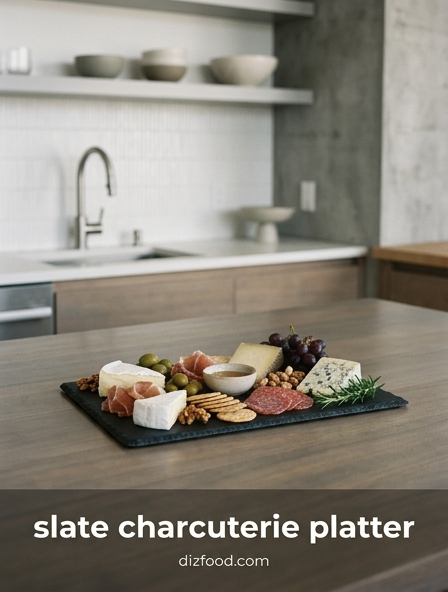
Professional Slate Board Selection for Chilled Appetizers
Selecting the right slate charcuterie platter is the foundational step in creating a professional culinary display. When evaluating options, prioritize high-quality, food-safe natural stone. A premium board should have a thickness of at least 0.5 centimeters to ensure durability and thermal retention. The edges of the slate can vary from a clean, machine-cut finish for a modern look to a traditional hand-chipped "cleft" edge that emphasizes a rustic, artisanal aesthetic.
Consider the surface texture; while natural slate is inherently non-porous, a lightly sealed board prevents oils from cheeses and meats from staining the stone over time. Size is equally important. For intimate gatherings, a 12x12 inch square is sufficient, but larger parties require rectangular boards of at least 20 inches in length to accommodate a diverse selection without overcrowding the ingredients.
- Look for non-slip padded feet on the underside to protect kitchen countertops and tabletops.
- Ensure the slate is certified food-grade and free from lead or harmful sealants.
- Evaluate the weight; a heavier board provides stability during the slicing of hard cheeses.
Essential Ingredients for a Gourmet Charcuterie Display
A successful charcuterie board balances textures, flavors, and colors. The goal is to provide a sensory experience that hits sweet, salty, acidic, and creamy notes simultaneously. Start with a selection of cured meats, ranging from delicate, paper-thin prosciutto to spicy, robust chorizo. Complement these with a variety of cheeses, ensuring you include a mix of soft, semi-firm, and hard textures.
To round out the platter, integrate "bridge" ingredients that cleanse the palate or enhance the main components. This includes brined items like olives or cornichons, which provide necessary acidity, and sweet elements like dried apricots or honeycomb to contrast the saltiness of the meats. The following table outlines the essential categories for a balanced board:
| Category | Example Ingredients |
|---|---|
| Cured Meats | Prosciutto di Parma, Genoa Salami, Sopressata |
| Artisan Cheeses | Aged Cheddar, Creamy Brie, Sharp Manchego |
| Crunch & Acid | Marcona Almonds, Cornichons, Kalamata Olives |
| Sweet Accents | Fig Jam, Fresh Grapes, Dried Cranberries |
Mastering the Art of Chilled Appetizer Presentation
The visual arrangement of a slate board is what transforms simple snacks into a professional appetizer course. Because slate is dark and matte, it provides a high-contrast background that makes the vibrant colors of fresh produce and cured meats pop. Mastery involves creating a sense of abundance while maintaining an organized flow that guides the guest through the tasting experience.
- Start with focal points by placing small bowls for jams, olives, or nuts in a triangular formation across the board.
- Anchor the display with larger items, such as whole wheels of cheese or wedges, positioning them near the bowls.
- Create "rivers" of meat by folding salami into fans or ribbons, snaking them through the gaps between the cheeses.
- Fill the remaining "negative space" with smaller items like nuts, berries, or crackers to ensure no part of the slate is visible.
Remember to keep the scale in mind; slicing some cheeses while leaving others whole creates visual height and encourages guests to dig in without feeling like they are ruining a perfect sculpture.
Temperature Control Tips for Slate Serving Boards
One of the primary functional advantages of using slate in the kitchen is its remarkable thermal mass. Slate is excellent at maintaining a consistent temperature, which is critical for food safety and flavor preservation when serving chilled appetizers like seafood, soft cheeses, or cold cuts. To maximize this benefit, place your slate board in the refrigerator or freezer for at least 30 minutes prior to serving. This "pre-chilling" process ensures the stone remains cold to the touch for up to two hours.
Maintaining temperature is especially important for soft cheeses like Camembert or Brie, which can become overly runny and lose their structural integrity at room temperature. Similarly, cold cuts such as roast beef or smoked salmon benefit from the chilled surface to prevent the sweating of fats and oils. If you are hosting an outdoor event during warmer months, consider placing the chilled slate board on top of a larger decorative tray filled with a thin layer of crushed ice to further extend the cooling window.
Best Cheese and Cold Cut Pairings for Gatherings
Creating the perfect bite requires a thoughtful understanding of how different flavor profiles interact. When selecting pairings for your slate platter, aim for a harmony of intensity. A sharp, aged cheddar pairs beautifully with the peppery notes of a hard salami, while a mild, creamy goat cheese is best complemented by the delicate saltiness of a thinly sliced prosciutto. The dark slate surface also allows you to use soapstone chalk to label these pairings directly on the board, which is a functional and stylish touch for guests.
- Soft & Silky: Pair a double-cream Brie with honey-glazed ham and a slice of green apple for a balance of fat and acid.
- Bold & Blue: Match a pungent Gorgonzola with a spicy Calabrese salami and a drizzle of balsamic glaze.
- Nutty & Firm: Combine an aged Gruyère with smoked turkey breast and whole grain mustard for a savory, earthy profile.
- Tangy & Sharp: Serve a Manchego with serrano ham and a dollop of quince paste (membrillo).
Styling Techniques for a Professional Slate Platter
Professional food stylists use specific techniques to make a slate platter look "bountiful" rather than cluttered. One popular method is the "Salami Rose," created by folding circular meat slices over the rim of a wine glass to form layers, then inverting it onto the board. This adds significant vertical interest and a sophisticated touch. Another technique involves the use of texture contrast; place rough-cracked artisanal crackers next to the smooth, flat surface of the slate to create visual depth.
Don't forget the importance of color grouping. Grouping orange-hued cheeses with dried apricots and golden crackers creates a monochromatic "zone" that is aesthetically pleasing. Use the natural dark grey or black of the slate to your advantage by leaving thin borders around brightly colored items like pomegranate seeds or emerald-green herb sprigs. Finally, ensure that every element is accessible. If a cheese is particularly hard, pre-slice a few pieces so guests know the intended serving size and feel comfortable helping themselves to the display.
Maintaining and Cleaning Your Natural Slate Serveware
To preserve the beauty and longevity of a natural slate platter, proper maintenance is essential. Slate is a metamorphic rock that can be prone to "flaking" or chipping at the edges if handled roughly. Never place a slate board in the dishwasher, as the high heat and intense water pressure can cause the stone to crack or lose its natural sheen. Instead, hand-wash the board with warm, soapy water and a soft sponge immediately after use.
- Avoid using abrasive scrubbers or acidic cleaners like vinegar, which can etch the surface.
- Dry the board thoroughly with a lint-free cloth to prevent water spots from forming.
- Periodically "season" the slate by rubbing a few drops of food-grade mineral oil into the surface with a soft cloth. This deepens the black color and provides a protective barrier against stains.
- Store the board flat or in a dedicated rack to prevent the edges from knocking against other kitchenware.
By following these steps, you ensure that the slate remains a centerpiece of your kitchen entertaining for years to come.
Seasonal Garnishes to Elevate Your Snack Board
Adapting your slate charcuterie board to the current season keeps your entertaining fresh and relevant. Garnishes are not merely decorative; they should be edible and complementary to the flavor profiles of the meats and cheeses. In the spring, utilize bright, fresh elements like radish slices and pea shoots. In the winter, lean into darker, moodier tones with rosemary sprigs and sugared cranberries. The neutral palette of the slate serves as a perfect canvas for these seasonal shifts.
| Season | Recommended Garnishes | Flavor Contribution |
|---|---|---|
| Spring | Asparagus tips, edible flowers, strawberries | Floral and fresh |
| Summer | Fresh figs, cherries, basil leaves | Sweet and aromatic |
| Autumn | Pear slices, walnuts, cinnamon sticks | Earthy and warm |
| Winter | Pomegranate seeds, rosemary, dried plums | Tart and herbal |
Creative Layout Ideas for Modern Kitchen Entertaining
Modern entertaining often moves away from the traditional centered pile of food toward more structured and artistic layouts. One popular approach is the "River Layout," where a continuous line of crackers or overlapping meat slices cuts diagonally across the slate, dividing it into two distinct zones-one for savory items and one for sweets. This creates a sense of movement and organization that is visually striking and easy for guests to navigate during a busy cocktail hour.
Another contemporary idea is the "Deconstructed Platter," where ingredients are grouped by type in clean, minimalist clusters with significant slate visible between them. This highlights the natural beauty of the stone and suggests a more curated, high-end dining experience. For circular slate boards, try a "Spiral Layout," starting from the center with a bowl of dip and radiating outward in concentric circles of cheese, meat, and fruit. These geometric arrangements turn the food into a piece of temporary art, perfect for modern kitchen aesthetics.
The Benefits of Using Slate for Cold Food Service
Slate has become a staple in professional kitchens and home entertaining for several compelling reasons. Beyond its striking aesthetic, its functional properties are perfectly suited for food service. Because slate is a natural stone formed under intense heat and pressure, it is incredibly dense and durable. Its ability to retain cold temperatures makes it superior to wood or plastic boards when serving perishables that require a chilled environment to remain appetizing and safe.
- Non-Porous Surface: Unlike wood, high-quality slate does not absorb odors or bacteria, making it more hygienic for raw or cured foods.
- Interactive Element: The ability to write directly on the slate with chalk allows for easy labeling of allergens or specific cheese varieties.
- Versatility: Slate transitions seamlessly from the refrigerator to the dining table, maintaining its elegant appearance.
- Sustainable Choice: As a natural, quarried stone, it is an eco-friendly alternative to synthetic serving platters.
Whether you are a professional chef or a home host, the combination of thermal efficiency and timeless style makes the slate platter an essential tool for any kitchen.

Comments