

Benefits of Professional Grade Rotary Shredders
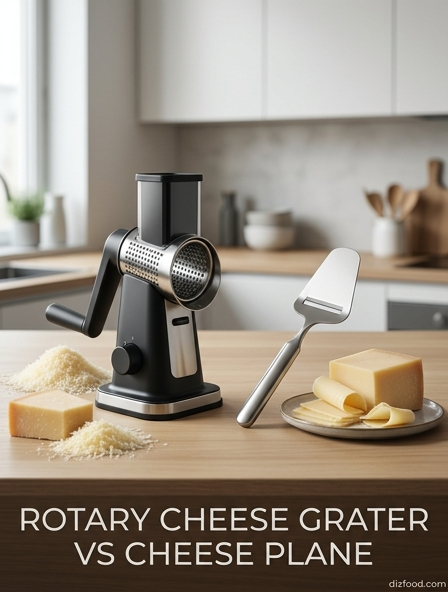
Professional grade rotary shredders transform the efficiency of any culinary environment by offering a level of speed and consistency that manual box graters simply cannot match. These devices utilize a rotating drum mechanism that leverages mechanical advantage to process large blocks of cheese in seconds. The primary advantage lies in the uniformity of the output; whether you are shredding mozzarella for a pizza or parmesan for a delicate pasta dish, every strand remains consistent in size and shape. This uniformity ensures even melting and professional presentation, which is critical in commercial settings.
Furthermore, professional models are designed to handle high-density cheeses without the risk of bending or warping the blades. By reducing the physical strain on the operator, these shredders minimize the risk of repetitive strain injuries, making them a staple in high-volume kitchens. They are engineered to provide a seamless transition between different types of ingredients, allowing chefs to pivot quickly during peak service hours. Key benefits include:
- Enhanced output speed for bulk ingredient preparation.
- Improved texture consistency across various cheese types.
- Reduced physical fatigue for kitchen staff.
- Minimized food waste through precision cutting edges.
Selecting Optimized Drums for Different Textures
The versatility of a rotary cheese grater is largely defined by its interchangeable drum system. Selecting the correct drum is essential for achieving the desired culinary result and ensuring the longevity of the equipment. Different cheeses possess varying moisture contents and densities, necessitating specific blade configurations to prevent clogging or tearing. A fine-shred drum is ideal for hard cheeses like Pecorino or Grana Padano, creating a light, powdery texture that integrates perfectly into sauces. Conversely, a coarse drum is better suited for semi-soft cheeses like cheddar or monterey jack, producing thicker strands that maintain their integrity.
When selecting drums, consider the following common configurations:
- Fine Grating Drum: Best for hard cheeses, chocolate, and nut flours.
- Coarse Shredding Drum: Ideal for pizza toppings, taco fillings, and vegetable shredding.
- Slicing Drum: Perfect for creating thin rounds of cucumbers, potatoes, or hard radishes.
Matching the drum speed and pressure to the specific blade geometry ensures that the cheese is cut cleanly rather than smashed, which preserves the flavor profile and moisture of the dairy product.
Ergonomic Setup for Rapid Cheese Processing
In a fast-paced kitchen, the physical layout of the workstation significantly impacts the speed of ingredient processing. An ergonomic setup for a rotary cheese grater begins with the mounting surface. Most high-quality units feature a powerful suction base or a heavy-duty clamp system. It is vital to secure the grater at elbow height to allow the operator to apply downward pressure through the pusher without straining the shoulders or back. The handle rotation should be smooth, requiring minimal wrist deviation to prevent carpal tunnel symptoms over long shifts.
The placement of the receiving container is equally important. Position a deep stainless steel basin directly under the discharge chute to catch the processed cheese without spillage. This reduces cleanup time and prevents the accumulation of cheese around the base of the machine. For maximum efficiency, organize the prep area so that the blocks of cheese are on the left and the processed output is on the right (or vice versa), creating a streamlined workflow that minimizes unnecessary movement. A well-placed setup allows a single operator to process several kilograms of cheese in a fraction of the time required by traditional methods.
Maximizing Yield with Proper Feeding Techniques
To get the most out of every block of cheese, operators must master the technique of feeding the rotary grater. The most common mistake is applying excessive force to the food pusher, which can lead to "mushing" the cheese against the drum and causing significant buildup inside the mechanism. Instead, consistent, moderate pressure should be applied. This allows the blades to slice through the protein and fat structures cleanly. For softer cheeses, it is often helpful to chill the product in the freezer for fifteen minutes prior to grating; this firms up the fats and results in longer, cleaner strands with less residual waste.
Proper feeding also involves the orientation of the cheese block. Aligning the grain of the cheese with the rotation of the drum can influence the length of the shred. By rotating the block occasionally, you ensure that the entire surface area is utilized. When the block becomes thin, the pusher should be used firmly to ensure the final slivers are processed, leaving behind only a minimal amount of "ends" that cannot be safely grated. This precision reduces food costs and maximizes the yield for every inventory unit purchased.
Safety Features for High Volume Slicing Operations
Safety is a paramount concern when operating machinery with high-speed cutting surfaces. Modern rotary cheese graters are designed with several integrated safety features to protect users from accidental lacerations. The primary safety component is the food pusher, which acts as a physical barrier between the operator's fingers and the rotating drum. In high-volume operations, it is strictly required that the pusher be used at all times, regardless of the size of the cheese block. This eliminates the risk of hand contact with the sharp stainless steel blades.
Additionally, professional units often feature locking mechanisms that prevent the drum from detaching during operation. The suction base provides stability, ensuring the unit does not slide across the counter while the handle is being turned. For automated or electric rotary graters, emergency stop buttons and sensor-guarded hoppers provide an extra layer of protection by cutting power if the guard is moved. Regular safety training for staff should emphasize the importance of these features, particularly during the assembly and disassembly phases when the sharp edges of the drums are most exposed.
Industrial Grade Materials for Kitchen Durability
The durability of a rotary grater is directly linked to the materials used in its construction. In a commercial or heavy-duty home kitchen, plastic components often fail under the stress of processing hard ingredients. Therefore, industrial-grade graters utilize reinforced materials to withstand daily wear and tear. The drums are almost exclusively manufactured from high-carbon stainless steel, which resists corrosion and maintains a sharp edge longer than standard steel. The body of the unit is typically constructed from heavy-duty, BPA-free polymers or die-cast aluminum to provide a rigid frame.
| Component | Material | Benefit |
|---|---|---|
| Cutting Drum | 304 Stainless Steel | Rust resistance and edge retention |
| Internal Gears | Hardened Nylon or Metal | High torque resistance |
| Base/Housing | Reinforced ABS or Metal | Structural stability and impact resistance |
Choosing materials that are resistant to chemical sanitizers and high-temperature dishwashing is essential for maintaining food safety standards over the lifespan of the tool. Investing in high-quality materials reduces the frequency of replacements and ensures the unit can handle the rigors of a professional environment.
Cleaning and Sanitation for Professional Graters
Maintaining a high standard of hygiene is critical when working with dairy products, as cheese residue can quickly become a breeding ground for bacteria if not cleaned properly. Professional rotary graters are designed for easy disassembly, allowing each component to be cleaned individually. After every use, the drum, hopper, and pusher should be removed and rinsed under hot water to dislodge any trapped cheese particles. For deep cleaning, most components are dishwasher safe, though hand washing with a soft brush is often recommended to preserve the sharpness of the blades.
- Disassemble the handle and remove the cutting drum from the housing.
- Soak the drum in warm, soapy water to loosen stubborn fats.
- Use a nylon brush to clean the inside and outside of the drum perforations.
- Sanitize the main housing with a food-safe spray, paying attention to the gear interface.
- Ensure all parts are completely dry before reassembling to prevent oxidation.
Regular inspection during the cleaning process allows for the identification of any cracked plastic or dulling metal, ensuring the tool remains safe for food preparation.
Versatile Applications for Commercial Food Prep
While commonly referred to as a "cheese grater," the rotary shredder is a versatile tool capable of processing a wide array of ingredients beyond dairy. In a commercial prep kitchen, this versatility allows for the consolidation of equipment. The high-torque rotation makes it excellent for processing nuts into fine crumbles for desserts or crusts. Vegetables like carrots, zucchini, and radishes can be shredded rapidly for salads or slaws, providing a consistent texture that enhances the visual appeal of the dish.
Other common applications include:
- Grating hard chocolate for pastry garnishes.
- Shredding cold butter into flour for flaky pastry dough.
- Processing dry bread into uniform breadcrumbs.
- Slicing firm fruits like apples or pears for tarts.
This multi-functional capability makes the rotary grater an indispensable asset for various stations in the kitchen, from the garde manger to the pastry department. By swapping drums, a chef can transition from savory taco prep to sweet dessert garnishing in a matter of seconds, maximizing the utility of a single piece of hardware.
Reducing Prep Time in High Volume Kitchens
In the culinary industry, labor is often the highest variable cost. Reducing the time spent on manual prep tasks like grating cheese can have a significant impact on the bottom line. A rotary cheese grater can process a five-pound block of cheese in less than five minutes, a task that might take twenty minutes or more using a traditional handheld grater. This time savings allows kitchen staff to focus on more complex tasks, such as line cooking or sauce development, thereby increasing the overall throughput of the kitchen.
Furthermore, the speed of the rotary system allows for "just-in-time" preparation. Instead of grating large quantities of cheese hours in advance-which can lead to clumping and loss of moisture-chefs can grate the required amount nearly on demand. This ensures the freshest possible product for the customer. When multiplied across daily shifts and various ingredients, the efficiency gains provided by a rotary shredder can save dozens of labor hours per month, making it one of the most cost-effective investments for any high-volume food service operation.
Maintaining Sharpness in Heavy Duty Cutting Blades
The performance of a rotary grater is entirely dependent on the sharpness of its cutting drums. Over time, contact with hard cheeses and abrasive cleaning agents can dull the fine edges of the blades. To maintain peak performance, it is essential to follow a strict maintenance protocol. Avoid using metal scrubbers or abrasive scouring pads on the drums, as these can create micro-scratches that trap food and dull the cutting surface. Instead, use soft-bristled brushes that can reach inside the holes without damaging the metal.
Storage is also a factor in maintaining sharpness. Drums should be stored in a way that they do not knock against each other or other metal utensils. Many professional kitchens use dedicated pegboards or padded drawers for drum storage. If a drum begins to require more physical effort to rotate, it is a sign that the blades are dulling. While some high-end drums can be professionally sharpened, most are designed to be replaced periodically in high-volume settings. Keeping a rotation of sharp drums ensures that the motor (or the operator's arm) is not overstrained, preserving the life of the entire unit.



Comments