
The Core Philosophy of Mise en Place
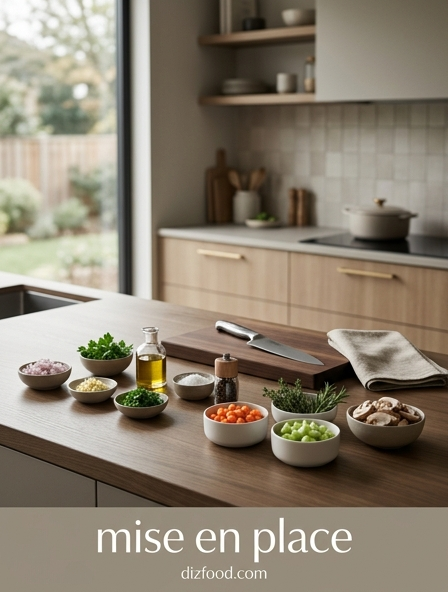
Mise en place is a French culinary phrase meaning "everything in its place." Beyond a simple set of instructions, it represents a professional mindset that prioritizes organization, preparation, and mental clarity before the heat of the stove is ever ignited. By gathering all ingredients, measuring them out, and preparing necessary tools in advance, a cook transitions from a reactive state to a proactive one. This philosophy suggests that the quality of a final dish is determined long before the first onion is sautéed.
Adopting this discipline eliminates the frantic search for a specific spice or tool mid-cook, which often leads to scorched sauces or unevenly cooked proteins. It allows the chef to focus entirely on the nuances of technique-sensory cues like smell, sound, and color-rather than logistics. To truly master this philosophy, one must value the process of preparation as much as the act of cooking itself.
- Mental Preparation: Visualizing the entire cooking process from start to finish.
- Physical Readiness: Ensuring every component is within arm's reach.
- Efficiency: Reducing unnecessary movement to save time and energy.
Essential Tools for Efficient Prep
The foundation of a high-functioning kitchen lies in the selection and maintenance of specific tools designed for preparation. High-quality equipment reduces physical strain and ensures that ingredients are handled with precision. A sharp chef's knife is the most critical asset, as dull blades require more force and increase the likelihood of accidents. Furthermore, using standardized measuring equipment ensures consistency across multiple batches of the same recipe.
| Tool Category | Essential Item | Primary Function |
|---|---|---|
| Cutting Surface | Large Wood/Poly Board | Provides a stable, safe area for knife work. |
| Measurement | Digital Scale | Ensures precise ratios, especially for baking. |
| Containment | Stainless Steel Bowls | Holds prepared ingredients separately before use. |
| Utility | Bench Scraper | Cleans the board and transfers food efficiently. |
Investing in these staples allows for a streamlined workflow where the cook spends less time struggling with inadequate gear and more time executing precise cuts and measurements.
Step by Step Recipe Deciphering
Before any physical prep begins, a thorough reading of the recipe is mandatory. This process, known as deciphering, involves more than just glancing at the ingredient list; it requires an analytical breakdown of the instructions to identify hidden tasks and timing requirements. Professional cooks look for "active" versus "passive" time to maximize their productivity throughout the session.
- Read Twice: Review the entire recipe to understand the relationship between components.
- Identify Action Verbs: Note terms like "chilled," "softened," or "toasted" which require advance action.
- Group by Technique: Identify all items that require the same knife cut to process them together.
- Check Equipment: Ensure all necessary pans, blenders, or sifters are clean and ready.
- Establish a Timeline: Determine which items take the longest to cook and start them first.
By breaking down a recipe into these logical steps, you prevent common errors such as realizing a dough needs to rest for four hours right when you intended to bake it.
Strategic Ingredient Arrangement
Once ingredients are prepped, their physical arrangement on the workstation determines the flow of the cooking process. A common technique is to arrange bowls in a "U" or "L" shape around the cutting board, following the chronological order in which they will enter the pan. This creates a visual map of the recipe, where the cook simply moves from left to right as the dish progresses.
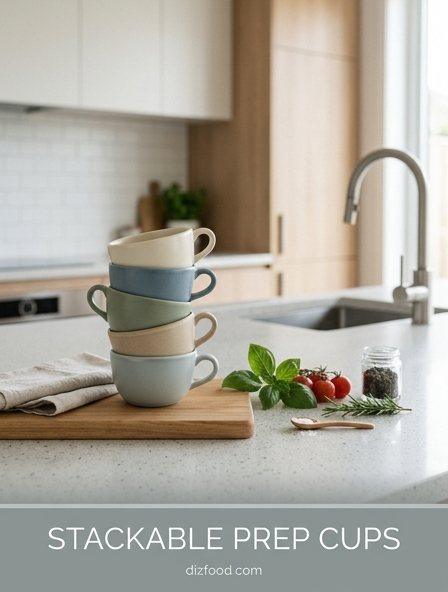
Temperature control is another vital aspect of arrangement. High-risk items, such as proteins or dairy, should remain refrigerated until the last possible moment, while aromatics like garlic and ginger can sit at room temperature. This strategic staging prevents cross-contamination and maintains food safety standards. Utilizing small "pinch bowls" for spices and herbs ensures that seasonings are ready for quick additions, preventing the need to fumble with jars while a steak is searing. Proper arrangement transforms a chaotic countertop into a highly efficient production line.
Mastering Knife Skills for Speed
Speed in the kitchen is not the result of rushed movements, but rather the outcome of consistent, precise technique. Mastering foundational knife skills allows a cook to process large volumes of produce with minimal effort. Uniformity is the ultimate goal; when vegetables are cut to the same size, they cook at the same rate, preventing some pieces from being mushy while others remain raw. This consistency is the hallmark of professional cooking.
- The Claw Grip: Tucking fingertips in to guide the blade safely.
- The Rocking Motion: Keeping the tip of the knife on the board for stability.
- Consistent Sizing: Using standard cuts like brunoise, julienne, and batonnet.
Developing these skills requires practice and focus on form over speed initially. As muscle memory develops, the pace naturally increases. A disciplined approach to knife work also reduces waste, as the cook learns how to maximize the yield from every vegetable and protein processed.
Zoning Your Kitchen for Workflow
The layout of a kitchen should mirror the logical progression of food preparation. Zoning involves designating specific areas for distinct tasks: cleaning, cutting, cooking, and plating. This prevents "bottlenecks" where multiple tasks compete for the same square footage. In a professional environment, this is known as station management, but it is equally effective in a home kitchen.
| Zone Name | Primary Activities | Key Equipment Located Here |
|---|---|---|
| The Wet Zone | Washing, peeling, straining | Sink, colanders, vegetable brushes |
| The Prep Zone | Chopping, mixing, portioning | Cutting boards, knives, scales |
| The Hot Zone | Sautéing, boiling, roasting | Stovetop, oven, spatulas, tongs |
| The Clean Zone | Plating, garnishing, service | Clean plates, finishing oils, herbs |
By respecting these boundaries, you minimize cross-contamination and ensure that the transition between raw prep and final cooking remains fluid and organized.
Utilizing Professional Prep Containers
The use of standardized containers is a hallmark of an organized kitchen. Moving away from mismatched Tupperware and toward professional deli containers or stainless steel hotel pans provides several advantages. First, uniform containers stack efficiently, maximizing limited counter and refrigerator space. Second, they allow for clear visibility of contents, which is essential when managing multiple recipe components simultaneously.
Labeling is an often-overlooked but vital part of the container system. Using masking tape and a permanent marker to note the ingredient name and the date it was prepped ensures freshness and prevents confusion. For example, distinguishing between salt, sugar, and cornstarch is much easier when containers are clearly marked. Furthermore, using containers of various sizes-pints, quarts, and half-gallons-allows the cook to scale their mise en place according to the volume of the ingredient, keeping the workstation compact and manageable.
Implementing the Clean As You Go Rule
Maintaining a clean environment is not a task performed after cooking; it is an integral part of the cooking process itself. The "Clean As You Go" (CAYG) rule mandates that a cook cleans their workstation during passive cooking moments-such as while waiting for water to boil or meat to sear. This habit prevents the accumulation of clutter, which is a leading cause of stress and accidents in the kitchen.
- Clear the Board: Wipe down your cutting surface immediately after finishing a specific ingredient.
- Manage Trash: Use a dedicated "scraps bowl" to collect waste, reducing trips to the bin.
- Load the Dishwasher: Place used tools and bowls into the wash cycle as soon as they are no longer needed.
- Sanitize Regularly: Keep a damp cloth with sanitizer nearby to wipe up spills instantly.
By the time the meal is served, the kitchen should be nearly as clean as when the process began, leaving only the final plates to be washed.
Seamless Transitions During Cooking
The true test of mise en place occurs during the transition from preparation to execution. This is the phase where variables like heat and timing come into play. If the prep was handled correctly, the transition should feel effortless. The cook should not need to reach for a knife once the pans are hot; instead, they should only be reaching for the prepared containers of ingredients.
Managing the "hand-off" between different stages of a recipe requires awareness of the cooking vessel's capacity and the heat level. Because everything is pre-measured, the cook can focus on the sequence of additions. For instance, in a stir-fry, the order of ingredients is determined by their density and water content. Having these staged in the order of entry allows the cook to maintain high heat without risking the burning of delicate aromatics while waiting to chop a firmer vegetable. This fluidity ensures that every component reaches its peak texture and flavor simultaneously.
Long Term Kitchen Organization Habits
Mise en place is most effective when it is supported by long-term organizational habits. This involves maintaining a kitchen environment where every tool has a permanent home and inventory is regularly audited. A chef who knows exactly where the peppercorns are stored and that the backup supply is sufficient will always be faster than one who has to search through disorganized cupboards.
- Standardized Storage: Store similar items together (e.g., all baking supplies in one bin).
- Knife Maintenance: Regularly hone blades and schedule professional sharpening to ensure peak performance.
- Inventory Rotations: Practice "First In, First Out" (FIFO) to ensure ingredients remain fresh.
- Reflective Cleanup: After cooking, evaluate which tools were unused and consider if they are necessary for your workflow.
These habits transform the kitchen into a high-performance laboratory. Over time, the discipline of mise en place becomes second nature, leading to a more enjoyable, creative, and efficient culinary experience every time you step up to the counter.

Comments