
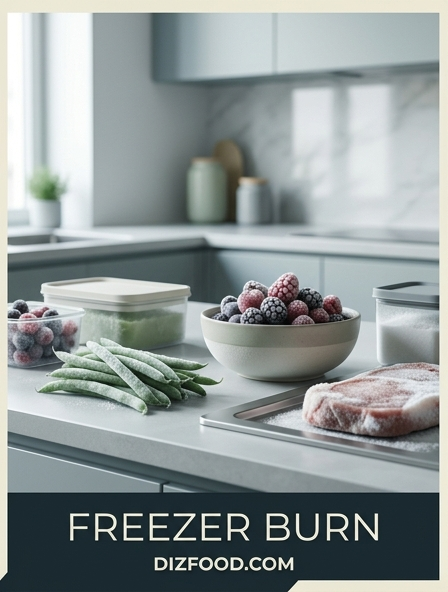
Optimal Temperature Settings for Long Term Storage
Maintaining the correct internal temperature is the first line of defense against freezer burn. For long-term food preservation, the freezer should consistently remain at 0°F (-18°C) or lower. At this temperature, molecular movement is significantly slowed, and enzyme activity that causes food spoilage is effectively halted. If the temperature rises above this threshold, even by a few degrees, the rate of moisture sublimation increases, leading to the development of ice crystals on the surface of your food.
- Check the internal temperature weekly using a dedicated appliance thermometer.
- Avoid overfilling the freezer to the point where air vents are blocked.
- Ensure the cooling coils have adequate space for heat dissipation.
- Set the temperature lower if you are adding a large volume of unfrozen items at once.
Consistent temperatures prevent the cycle of partial thawing and refreezing, which is the primary catalyst for textural degradation. By keeping the environment strictly at or below zero, you ensure that the water molecules within the food remain locked in a solid state, preserving the integrity of meat, vegetables, and prepared meals for several months.
Best Airtight Packaging Materials for Freezing
The quality of your packaging materials directly correlates to the longevity of the stored items. Standard plastic wraps or thin storage bags are often permeable to oxygen and moisture vapor over time. To prevent freezer burn, you must use heavy-duty materials specifically designed for sub-zero environments. These materials act as a robust barrier, keeping essential moisture inside the food while preventing dry, cold air from reaching the surface.
| Material Type | Best Used For | Effectiveness |
|---|---|---|
| Heavy-Duty Aluminum Foil | Irregularly shaped meats | High |
| Freezer-Grade Bags | Fruits and vegetables | Medium-High |
| Vacuum Sealer Rolls | Long-term proteins | Excellent |
| Glass Canning Jars | Soups and liquids | High |
When selecting containers, look for the "freezer safe" label. These products are manufactured to resist cracking at low temperatures and feature thicker walls to combat vapor transmission. Using the wrong material can result in "leaky" packaging that allows the sublimation process to ruin expensive cuts of meat within weeks.
Benefits of Vacuum Sealing for Food Preservation
Vacuum sealing is widely considered the gold standard for preventing freezer burn because it removes the primary culprit: oxygen. By using a mechanical pump to extract air from a specialized plastic pouch, the packaging collapses tightly around the food item. This eliminates any "headspace" where frost can accumulate. Without air contact, the moisture within the food cannot evaporate and crystallize on the surface, which is exactly how freezer burn occurs.
- Extends the freezer life of beef and poultry by up to three years.
- Prevents the transfer of odors between different food items.
- Reduces the physical footprint of items, allowing for better organization.
- Maintains the original texture and color of delicate items like berries.
Beyond protection, vacuum sealing protects against "cold shocks" during power outages. Because the packaging is so intimate with the food, it provides a slight thermal buffer. For home cooks who buy in bulk, investing in a vacuum sealer pays for itself by drastically reducing food waste and allowing for the safe purchase of seasonal items at peak freshness.
Proper Methods for Cooling Food Before Freezing
Placing hot or even warm food directly into the freezer is a common mistake that leads to condensation and subsequent freezer burn. When warm food is introduced, it releases steam. This steam eventually settles on the food or the container walls, turning into large ice crystals that damage cellular structures. Furthermore, hot items raise the ambient temperature of the freezer, potentially compromising the safety of neighboring frozen goods.
- Divide large batches of hot food into shallow containers to speed up heat loss.
- Use an ice bath to rapidly chill soups, stews, or blanched vegetables.
- Allow items to reach room temperature on the counter for no more than two hours.
- Pre-chill items in the refrigerator for several hours before moving them to the freezer.
By ensuring the food is at refrigerator temperature (around 40°F) before freezing, you facilitate a much faster "hard freeze." The quicker an item freezes, the smaller the resulting ice crystals. Smaller crystals are less likely to rupture the fibers of meat or the cell walls of vegetables, leading to a much better texture upon thawing.
Strategies to Minimize Air Exposure in Containers
Air is the enemy of frozen food. Even if you are not using a vacuum sealer, there are several manual strategies to ensure your food remains protected. When using rigid plastic or glass containers, the amount of empty space (headspace) at the top of the container is critical. Too much air leads to surface dehydration, while too little can cause the container to crack as the food expands during the freezing process.
- Fill liquid containers to within one inch of the top to allow for expansion.
- Use "water displacement" by submerging a zipped bag in water to force air out.
- Place a layer of plastic wrap directly on the surface of sauces or ice cream.
- Select the smallest possible container size that fits the portion.
For solid items in freezer bags, always press as much air out as possible by hand before sealing the final corner. If you notice air pockets forming in a bag over time, it is a sign that the seal has failed or the material is too thin. Re-packaging these items immediately can save them from the textural damage associated with prolonged air exposure.
Implementing an Effective Freezer Inventory System
Items lost at the bottom of a chest freezer are the most likely candidates for freezer burn. An inventory system ensures that you are aware of what you have and how long it has been stored. This prevents "mystery packages" from lingering past their prime. A well-organized freezer also reduces the time the door stays open, which helps maintain a stable internal temperature and prevents the accumulation of frost.
- Maintain a digital spreadsheet or a physical list on the freezer door.
- Categorize the freezer into zones: poultry, red meat, vegetables, and prepared meals.
- Note the quantity and the "use-by" date for every item added.
- Cross off items immediately after removing them for cooking.
Using a "First In, First Out" (FIFO) methodology is essential. By placing newer items at the back or bottom and moving older items to the front, you naturally consume food before it reaches the limits of its shelf life. A simple magnetic whiteboard can serve as a highly effective tool for tracking these rotations, ensuring that nothing is wasted due to neglect or poor visibility.
The Importance of Labeling for Food Rotation
Labeling is the backbone of food safety and quality management in the kitchen. Once food is frozen, many items look identical; a frozen block of chili can easily be mistaken for tomato sauce, and different cuts of steak become indistinguishable. Clear labeling eliminates guesswork and ensures that you are utilizing your inventory efficiently. Without a date, it is impossible to know if an item has been stored for two months or two years.
- Use a permanent marker that will not smudge in moist or cold conditions.
- Write the name of the item clearly on the outside of the packaging.
- Include the date of freezing and the estimated expiration date.
- Add specific cooking instructions or portion sizes for convenience.
Apply labels to the flat surface of the bag or container where they are most visible. If you are using reusable containers, consider using painter's tape as a label, as it peels off easily without leaving a sticky residue. Proper labeling not only prevents freezer burn by encouraging timely consumption but also streamlines meal planning and grocery shopping by providing an instant snapshot of your available resources.
How to Prevent Temperature Fluctuations and Frost
Frequent temperature fluctuations are a primary cause of frost buildup inside packaging. Every time the freezer door is opened, cold air escapes and warm, humid air rushes in. This moisture then condenses and freezes on the coldest surfaces, including your food. If these fluctuations happen repeatedly, the ice crystals inside the food migrate to the surface, causing the dehydrated, "leathery" patches characteristic of freezer burn.
- Minimize the number of times the door is opened throughout the day.
- Check the door gaskets regularly to ensure a tight, airtight seal.
- Keep the freezer at least 70% full; frozen items act as thermal mass.
- If the freezer is mostly empty, fill the gaps with jugs of water.
Avoid placing the freezer in an uninsulated garage where extreme exterior temperatures can force the compressor to work harder or cycle incorrectly. If you notice a "snowy" buildup on the interior walls, it is an indication of a leak or excessive door opening. Addressing these mechanical and behavioral issues promptly will significantly extend the quality of your stored provisions.
Using Dual Wrapping Techniques for Meat and Produce
For high-value items like steaks, salmon fillets, or expensive roasts, a single layer of protection is rarely enough for long-term storage. Dual wrapping involves using two different types of barriers to create an impenetrable shield against the dry freezer air. This method is particularly effective for items with irregular shapes that naturally create air pockets when placed in a standard bag.
| First Layer | Second Layer | Purpose |
|---|---|---|
| Plastic Wrap | Freezer Bag | Prevents surface air contact |
| Freezer Paper | Aluminum Foil | Prevents moisture migration |
| Vacuum Seal | Hard Plastic Bin | Protection from physical damage |
When dual wrapping, ensure the first layer is as tight as possible against the food's surface. For example, wrap a steak tightly in plastic wrap, pressing out all air bubbles, then place that wrapped steak inside a heavy-duty freezer bag and squeeze out the remaining air. This "belt and suspenders" approach virtually guarantees that even if the outer bag develops a micro-tear, the food remains protected from dehydration.
Maintaining Your Freezer for Peak Performance
The mechanical health of your freezer is just as important as the packaging you use. Over time, frost can accumulate on the cooling coils, making the unit work harder and causing temperature swings. A poorly maintained freezer will struggle to stay at 0°F, leading to a higher incidence of food spoilage and freezer burn. Regular maintenance tasks ensure that the appliance operates efficiently and maintains a stable environment for your food.
- Defrost manual-defrost freezers whenever frost buildup exceeds 1/4 inch.
- Vacuum the condenser coils at the back or bottom of the unit every six months.
- Test the door seal by closing it on a dollar bill; it should be difficult to pull out.
- Level the appliance to ensure the door closes automatically and seals correctly.
In addition to cleaning, listen for unusual noises from the compressor or fan. A failing motor can lead to gradual warming that may go unnoticed until the food is already ruined. By dedicating a small amount of time to appliance upkeep, you protect your investment in groceries and ensure that your freezer remains a reliable tool for long-term food preservation.




Comments