
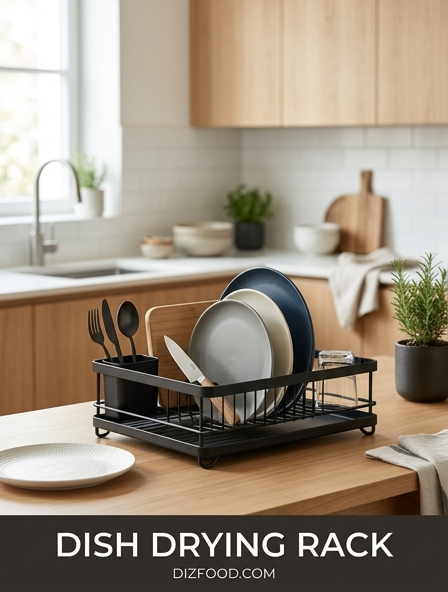
Comparing Rack Capacity vs Mat Versatility
Choosing between a traditional dish drying rack and a drying mat depends largely on the volume of your daily cleanup. Racks are designed for high-capacity loads, offering structured slots for plates, baskets for utensils, and dedicated hooks for mugs. They excel in households that cook frequently and utilize multiple pots and pans. Conversely, drying mats offer unparalleled versatility for kitchens with limited hardware needs. A mat can be easily repositioned to catch drips under a coffee maker or moved to a dining table for oversized serving platters.
| Feature | Drying Rack | Drying Mat |
|---|---|---|
| Capacity | High (Vertical stacking) | Low (Single layer) |
| Footprint | Fixed and bulky | Flexible and flat |
| Specialty | Heavy cookware/Plates | Glassware/Stemware |
While the rack provides the infrastructure for organized drying, the mat serves as a modular accessory that adapts to the specific tasks of the day, making it a favorite for those who prefer a minimalist or adaptable kitchen environment.
Maximizing Counter Space in Small Kitchens
In compact culinary environments, every square inch of counter space is a premium commodity. Traditional bulky racks can dominate a workspace, making food preparation difficult. To combat this, innovative designs focus on verticality and multi-functional footprints. Utilizing the area above the sink or folding solutions can transform a cluttered kitchen into an efficient workspace.
- Over-the-Sink Racks: These utilize dead space above the basin, allowing water to drip directly into the drain while keeping counters completely clear.
- Collapsible Models: Silicone or plastic racks that fold flat allow users to stow the unit in a drawer once the dishes are put away.
- Roll-up Silicone Mats: These sit across the sink opening, providing a temporary drying surface that disappears when rolled up.
- Two-Tiered Systems: By stacking dishes vertically, these racks double the drying capacity without increasing the width of the unit.
Strategic selection of drying tools allows small-kitchen owners to maintain a high level of organization without sacrificing the room needed for actual cooking. The goal is to ensure the drying solution is present only when needed and invisible when it is not.
Hygiene Benefits of Elevated Drying Racks
Hygiene is a critical factor in the kitchen, and the method used to dry dishes significantly impacts bacterial growth. Elevated drying racks provide a distinct advantage by separating wet dishes from the countertop surface. When dishes sit on a flat, damp mat for extended periods, the lack of airflow can create a breeding ground for mildew and biofilm. Elevated racks, however, utilize gravity to pull moisture away from the surfaces of plates and bowls, ensuring that water does not pool in crevices.
Furthermore, most modern racks feature integrated drainage boards with sloped channels. These channels direct the runoff directly into the sink, preventing stagnant water from sitting on the counter. This constant movement of water reduces the risk of mineral buildup and "sour" smells often associated with damp textiles. By keeping the dishes lifted, the rack also prevents cross-contamination from the countertop, which may harbor food particles or residues. The result is a more sanitary environment where dishes dry quickly and remain clean until they are placed back into the cabinets.
Absorbency and Care for Microfiber Mats
Microfiber drying mats have become a staple in modern kitchens due to their incredible ability to hold several times their weight in water. The dense weave of synthetic fibers creates a massive surface area that wicks moisture away from dishes instantly. However, to maintain this high level of performance and ensure the mat remains a sanitary surface, a specific care routine must be followed regularly.
- Daily Airing: After use, never leave a wet mat flat on the counter. Hang it over a faucet or a towel bar to ensure the internal foam core dries completely.
- Weekly Machine Washing: Wash the mat in warm water with liquid detergent. Avoid fabric softeners, as they coat the fibers and reduce absorbency.
- Low-Heat Drying: Tumble dry on a low setting or air dry. High heat can melt the fine synthetic fibers, leading to a loss of softness and wicking power.
- Stain Pre-treatment: If coffee or wine spills on the mat, treat the spot immediately with a mild degreaser before the liquid sets into the core.
Proper maintenance not only extends the life of the mat but also ensures that the high-tech fibers continue to trap moisture effectively without developing unpleasant odors.
Aesthetic Impact on Modern Kitchen Design
The kitchen is often considered the heart of the home, and its visual appeal is influenced by even the most functional items. A dish drying rack is no longer just a utility; it is a design statement. Modern kitchen aesthetics lean toward clean lines, high-quality materials, and a cohesive color palette. Choosing a drying solution that complements these elements can elevate the overall look of the space from a cluttered utility room to a sophisticated culinary studio.
Stainless steel racks offer a professional, industrial look that pairs perfectly with modern appliances. For those seeking a more organic or "Scandi" vibe, bamboo or wooden racks provide warmth and texture. Conversely, minimalist kitchens often utilize low-profile charcoal or slate-colored mats that blend seamlessly into dark stone countertops. The choice of finish-matte black, brushed nickel, or rose gold-allows homeowners to coordinate their dish-drying hardware with cabinet pulls and faucets. By treating the drying area as a permanent fixture of the room's decor, you ensure that even the mundane task of drying dishes contributes to a harmonious and stylish domestic environment.
Drying Efficiency and Airflow Dynamics
The speed at which a dish dries is determined by the interaction between surface moisture and surrounding air. Efficient drying requires 360-degree airflow, which prevents the formation of condensation inside inverted glasses and bowls. When a dish is placed on a flat surface, the air inside is trapped, creating a humid micro-environment that slows evaporation and can leave spots. High-performance drying racks are engineered specifically to maximize these airflow dynamics.
- Wire Spacing: Optimized gaps between wires allow air to circulate under and around the dish, accelerating the evaporation process.
- Open-Base Design: Racks that sit high off the drainboard ensure that air can move underneath the items, targeting the rim where water often pools.
- Angled Positioning: Vertical slots hold plates at an angle, utilizing gravity to shed water while exposing the maximum surface area to the air.
- Vented Utensil Holders: Perforated bottoms in cutlery baskets prevent water from collecting at the base, ensuring forks and knives dry without streaks.
By prioritizing airflow, these tools significantly reduce drying time, which in turn minimizes the window of opportunity for water spots or bacterial growth to occur on your clean kitchenware.
Durability and Long Term Value Comparison
When investing in kitchen accessories, considering the lifespan of the product is essential for long-term value. A cheap plastic rack may seem like a bargain initially, but it is prone to cracking, staining, and warping over time. In contrast, high-grade materials like 304 stainless steel or heavy-duty silicone offer a much higher return on investment due to their resistance to the harsh kitchen environment. The longevity of a drying solution is also tied to its resistance to moisture-related degradation.
| Material | Expected Lifespan | Primary Vulnerability |
|---|---|---|
| Chrome-Plated Steel | 1-3 Years | Rust and peeling |
| Stainless Steel | 10+ Years | Hard water spots |
| Microfiber Mat | 6-12 Months | Loss of absorbency |
| Bamboo | 2-4 Years | Mold if not oiled |
While microfiber mats are inexpensive, their need for frequent replacement and laundering adds to their lifetime cost. A high-quality stainless steel rack, despite a higher upfront price, often remains functional and attractive for a decade or more, making it the more sustainable and cost-effective choice for the dedicated home cook.
Storage Solutions for Seasonal Dish Drying
Most kitchens have a standard rhythm for daily dishes, but holidays and dinner parties often introduce a surge of glassware and serving platters that exceed everyday capacity. Managing this seasonal overflow requires flexible storage solutions that can be deployed and retracted as needed. Temporary drying stations are essential for protecting fine china and crystal that shouldn't go into the dishwasher after a large gathering.
- Expandable Racks: These units feature a sliding base that can double in size when extra guests result in more dishes, then shrink back for daily use.
- Roll-Up Over-Sink Mats: Ideal for rinsing produce or drying a few extra wine glasses, these can be tucked into a drawer the moment the party is over.
- Stackable Cooling Racks: In a pinch, clean baking cooling racks can be placed over a towel to create an immediate, high-airflow drying surface for lightweight items.
- Dedicated "Caddy" Storage: Keeping a secondary folding rack in the pantry ensures you are prepared for high-volume cleanup without cluttering your counters year-round.
By utilizing modular and stowable drying tools, you can handle the demands of seasonal entertaining without permanently sacrificing your kitchen's workspace or aesthetic order.
Protecting Delicate Glassware and Ceramics
High-end glassware and hand-painted ceramics require gentle handling to prevent chips, scratches, and breakage. The hard wires of a standard metal rack can be unforgiving to delicate rims. To protect these items, many drying solutions now incorporate soft-touch materials and specialized geometries. A cushioned surface is the first line of defense against the accidental impact that occurs when setting a glass down or when items shift during the drying process.
Silicone-coated wires are particularly effective, as they provide a non-slip grip while offering a soft buffer for fragile edges. Additionally, dedicated stemware holders that suspend wine glasses by their base prevent them from tipping over and clashing against other dishes. For the most delicate items, a thick microfiber mat provides a soft, pillowy landing zone that distributes weight evenly and eliminates pressure points. When selecting a drying tool for fine items, look for "no-tip" designs and wide-spaced prongs that keep items separated. By choosing the right drying surface, you can ensure that your most prized kitchenware remains in pristine condition for years of future use.
Essential Maintenance for Mold Prevention
The combination of moisture, warmth, and organic residue makes the dish drying area a primary target for mold and mildew. Prevention is far more effective than remediation, requiring a consistent maintenance schedule to keep the area safe and odor-free. Whether you use a rack or a mat, moisture management is the most critical factor. Mold thrives in standing water and trapped humidity, so the goal is to keep all surfaces as dry as possible between uses.
- Deep Clean the Drainboard: Weekly, scrub the plastic or metal tray with a mixture of white vinegar and water to dissolve mineral deposits and kill spores.
- Scrub the Joints: Use a small brush to reach the intersections of the rack wires, where slime and mold tend to hide.
- Dry the Countertop: Always wipe the counter underneath the rack or mat daily to prevent moisture from being trapped against the stone or laminate.
- Replace Porous Items: If a microfiber mat begins to smell even after washing, or if a bamboo rack shows dark spots, replace it immediately to prevent spreading spores.
Consistent attention to these details ensures that your "clean" dishes are truly resting on a sanitary surface, maintaining the health and safety of your kitchen environment.


Comments