

Calculating Sustainable Calorie Deficits
To achieve successful fat loss, one must first determine a caloric intake that is lower than their Total Daily Energy Expenditure (TDEE). This calculation begins with finding the Basal Metabolic Rate (BMR), which represents the energy required for basic physiological functions at rest. Once BMR is established, activity multipliers are applied to estimate total daily needs. A sustainable deficit typically ranges from 15% to 25% below maintenance levels, avoiding the metabolic pitfalls of extreme restriction which can lead to muscle loss and hormonal imbalances.
Accuracy in this stage is paramount. Many individuals overestimate their activity levels while underestimating their caloric intake, leading to stagnant progress. By utilizing standardized formulas like the Mifflin-St Jeor equation, practitioners can find a reliable starting point. It is essential to monitor progress over a period of two to four weeks before making further adjustments to the intake targets.
- Identify Basal Metabolic Rate (BMR) using height, weight, and age.
- Apply an activity factor (Sedentary, Light, Moderate, or Heavy).
- Subtract 300 to 500 calories for a conservative, manageable deficit.
- Track weekly weight averages to account for daily water fluctuations.
Prioritizing Nutrient Density Over Restriction
In a calorie deficit, the quality of each calorie becomes increasingly significant. Nutrient density refers to the amount of vitamins, minerals, and phytonutrients a food provides relative to its energy content. Choosing nutrient-dense foods ensures that the body receives the essential building blocks required for recovery and immune function even when energy is scarce. This approach shifts the focus from "eating less" to "eating better," which helps mitigate the psychological strain often associated with dieting.
Focusing on whole, unprocessed foods like leafy greens, cruciferous vegetables, and lean proteins allows for larger portions that fill the stomach without exceeding caloric limits. When a diet is comprised primarily of empty calories-those high in sugar and fats but low in micronutrients-hunger signals often remain elevated regardless of the total energy consumed. By prioritizing micronutrient-rich ingredients, individuals can suppress cravings and maintain higher energy levels throughout the day, making the deficit feel significantly less restrictive and more like a lifestyle shift.
Kitchen Essentials for Precision Tracking
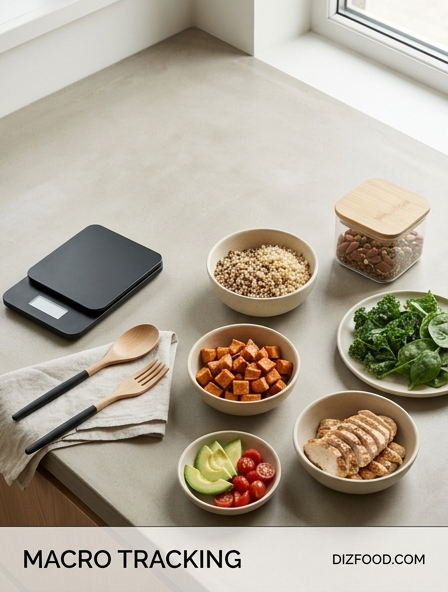
Successful calorie management is often a game of inches, where small errors in estimation can accumulate into significant discrepancies. To ensure precision, the modern kitchen must be equipped with tools that remove the guesswork from food preparation. Digital scales are the most critical tool, as they provide weight-based measurements which are far more accurate than volumetric measurements like cups or spoons, which can vary based on how tightly a food is packed.
Implementing a systematic approach to tracking involves weighing ingredients in their raw state whenever possible. This prevents the confusion that arises from moisture loss or gain during the cooking process. Furthermore, using standardized containers for meal storage helps in maintaining consistent portion sizes throughout the week. The following table highlights essential tools for maintaining a precise calorie deficit:
| Tool | Primary Function | Impact on Tracking |
|---|---|---|
| Digital Food Scale | Measures weight in grams/ounces | Eliminates 20-30% error margin of cups |
| Oil Misters | Controls fat distribution | Reduces hidden calories from oils |
| Logbooks/Apps | Data entry and storage | Provides historical trends and macros |
| Graduated Pitchers | Hydration monitoring | Ensures adequate water intake |
High Volume Meal Prep Techniques
Volumetrics is a dietary strategy centered on eating a high volume of food with low energy density. This technique is particularly effective in a calorie deficit because it utilizes the physical stretching of the stomach to signal fullness to the brain. In the kitchen, this involves bulking out traditional meals with ingredients that contain high amounts of water and fiber. For example, a standard pasta dish can be transformed by replacing half the noodles with spiralized zucchini or "zoodles."
Another common technique is the integration of "air" and "moisture" into meals. Whipping egg whites into oatmeal or using cauliflower rice as a base for stir-fries can double the size of a meal for a fraction of the calories. These methods allow an individual to feel visually and physically satisfied, reducing the likelihood of late-night snacking. High volume prep requires creativity but results in a sustainable way to enjoy large, hearty portions while remaining well within fat loss parameters.
- Incorporate riced cauliflower into grains and stews.
- Use shredded cabbage or lettuce as a base for every bowl.
- Add mushrooms to ground meat to increase bulk and umami flavor.
- Utilize konjac noodles for near-zero calorie pasta alternatives.
Protein Focused Planning for Muscle Retention
When the body is in a calorie deficit, it seeks energy from stored sources. Without adequate protein intake, the body may break down muscle tissue to obtain necessary amino acids. Muscle is metabolically active tissue; preserving it is vital for maintaining a healthy metabolic rate. Therefore, planning meals around a lean protein source is the most effective way to ensure that weight loss comes primarily from fat stores rather than lean mass.
Protein also has the highest Thermic Effect of Food (TEF), meaning the body burns more calories digesting protein than it does fats or carbohydrates. This provides a slight metabolic advantage. To optimize muscle protein synthesis, intake should be distributed evenly throughout the day. The following steps outline an effective protein-focused kitchen strategy:
- Calculate daily protein needs based on 0.8g to 1g per pound of body weight.
- Select lean sources such as chicken breast, white fish, egg whites, and seitan.
- Prepare protein portions in advance to avoid convenient, high-carb snacks.
- Incorporate dairy sources like Greek yogurt for high-protein, low-calorie desserts.
Smart Ingredient Swaps for Calorie Control
Reducing calories does not necessitate the elimination of favorite flavors; rather, it requires the intelligent substitution of high-calorie ingredients for lower-calorie alternatives. These swaps focus on reducing fats and sugars, which are the most calorie-dense components of most recipes. For instance, replacing full-fat mayonnaise with non-fat Greek yogurt can save hundreds of calories in a single salad dressing without sacrificing creamy texture.
Sweeteners and cooking fats are the most frequent culprits of "hidden" calories. Utilizing non-nutritive sweeteners and cooking with broths or water instead of butter or oil can significantly drop the energy density of a dish. Small changes, when applied consistently across all meals, create a cumulative effect that facilitates a deficit without requiring massive changes to meal frequency or volume. The table below provides common kitchen swaps:
| Traditional Ingredient | Lower Calorie Swap | Benefit |
|---|---|---|
| Whole Milk / Cream | Unsweetened Almond Milk | Reduced fat and sugar content |
| Granulated Sugar | Erythritol or Stevia | Zero glycemic impact |
| Ground Beef (80/20) | Ground Turkey or 96% Lean Beef | Drastic reduction in saturated fats |
| Sour Cream | Plain Non-fat Greek Yogurt | Added protein and probiotics |
Batch Cooking for Consistent Fat Loss
Decision fatigue is a primary reason many individuals fail to maintain a calorie deficit. When tired or stressed, the brain tends to opt for the most convenient food source, which is rarely the most diet-friendly. Batch cooking mitigates this risk by ensuring that calorie-controlled meals are readily available. By spending a few hours on a weekend preparing bulk quantities of protein, grains, and roasted vegetables, one can construct a week's worth of meals that fit perfectly within their macros.
This "assembly line" approach in the kitchen also allows for better tracking. It is much easier to weigh and log a large pot of chili once and divide it into five portions than it is to track fifteen individual ingredients every single night. Consistency is the hallmark of fat loss; batch cooking provides the structural support needed to remain consistent even during busy work weeks. Furthermore, it often leads to financial savings and less food waste, as ingredients are used more efficiently in large quantities.
Managing Hunger with Fiber and Water
Hunger is an inevitable physiological response to a calorie deficit, but it can be managed through strategic intake of fiber and water. Fiber slows the rate of gastric emptying, meaning food stays in the stomach longer, extending the feeling of fullness. There are two types of fiber-soluble and insoluble-and both play a role in metabolic health. Soluble fiber forms a gel-like substance that improves insulin sensitivity, while insoluble fiber adds bulk to the stool and aids in digestion.
Hydration is equally important. The brain often confuses thirst signals with hunger signals, leading to unnecessary snacking. Drinking a glass of water before each meal can increase satiety and reduce the total amount of food consumed. In the kitchen, focus on high-fiber vegetables and legumes as the foundation of your dishes. These foods require more chewing, which allows more time for the body to register fullness signals before overconsumption occurs.
- Consume at least 25-35 grams of fiber per day.
- Drink 500ml of water 30 minutes before every meal.
- Include chia seeds or flaxseeds in smoothies for extra satiety.
- Opt for whole fruit over fruit juices to retain fiber content.
The Role of Micronutrients in Satiety
While macronutrients provide the energy, micronutrients-vitamins and minerals-act as the catalysts for metabolic processes. A deficiency in certain micronutrients can actually trigger cravings, as the body signals for more food in an attempt to obtain the missing nutrients. For example, magnesium and chromium play vital roles in blood sugar regulation. When these are low, an individual may experience intense cravings for sugar or carbohydrates, making a calorie deficit much harder to sustain.
Ensuring a broad spectrum of micronutrients through a varied diet of colorful plants and lean proteins helps maintain the hormonal balance necessary for fat loss. Hormones like leptin and ghrelin, which control hunger and satiety, are influenced by the overall nutritional status of the body. By viewing food as a source of information rather than just fuel, one can fine-tune their kitchen habits to support a healthy endocrine system. This holistic approach ensures that the body does not feel "starved" of nutrients, even when it is in an energy deficit.
Long Term Strategies for Metabolic Health
Maintaining a calorie deficit indefinitely is neither possible nor healthy. Long-term metabolic health requires a cyclical approach to dieting, incorporating maintenance phases and "diet breaks." These periods of eating at maintenance calories allow the body to downregulate stress hormones like cortisol and restore thyroid hormone levels that may dip during prolonged restriction. This prevents the "starvation mode" effect where the metabolism slows down excessively to compensate for low intake.
The goal of any fat loss phase should be to reach a target weight and then transition into a lifestyle that prevents weight regain. This involves slowly increasing calories-often called reverse dieting-to find the new maintenance level. By focusing on sustainable habits rather than quick fixes, individuals can protect their metabolic rate and enjoy a wider variety of foods. The following steps facilitate a healthy transition:
- Implement a 1-week maintenance break every 8 to 12 weeks of dieting.
- Gradually reintroduce calories in 100-calorie increments post-diet.
- Prioritize strength training to boost resting metabolic rate.
- Focus on non-exercise activity thermogenesis (NEAT) for daily energy expenditure.





Comments