
Elevating Your Dining Room Aesthetics
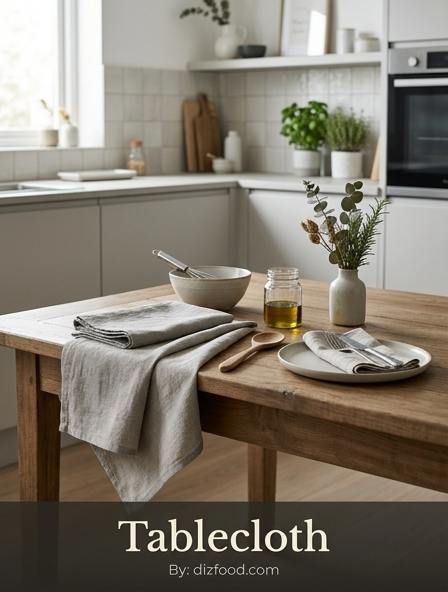
The dining room often serves as the heart of a home, and the choice of a tablecloth is central to establishing its visual identity. Beyond its utilitarian functions, a tablecloth acts as a versatile canvas that dictates the color palette and mood of the entire culinary space. By introducing vibrant hues or subtle neutrals, homeowners can instantly shift the energy of a room from energetic and playful to calm and sophisticated. This textile layer hides imperfections on older furniture surfaces, providing a fresh start for any meal. Furthermore, the drape of the fabric adds a sense of movement and softness to a room typically filled with hard lines and solid furniture. A carefully selected pattern, whether it be a classic floral or a modern geometric print, serves as a focal point that ties together other decorative elements like curtains and wall art. This aesthetic flexibility ensures that the kitchen remains an inviting environment for both family members and guests alike.
- Infuses color into monochromatic kitchen spaces.
- Conceals surface wear and tear on aged tables.
- Softens the visual impact of heavy wooden or metal furniture.
- Allows for easy seasonal decoration changes at a low cost.
Shielding Tables from Scratches and Dents
Everyday activities in the kitchen place significant stress on table surfaces, making the use of a tablecloth essential for maintaining structural integrity. From the sliding of ceramic plates to the accidental drop of heavy cutlery, the potential for scratches and dents is constant. A thick fabric barrier acts as a shock absorber, distributing the force of impact and preventing sharp edges from making direct contact with the wood, glass, or stone. This is particularly important in households with children, where craft projects and homework sessions often take place on the dining table. Without this protective layer, the fine finish of a table can quickly become marred by unsightly gouges that are difficult and expensive to repair. By investing in a durable tablecloth, you ensure that the primary surface of your dining area remains pristine and free from the physical evidence of daily wear and tear.
| Source of Damage | Tablecloth Protective Benefit |
|---|---|
| Metal Cutlery | Prevents micro-scratches from fork and knife contact. |
| Heavy Centerpieces | Distributes weight and prevents surface compression. |
| Childhood Activities | Shields against pen indentations and tool marks. |
Effective Heat Damage Prevention
One of the most common threats to high-quality kitchen furniture is thermal damage. Placing hot serving platters, steaming bowls of soup, or even a hot cup of coffee directly onto a wooden table can cause "blanching," which results in permanent white cloudy marks in the finish. A tablecloth provides a critical layer of insulation that slows the transfer of heat from the dish to the furniture surface. While a thin cloth offers basic protection, layering it with a felt under-cloth or using a thick cotton weave can significantly enhance its heat-resistant properties. This preventative measure is much simpler than the intensive sanding and refinishing required to fix heat-damaged wood. To maximize safety during hot meals, homeowners should follow a systematic approach to table setting:
- Lay down a heat-resistant table pad or thick under-cloth.
- Drape the primary decorative tablecloth over the pad.
- Use additional trivets for items coming directly from the oven.
- Ensure the tablecloth is dry, as moisture can conduct heat faster.
Enhancing the Formal Meal Atmosphere
The presence of a tablecloth is often the most significant visual cue that a meal has transitioned from a casual snack to a formal dining event. In the world of hospitality, a crisp, well-pressed tablecloth signifies respect for the guests and a commitment to the ritual of dining. Traditionally, white linen or damask cloths are used for high-level formality, creating a sense of luxury and cleanliness. The fabric also provides a backdrop that allows fine china, polished silverware, and crystal glassware to stand out. Beyond the visual appeal, the tactile experience of resting one's arms on soft fabric rather than a cold, hard surface enhances the comfort of the meal. This added comfort encourages guests to linger longer at the table, promoting deeper conversation and a more relaxed dining experience. Whether it is a holiday feast or a celebratory dinner party, the tablecloth sets the stage for a sophisticated and memorable gathering that honors the occasion.
Managing Spills and Moisture Control
Liquids are the natural enemy of many tabletop materials, especially porous wood and certain types of stone. A tablecloth serves as the first line of defense against spills, absorbing liquids before they can seep into the table's grain or cause water rings. Modern textile technology has introduced many liquid-repellent fabrics that allow spills to bead up on the surface for easy wiping. This moisture control is vital not only for accidental spills of wine or juice but also for the condensation that forms on the bottom of cold pitchers and glasses. Without protection, this condensation can sit on the table for the duration of a meal, causing the finish to swell or discolor. By utilizing a tablecloth, you create a sacrificial layer that handles the mess, keeping the underlying furniture dry and safe. This is especially useful during large gatherings where monitoring every glass becomes impossible.
- Prevents the formation of permanent water rings.
- Absorbs liquid to prevent runoff onto the floor.
- Provides a barrier against acidic food stains like tomato sauce.
- Allows for quick cleanup using machine-washable fabrics.
The Role of Texture in Elegant Decor
Texture is a frequently overlooked element in kitchen design, yet it plays a vital role in creating a multi-dimensional and luxurious environment. A tablecloth introduces a tactile quality that hard surfaces simply cannot provide. For instance, a coarse linen cloth evokes a rustic, farmhouse charm that feels grounded and organic, while a smooth silk or sateen finish suggests opulence and modern refinement. The interplay between the texture of the tablecloth and the textures of other items-such as ceramic plates, woven placemats, and metallic napkin rings-creates a rich visual hierarchy. This layering of materials makes the dining setup feel curated rather than accidental. Additionally, texture can influence the perceived temperature of a room; heavy, fuzzy fabrics like wool blends provide a sense of warmth during winter months, whereas light, airy cottons make the kitchen feel cooler and more breathable during the summer. By thoughtfully selecting textures, homeowners can manipulate the sensory experience of their dining space to suit any season or style.
Sound Dampening for Better Conversations
Kitchens and dining rooms are often filled with reflective surfaces like tile floors, glass windows, and stone countertops, which can create an echo-heavy environment. This acoustic "hardness" often results in the clattering of plates and the clinking of glasses sounding much louder and more disruptive than necessary. A tablecloth acts as an acoustic absorber, deadening the sharp sounds of dining activity. By breaking up the flat, hard surface of the table, the fabric prevents sound waves from bouncing directly back into the room. This reduction in ambient noise makes it significantly easier for guests to hear one another, fostering a more intimate and pleasant conversational atmosphere. This is particularly beneficial during large dinner parties where multiple conversations are happening simultaneously. The dampening effect of the fabric ensures that the background noise remains at a manageable level, allowing the focus to remain on the social interaction rather than the cacophony of the kitchen.
- Reduces the sharp "clack" of ceramic on hard surfaces.
- Muffles the vibration of mobile devices placed on the table.
- Softens the overall ambient echo in the dining area.
- Enhances the clarity of speech during group meals.
Protecting High Value Furniture Investments
For many homeowners, a dining table is a significant financial investment or a cherished family heirloom. Maintaining the resale value and physical condition of such a piece requires proactive care. A tablecloth serves as an insurance policy for your furniture, shielding it from the inevitable hazards of daily life. Over time, exposure to sunlight can cause wood to fade or "sunburn," but a tablecloth provides a consistent UV barrier that preserves the original stain and color of the timber. Furthermore, the cost of a high-quality tablecloth is a fraction of the cost of professional furniture restoration. By keeping the table covered, you prevent the gradual accumulation of micro-abrasions that dull a finish over years of use. This preservation is essential for those who view their furniture as an asset that may be passed down to future generations or sold in the future.
| Asset Feature | Preservation Method |
|---|---|
| Wood Grain/Color | UV protection prevents fading from window light. |
| Lacquer Finish | Shielding prevents chemical etching from spills. |
| Structural Integrity | Moisture barrier prevents warping and joint swelling. |
Simplified Maintenance and Longevity
Cleaning a large dining table can be a labor-intensive task, especially if the surface requires specific wood cleaners, oils, or polishes to maintain its luster. A tablecloth significantly simplifies this maintenance routine. Instead of carefully scrubbing a delicate surface after every meal, one can simply remove the cloth and toss it into the washing machine. This is particularly advantageous for busy families who use their kitchen table for three meals a day. The use of a tablecloth also extends the longevity of the table's finish by reducing the frequency of deep cleanings and the use of harsh chemical sprays. Many modern tablecloths are designed with stain-release technology, ensuring that even stubborn spills like red wine or gravy are easily removed in a standard wash cycle. By alternating between several different cloths, you can keep your kitchen looking fresh and clean with minimal effort, while ensuring the furniture underneath remains in showroom condition for decades to come.
Defining Your Kitchen Design Theme
The tablecloth is a powerful tool for defining and reinforcing the overarching design theme of a kitchen. Because it occupies a large visual area, it can serve as the primary indicator of a specific style, whether it be rustic, coastal, industrial, or traditional. For a Mediterranean feel, one might choose a cloth with blue and white tiles or lemon motifs. Conversely, a minimalist modern kitchen might benefit from a solid charcoal grey or black linen cloth that emphasizes clean lines and simplicity. This allows for total stylistic transformation without the need for expensive renovations or new furniture. Changing the tablecloth is the easiest way to update a room's look for different holidays or special events, providing a sense of renewal and variety. When coordinated with other textiles like dish towels and seat cushions, the tablecloth creates a cohesive and professional interior design look.
- Establishes a clear stylistic direction for the room.
- Coordinates diverse kitchen accessories into a single theme.
- Allows for inexpensive experimentation with new design trends.
- Creates a sense of harmony between the table and the architecture.


Comments