
If you're staring down a pile of oily pans and wondering which soap will actually save your scrubbing arm, the debate between phosphate-free and traditional detergents is more relevant than ever. For decades, traditional detergents relied on phosphates to soften hard water and obliterate kitchen grease, but their environmental cost-namely toxic algae blooms in our waterways-led to a massive shift toward eco-friendly alternatives. Modern phosphate-free formulas have evolved significantly, swapping out harsh chemicals for advanced enzymes and plant-based surfactants that target food proteins and fats at a molecular level. While traditional soaps offer raw chemical power, today's phosphate-free options provide a high-performance, sustainable clean that proves you don't have to sacrifice your drains to get a grease-free shine.
| Feature | Traditional (Phosphate-Based) | Phosphate-Free (Eco-Friendly) |
|---|---|---|
| Primary Mechanism | Chemical mineral stripping & emulsification | Enzymatic breakdown (protease/amylase) |
| Grease Cutting | Aggressive; dissolves heavy oils instantly | High; lifts fats using bio-surfactants |
| Hard Water Fix | Excellent; binds minerals effectively | Moderate; requires citric acid or chelators |
| Eco-Impact | High; causes aquatic eutrophication | Low; biodegradable & waterway safe |
| Residue Profile | Squeaky clean, but high chemical runoff | Film-free (if using high-quality enzymes) |
| Skin Sensitivity | Can be abrasive/drying to hands | Typically pH-balanced and gentler |
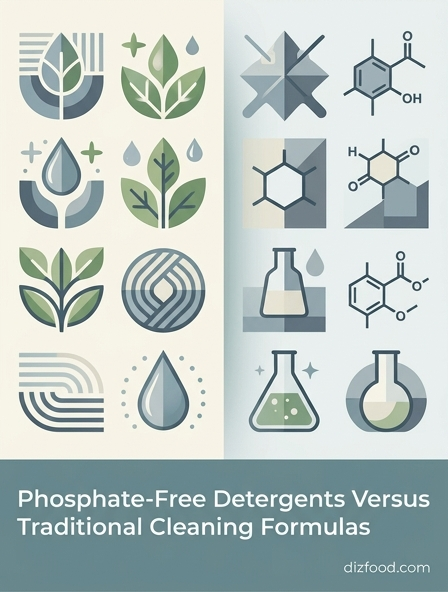
Environmental Impact of Phosphates vs Phosphate-Free Alternatives
For decades, phosphates were the primary additive in kitchen detergents, prized for their ability to break down grease and soften hard water. However, the environmental toll of these chemicals became impossible to ignore as they transitioned from kitchen drains into local waterways. Phosphates act as a potent fertilizer, and when they enter lakes and rivers, they trigger a process known as cultural eutrophication. This leads to an overgrowth of aquatic plants that eventually depletes oxygen levels, killing fish and destroying local biodiversity.
Phosphate-free alternatives utilize biodegradable surfactants and mineral-based softeners that break down rapidly without leaving a lasting footprint on the ecosystem. Modern formulations focus on achieving high-level sanitation while ensuring that the effluent water does not contribute to the degradation of natural habitats. The transition represents a shift from a "performance at any cost" mindset to one of ecological responsibility.
- Phosphates: Contribute to nutrient pollution and "dead zones" in aquatic environments.
- Sodium Carbonate: A common phosphate-free builder that helps maintain pH levels safely.
- Citrates: Derived from citrus fruits, these act as effective, biodegradable chelating agents.
- Zeolites: Mineral-based alternatives that assist in water softening without toxic runoff.
Cleaning Performance of Traditional Versus Eco-Friendly Detergents
The historical argument against phosphate-free detergents was their perceived lack of cleaning power. Traditional formulas used phosphates to prevent food particles from re-depositing on dishes during the wash cycle. In the early days of the phosphate ban, many consumers noticed a "cloudy" film on glassware and less effective grease removal in their dishwashers. However, chemical engineering has advanced significantly, closing the performance gap through the use of complex enzyme blends.
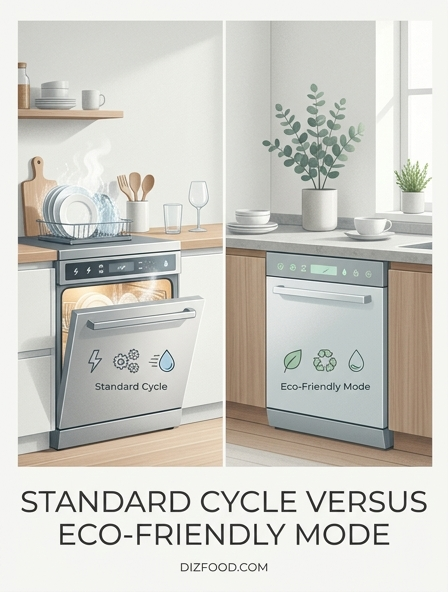
Modern eco-friendly detergents often outperform older traditional formulas by utilizing specific enzymes that target proteins and starches. While traditional detergents relied on harsh alkalinity to strip away waste, modern formulas use a more surgical approach to break down organic matter at lower temperatures, which is both energy-efficient and effective.
| Feature | Traditional (Phosphate-Based) | Eco-Friendly (Phosphate-Free) |
|---|---|---|
| Grease Removal | High (via harsh alkalinity) | High (via plant-based surfactants) |
| Residue Prevention | Excellent (via phosphates) | Improved (via polymers and citrates) |
| Water Temperature | Requires very hot water | Effective in cool and warm cycles |
| Enzymatic Action | Low to moderate | High (Protease and Amylase blends) |
How Phosphate-Free Formulas Prevent Harmful Algal Blooms
The primary driver behind the removal of phosphates from kitchen cleaning agents was the proliferation of harmful algal blooms (HABs). In a balanced ecosystem, phosphorus is a limiting nutrient; its scarcity keeps algae populations in check. When phosphate-heavy dish soaps and detergents enter the water cycle, they provide an artificial "feast" for cyanobacteria. This results in rapid, thick growth on the water's surface, which blocks sunlight from reaching underwater plants.
- Nutrient Influx: Phosphates from kitchen drains enter the wastewater stream and eventually reach lakes.
- Rapid Proliferation: Algae consume the phosphorus and multiply at exponential rates.
- Oxygen Depletion: As algae die and decompose, bacteria consume the dissolved oxygen in the water.
- Hypoxia: Fish and other aquatic life suffocate due to the lack of oxygen, creating a dead zone.
Phosphate-free formulas utilize alternative builders like sodium silicate or gluconates. These compounds provide the necessary alkalinity and mineral management for clean dishes without providing the nutrient surge that fuels these toxic blooms. By switching to these formulas, households directly reduce the "nutrient loading" that threatens the safety of recreational and drinking water sources.
Chemical Composition of Modern Cleaning Agents Explained
Understanding what replaces phosphates requires a look into modern green chemistry. In the absence of phosphorus, manufacturers have turned to a combination of builders, chelating agents, and enzymes. Builders are responsible for neutralizing the minerals in hard water-specifically calcium and magnesium-which would otherwise interfere with the detergent's ability to create suds and lift oils from plates and cutlery.
The most common replacements include sodium carbonate (soda ash), which boosts alkalinity, and sodium citrate, which acts as a sequestering agent. Furthermore, modern detergents utilize "bio-surfactants" derived from coconut or corn oil rather than petroleum. These molecules have a hydrophilic head and a hydrophobic tail, allowing them to bridge the gap between water and oil, lifting grease off kitchen surfaces and suspending it so it can be rinsed away safely.
- Proteases: Enzymes that break down protein-based stains like meat, egg, and cheese.
- Amylases: Enzymes designed to dismantle starches from pasta, potatoes, and rice.
- Lipases: Specific enzymes that target fats and oily residues.
- Sodium Percarbonate: An oxygen-based bleaching agent that brightens without the toxicity of chlorine.
Phosphate Bans and the Evolution of Laundry Regulations
The transition away from phosphates was not a voluntary move by the industry but rather a response to stringent legislative changes. Beginning in the 1970s, various regions across North America and Europe started limiting phosphate content in laundry detergents. By the early 2010s, these regulations expanded significantly to include automatic dishwasher detergents. This shift forced chemical manufacturers to innovate, leading to the "Green Chemistry" revolution that defines today's kitchen cleaning market.
The evolution of these regulations was met with initial resistance from consumers who found that their dishes were no longer coming out "sparkling clean." This prompted a second wave of innovation where manufacturers perfected the use of zeolites and polycarboxylates. Today, the regulations are so pervasive that finding a phosphate-based detergent in a standard grocery store is nearly impossible. This regulatory success story demonstrates how policy can drive environmental protection without sacrificing the essential hygiene standards required in the modern kitchen.
Gentle on Skin: Health Benefits of Phosphate-Free Soap
Beyond the environmental advantages, phosphate-free cleaning agents offer significant health benefits for the user. Phosphates are notoriously alkaline and can be highly abrasive to the skin. For individuals who wash dishes by hand, frequent exposure to traditional formulas often results in contact dermatitis, characterized by dry, cracked, and itchy skin. By removing these harsh builders, manufacturers have been able to create formulations that are much closer to the skin's natural pH.
Furthermore, phosphate-free soaps typically omit other irritants such as synthetic fragrances, dyes, and chlorine bleach. This makes them an ideal choice for households with children or individuals with chemical sensitivities. When you clean your kitchen surfaces or hand-wash your cookware with these milder alternatives, you reduce the risk of respiratory irritation caused by the "chemical mist" often associated with high-strength traditional cleaners.
- Hypoallergenic Properties: Lower risk of allergic reactions and skin redness.
- Reduced Chemical Residue: Fewer toxic films left on plates, bowls, and silverware.
- Safe for Sensitive Skin: Formulated without the caustic additives found in industrial-grade cleaners.
The Truth About Water Softening Without Added Phosphates
One of the hardest roles to fill after the removal of phosphates was water softening. In a kitchen environment, hard water is the enemy of cleanliness; it reacts with soap to create "scum" and leaves white mineral spots on glasses. Phosphates were exceptionally good at "sequestering" these minerals, essentially locking them away so they couldn't interfere with the cleaning process. To achieve the same result today, phosphate-free detergents rely on a tiered approach of modern chemicals.
| Softening Agent | Function | Benefit |
|---|---|---|
| Sodium Citrate | Binds to calcium ions | Biodegradable and non-toxic |
| Zeolites | Ion exchange mechanism | Traps minerals in a molecular cage |
| Polycarboxylates | Dispersing agent | Prevents mineral scale buildup |
| Gluconates | Chelating agent | Highly effective in alkaline conditions |
While the mechanism is more complex than the single-action phosphate approach, the result is the same: soft water that allows surfactants to work efficiently. For those in extremely hard water areas, modern phosphate-free detergents are often supplemented with rinse aids that use citric acid to ensure a spot-free finish.
Sustainable Cleaning: Long-Term Benefits for Your Household
Adopting phosphate-free cleaning habits provides long-term benefits that extend beyond the immediate sparkle of a clean countertop. One of the most significant advantages is the preservation of household infrastructure. Traditional detergents can be highly corrosive to the rubber seals and plastic components inside dishwashers. Phosphate-free formulas, being generally milder and less caustic, can help extend the lifespan of these expensive kitchen appliances.
Additionally, for homes utilizing septic systems, phosphate-free products are a necessity. Phosphates can disrupt the delicate bacterial balance in a septic tank, leading to clogs and expensive maintenance issues. By choosing sustainable cleaners, you ensure that your home's waste management system functions efficiently. This proactive approach to cleaning reduces the frequency of repairs and contributes to a healthier indoor environment by minimizing the presence of harsh volatile organic compounds (VOCs).
Protecting Aquatic Ecosystems Through Better Detergent Choices
The kitchen is the heart of the home, but it is also a direct gateway to the natural world. Every milliliter of detergent rinsed off a sponge eventually finds its way into the larger water cycle. By opting for phosphate-free formulas, consumers are participating in a global effort to protect aquatic ecosystems. This choice helps maintain the delicate balance of life in rivers and estuaries, ensuring that fish populations remain healthy and that water remains safe for human consumption and recreation.
Protecting these ecosystems also has economic implications. Many communities rely on clean water for tourism and commercial fishing. The removal of phosphates from the kitchen helps prevent the economic devastation caused by water closures and fish kills. It is a small change in consumer behavior that yields massive dividends for the planet's health.
- Biodiversity Preservation: Protects the food chain from the bottom up.
- Water Clarity: Reduces the turbidity caused by excessive organic growth.
- Resource Management: Lowers the cost of municipal water treatment by reducing nutrient loads.
Comparing the Cost and Value of Phosphate-Free Formulas
When phosphate-free detergents first hit the market, they were often positioned as premium, "specialty" products with a higher price tag. However, as production has scaled and consumer demand has increased, the price gap has virtually disappeared. In many cases, phosphate-free detergents offer better value because they are more concentrated. A smaller amount of a high-quality, enzyme-rich formula can often clean a full load of dishes more effectively than a larger scoop of a cheap, filler-heavy traditional powder.
| Factor | Phosphate-Free Value | Traditional Value |
|---|---|---|
| Price per Wash | Comparable to slightly higher | Generally lower upfront |
| Efficiency | High (concentrated) | Moderate (higher volume needed) |
| Appliance Wear | Low (gentle formulas) | High (potential corrosion) |
| Environmental Cost | Negligible | High (ecosystem damage) |
When evaluating the true cost, one must also consider the "hidden" expenses of traditional cleaners, such as the environmental taxes often levied to clean up polluted waterways or the cost of replacing worn-out dishwasher parts. In the modern kitchen, phosphate-free formulas represent the smartest investment for both the pocketbook and the planet.





Comments