
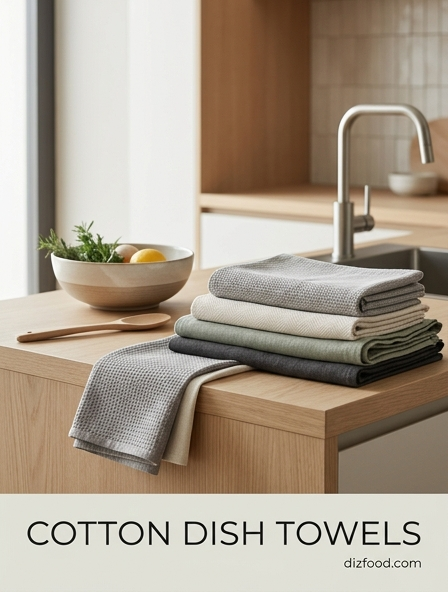
When you're facing a major kitchen spill, nothing beats the dependable performance of traditional cotton dish towels. These kitchen staples are essential because their natural fibers offer superior thirstiness, allowing them to soak up heavy puddles and messy overflows without simply spreading the liquid around. Unlike some modern synthetic alternatives, high-quality cotton is exceptionally durable and maintains its absorbency even after several uses during a busy cooking session. Its breathable weave makes it a true powerhouse for both heavy-duty cleaning and delicate drying tasks. To discover which material is best for your specific needs, check out our detailed guide on Cotton Dish Towels Versus Microfiber Drying Cloths.
Superior Absorbency of Natural Cotton Fibers
Natural cotton fibers possess a unique hollow structure known as the lumen, which acts as a primary channel for liquid intake. Unlike synthetic materials that merely move moisture across a surface, cotton utilizes its high cellulose content to draw liquids into the core of the fiber. This cellular architecture allows a high-quality kitchen towel to hold several times its own weight in water, making it indispensable for drying glassware and ceramic plates without leaving streaks. The inherent hydrophilicity of cotton ensures that even a single pass can significantly reduce surface moisture on kitchen countertops.
- High cellulose concentration for maximum moisture retention.
- Porous fiber structure facilitates rapid liquid uptake.
- Minimal linting during the drying process of delicate stemware.
- Natural breathability allows the towel to air dry faster between uses.
The efficacy of cotton is further enhanced by the way the fibers swell when wet, creating a larger surface area that traps moisture deep within the weave. This physical transformation ensures that the liquid remains contained until the towel is wrung out or laundered, providing a reliable tool for maintaining a dry and clean cooking environment.
Durability for Heavy Duty Kitchen Cleanups
In a professional or high-activity home kitchen, linens are subjected to rigorous mechanical stress, including constant scrubbing, twisting, and high-temperature laundering. Cotton dish towels are prized for their tensile strength, which actually increases when the fibers are saturated with water. This characteristic prevents the fabric from tearing or fraying during aggressive cleaning tasks, such as scouring dried food particles from cast iron skillets or wiping down textured stone surfaces.
| Feature | Impact on Durability |
|---|---|
| Wet Tensile Strength | Increases by 20% when damp, preventing fiber breakage. |
| Abrasion Resistance | Withstands repeated friction against rough kitchen surfaces. |
| Launderability | Resists structural degradation even after hundreds of wash cycles. |
Furthermore, the long-staple cotton often used in premium dish towels ensures that the yarns remain tightly spun. This reduces the likelihood of pilling or thinning over time. By investing in durable cotton linens, users ensure that their cleaning tools remain effective for years, maintaining their structural integrity even when exposed to harsh detergents or frequent bleaching cycles necessary for deep sanitization.
Eco Friendly Alternative to Paper Towels
The shift toward sustainable kitchen practices has highlighted the environmental impact of single-use paper products. Cotton dish towels offer a renewable and biodegradable solution that significantly reduces household waste. While paper towels require vast amounts of wood pulp and chemical processing for a one-time use, a single cotton towel can replace thousands of disposable sheets over its lifespan. This reduction in consumption lowers the carbon footprint associated with the manufacturing and disposal of paper waste.
- Reduction in landfill contributions from single-use disposables.
- Lower long-term carbon emissions compared to paper production.
- Biodegradability of natural fibers at the end of the product lifecycle.
- Decreased chemical runoff from industrial paper bleaching processes.
Choosing cotton also supports the use of natural agricultural products over petroleum-based synthetics. When a cotton towel eventually reaches the end of its utility, it can be repurposed as a garage rag or composted, provided it is free of synthetic dyes. This circular lifecycle aligns with modern eco-conscious living, ensuring that the kitchen remains functional without compromising environmental integrity or contributing to the global plastic crisis.
The Science of Cotton Fiber Surface Tension
The interaction between cotton fibers and liquid spills is governed by the principles of capillary action and surface tension. Cotton is composed of polymers of glucose, which contain hydroxyl groups. These groups create a strong molecular attraction to water molecules through hydrogen bonding. When a cotton towel touches a spill, the surface tension of the liquid is broken as the water is pulled into the microscopic gaps between the fibers. This process is nearly instantaneous, allowing the towel to "grab" the liquid before it spreads across the counter.
The physical geometry of the woven fabric also plays a critical role. Each yarn consists of thousands of twisted fibers that create narrow channels. These channels act as capillaries, drawing liquid upward against gravity. This scientific phenomenon explains why cotton is superior to smooth synthetic fabrics, which often lack the necessary microscopic "hooks" and pores to break liquid surface tension effectively. By leveraging these natural chemical and physical properties, cotton towels provide a high-performance cleaning experience that relies on the fundamental laws of physics to manage kitchen moisture and spills efficiently.
Handling Large Volume Liquid Spills Efficiently
When a significant volume of liquid, such as a tipped pitcher of water or a soup boil-over, occurs in the kitchen, the speed of recovery is vital to prevent floor damage or safety hazards. Cotton dish towels are engineered to handle such tasks through their high-density weave. Unlike thin rags, a heavyweight cotton towel can absorb and lock in a large volume of fluid, allowing the user to transport the saturated cloth to the sink without excessive dripping. This efficiency is enhanced by the folding technique used during the cleanup process.
- Fold the towel into quarters to create multiple absorbent layers.
- Place the towel directly over the center of the spill to initiate wicking.
- Use a blotting motion rather than a wiping motion for maximum intake.
- Wring the towel thoroughly to reset its absorbent capacity for the next pass.
The ability of cotton to hold moisture securely within its matrix is particularly useful for managing oily or viscous liquids. While synthetic fibers might smear grease, the natural texture of cotton traps these substances, making the removal of spilled sauces or oils much cleaner and more efficient than using disposable alternatives or sponges.
Comparing Cotton vs Synthetic Microfiber Performance
The choice between cotton and microfiber often depends on the specific kitchen task at hand. While microfiber is lauded for its ability to trap dust and bacteria, cotton remains the industry standard for general kitchen utility due to its versatility and heat management. Synthetic fibers are essentially plastics, which means they can melt when they come into contact with hot surfaces, a common occurrence in any cooking environment. Cotton, being a natural cellulose fiber, handles high temperatures with ease, making it safer for a variety of tasks.
| Attribute | Natural Cotton | Synthetic Microfiber |
|---|---|---|
| Heat Resistance | High; does not melt. | Low; can melt on stovetops. |
| Absorption Speed | Very Fast. | Moderate; requires contact. |
| Environment | Biodegradable. | Releases microplastics. |
| Oil Removal | Good. | Excellent. |
Cotton towels also offer a different tactile experience, often becoming softer and more absorbent with every wash. Microfiber, conversely, can lose its "grabby" texture if washed with fabric softeners or dried on high heat. For heavy-duty drying and handling hot cookware, the structural stability and safety profile of cotton provide a clear advantage in a busy kitchen setting where heat and moisture are constant factors.
Heat Resistance and Versatile Kitchen Utility
Beyond simple cleaning and drying, cotton dish towels serve as a critical safety tool for heat management. The thermal properties of cotton allow it to act as an effective barrier against high temperatures. Whether pulling a warm tray from the oven or stabilizing a hot mixing bowl, the thickness of a folded cotton towel provides necessary insulation. This versatility eliminates the need for multiple specialized tools, as one well-made towel can transition from a drying cloth to a temporary pot holder or a trivet for protecting sensitive tabletops.
- Use as a buffer when handling warm pot lids.
- Place under cutting boards to prevent slipping during knife work.
- Wrap around cooked dough to maintain moisture and warmth.
- Serve as a protective layer between stacked delicate pans.
It is important to note that cotton should only be used for heat protection when dry, as moisture conducts heat quickly and can lead to steam burns. However, the natural resistance of the fiber to scorching and melting ensures that it remains a reliable and multi-functional asset. Its ability to perform these diverse roles makes it one of the most hardworking items in any chef's inventory.
Cost Effective Spill Management for Home Chefs
Financial efficiency in the kitchen often involves looking at the total cost of ownership rather than the initial purchase price. Cotton dish towels represent a significant long-term saving compared to the recurring expense of paper towels. A single pack of high-quality cotton linens can last for several years, even with daily use and weekly laundering. When calculated over a five-year period, the cost of maintaining a set of cotton towels is a fraction of the hundreds of dollars spent on disposable paper rolls.
This cost-effectiveness extends to the reduction of waste management fees and the decreased need for specialized cleaning chemicals, as the physical texture of cotton often requires less detergent to achieve a clean surface. For home chefs who prioritize both performance and budget, the transition to reusable cotton is a logical choice. Furthermore, because cotton is so durable, these towels do not need to be replaced frequently due to wear and tear. They maintain their functionality through countless spills and washes, providing a consistent return on investment that far outweighs the convenience of disposables. The initial investment in a dozen towels pays for itself within months of reduced grocery spending.
Maintaining Hygiene with Washable Cotton Linens
Hygiene is paramount in food preparation areas, and cotton towels provide a reliable way to maintain a sanitary environment through their ability to withstand high-temperature sterilization. Unlike sponges, which can harbor bacteria in their deep pores and are difficult to clean thoroughly, cotton towels can be tossed into a heavy-duty laundry cycle. Exposure to hot water and high-heat drying effectively kills the majority of food-borne pathogens, ensuring the towel is fresh and safe for the next use.
- Wash towels in hot water (at least 60°C) to eliminate bacteria.
- Avoid fabric softeners which can coat fibers and reduce absorbency.
- Use oxygen-based bleaches for deep disinfection of white towels.
- Ensure towels are completely dry before folding to prevent mildew.
To further enhance kitchen hygiene, it is recommended to color-code towels for specific tasks-such as blue for hand drying and white for food contact surfaces. This practice prevents cross-contamination between raw ingredients and clean dishes. Because cotton is so easy to clean and dries relatively quickly, maintaining a rotating stock of fresh linens is a simple yet effective strategy for keeping a professional-standard kitchen.
Essential Benefits of Heavyweight Weave Patterns
The performance of a cotton dish towel is heavily influenced by its weave pattern and weight, often measured in grams per square meter (GSM). Heavyweight weaves, such as waffle, herringbone, or twill, provide more than just aesthetic appeal; they increase the functional surface area of the towel. A waffle weave, for instance, features a recessed grid pattern that creates small pockets to trap moisture and air, significantly increasing the drying speed and absorbency compared to a flat-weave cloth.
| Weave Type | Primary Benefit | Best Use Case |
|---|---|---|
| Waffle Weave | Increased surface area. | Drying large dishes. |
| Herringbone | High structural stability. | Heavy-duty scrubbing. |
| Terry Cloth | Maximum liquid retention. | Large volume spills. |
| Flour Sack | Lint-free finish. | Polishing glassware. |
These heavyweight patterns also offer better "bite" when scrubbing away stubborn food residues. The ridges in the fabric act as mild abrasives that can lift debris without scratching delicate non-stick coatings or polished stainless steel. By selecting the appropriate weave for the task, a cook can maximize efficiency, ensuring that the towel provides the necessary grip, absorbency, and durability for any kitchen challenge.


Comments