
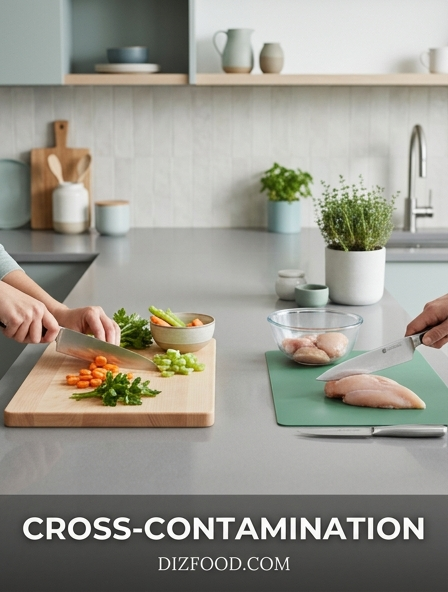
The Fundamentals of Kitchen Cross-Contamination
Kitchen cross-contamination occurs when harmful bacteria, viruses, or allergens are transferred from one substance or object to another. This biological exchange is a leading cause of foodborne illnesses, often happening invisibly during meal preparation. Pathogens like Salmonella, E. coli, and Campylobacter can hitchhike on hands, cutting boards, utensils, and countertops, moving from raw ingredients to ready-to-eat foods. Understanding the mechanics of this transfer is the first step in establishing a rigorous kitchen safety protocol.
The primary vectors for cross-contamination in a domestic or commercial kitchen setting include:
- Raw meat, poultry, and seafood drippings.
- Unwashed hands or contaminated gloves.
- Porous surfaces like wooden cutting boards that trap microbes.
- Cleaning implements like sponges that redistribute bacteria.
- Pests or improperly stored waste containers.
To mitigate these risks, one must treat every surface that touches raw proteins as a potential hazard. By isolating high-risk ingredients and maintaining strict zone control, you can effectively break the chain of infection. Vigilance is required not just during cooking, but throughout the entire process of unloading groceries, prepping, serving, and the final cleanup phase.
Strategic Washing Sequence for Maximum Hygiene
The order in which you wash dishes significantly impacts the overall sanitary state of your kitchen. By following a logical progression from the least contaminated items to the most soiled, you prevent the wash water from becoming a bacterial soup early in the process. This "clean-to-dirty" strategy ensures that items used for direct consumption, like glassware and silverware, are handled while the detergent is most potent and the water is at its clearest.
Follow this recommended sequence for manual dishwashing:
- Glassware and crystal: These require the cleanest water to prevent spotting and bacterial film.
- Flatware and silverware: Items that enter the mouth should be prioritized next.
- Plates and bowls: General dining ware used for cooked foods.
- Serving platters: Larger items that held shared portions.
- Pots, pans, and raw-prep tools: These contain the highest levels of grease and potential pathogens.
Changing the water frequently is essential, especially after washing items that held raw eggs or meat. If the water becomes lukewarm or loses its suds, it loses its ability to emulsify fats and kill surface-level microbes, increasing the risk of redepositing grime onto supposedly clean dishes.
Sanitizing Sponges and Scrubbing Tools
Sponges are arguably the most unhygienic items in the kitchen due to their porous nature and consistent moisture, which provide an ideal breeding ground for microbial colonies. Without regular sanitization, a sponge used to "clean" a counter may actually be spreading millions of bacteria across the surface. Scrubbing brushes with nylon bristles are often a safer alternative as they dry faster, but they still require a dedicated disinfection routine to remain safe for use.
To maintain your cleaning tools, consider the following methods:
- Microwave Sanitization: Heat wet sponges on high for two minutes to kill 99% of bacteria (ensure no metallic components).
- Dishwasher Cycle: Place sponges and brushes in the top rack during a high-heat dry cycle.
- Boiling Water: Submerge scrubbing tools in boiling water for five minutes.
- Replacement: Discard sponges every two weeks regardless of their visual appearance.
Regardless of the method, it is crucial to wring out sponges thoroughly after every use and store them in a perforated holder. Allowing tools to air dry completely between tasks prevents the formation of biofilms that can resist standard detergents during a quick rinse.
Optimal Water Temperature for Bacteria Removal
The efficacy of dishwashing is heavily dependent on the temperature of the water used. Cold or lukewarm water is insufficient for breaking down animal fats and neutralizing common foodborne pathogens. For manual washing, the water should be as hot as the hands can comfortably tolerate-typically between 110°F and 120°F (43°C to 49°C)-when paired with appropriate dish soap. However, true sanitization often requires higher temperatures to be effective against resilient microbial structures.
| Temperature Range | Effect on Bacteria/Grime |
|---|---|
| Under 100°F (38°C) | Ineffective at dissolving fats; promotes bacterial growth. |
| 110°F - 120°F | Standard for handwashing; removes most surface oils. |
| 140°F (60°C) | Recommended for dishwasher sanitization cycles. |
| 170°F+ (77°C) | Level required for commercial-grade thermal sanitization. |
If you are washing by hand and need to sanitize items used for raw meat, consider a two-step process: wash in warm soapy water to remove debris, then submerge in a chemical sanitizing solution or very hot water for at least 30 seconds. Using gloves can protect your skin from the higher temperatures necessary for professional-level hygiene.
Safe Handling of Raw Meat Utensils
Utensils used in the preparation of raw meat, such as knives, tongs, and thermometers, represent a high-risk category for cross-contamination. A common mistake is using the same knife to slice raw chicken and then using it to cut garnishes or cooked meat without a thorough decontamination. To prevent the spread of pathogens, these tools must be isolated and treated with a higher level of scrutiny than standard dinnerware.
Observe these safety protocols for meat-related utensils:
- Immediate Decontamination: Wash meat-prep tools immediately after use; do not leave them in a sink where they can contaminate other dishes.
- Dedicated Tools: Use color-coded handles (e.g., red for meat) to distinguish them from vegetable prep tools.
- No Rinsing in Sinks: Avoid rinsing raw meat off utensils under high pressure, as this splashes bacteria onto surrounding areas.
- Non-Porous Materials: Opt for stainless steel or high-quality plastic over wood, which can absorb juices.
When clearing the kitchen, ensure that no utensil used for raw proteins touches the faucet handles or the soap dispenser with contaminated hands. If accidental contact occurs, those touchpoints must be disinfected using a food-safe antibacterial spray to ensure the kitchen remains a safe environment for subsequent meal preparation.
Drying Techniques to Prevent Microbial Growth
The cleaning process does not end when the water is turned off; the drying phase is equally critical. Bacteria thrive in moisture, and damp dishes stacked together can foster the growth of residual microbes. There is a significant debate between air drying and towel drying, but from a hygiene perspective, air drying is vastly superior. Cloth towels can become contaminated quickly and redistribute bacteria from one plate to the next as they become progressively damper during the drying process.
To ensure your dishes dry safely, follow these guidelines:
- Use a clean, disinfected drying rack that allows for maximum airflow around all surfaces.
- Avoid nesting wet bowls or stacking wet plates, as this traps moisture in "dead zones."
- If you must use a towel, ensure it is a single-use paper towel or a fresh lint-free cloth used for only one session.
- Allow items to reach room temperature before storing them in enclosed cabinets to prevent condensation.
If using a drying rack, ensure the tray beneath it is emptied and cleaned daily. Standing water in the drainage tray can develop mold and slime, which may contaminate the air or provide a pathway for pests. A dry kitchen is a safe kitchen, as most foodborne pathogens cannot survive prolonged periods of desiccation.
Disinfecting the Kitchen Sink and Surrounding Areas
The kitchen sink is often the most bacteria-laden spot in the home, frequently harboring more fecal bacteria than a toilet seat. This is due to the constant introduction of raw food particles and the moist environment. To prevent cross-contamination, the sink must be treated as a work zone that requires daily disinfection. Simply rinsing the sink with water is insufficient to remove the biofilm that adheres to the basin and the drain assembly.
A proper disinfection routine should include the following steps:
- Remove all food debris and rinse the basin with hot water.
- Scrub the entire surface, including the faucet and handles, with an antibacterial cleaner or a bleach solution.
- Pay special attention to the drain flange and the rubber splash guard of the garbage disposal.
- Rinse thoroughly and wipe dry with a clean cloth or paper towel to prevent spots.
Furthermore, the "splash zone"-the countertop area within two feet of the sink-should be cleared and wiped down regularly. Aerosolized droplets from the faucet can carry bacteria onto nearby drying racks, clean dishes, or sponges. Maintaining a clean perimeter around the sink ensures that the primary cleaning area does not become a secondary source of contamination for the entire kitchen.
Maximizing Dishwasher Efficiency for Sanitization
Modern dishwashers are powerful tools for preventing cross-contamination, provided they are used correctly. Unlike handwashing, a dishwasher can reach temperatures that effectively kill most pathogens. However, overcrowding the racks or failing to maintain the machine can lead to "cold spots" where bacteria survive or food particles are redeposited. For maximum hygiene, the dishwasher should be viewed as a sanitization chamber rather than just a convenience tool.
To maximize sanitization, implement these practices:
- Use the "Sanitize" or "High-Temp Wash" setting, which ensures water reaches at least 150°F.
- Clean the dishwasher filter weekly to remove trapped food debris that can rot and spread odors.
- Ensure spray arms are not blocked so that hot, soapy water reaches every surface.
- Place high-risk items, like plastic cutting boards used for meat, in the bottom rack where the water is usually hottest.
Additionally, avoid using the "Eco" or "Quick Wash" settings for dishes that have come into contact with raw proteins, as these cycles often use lower temperatures to save energy. While efficient for lightly soiled glassware, they may not provide the thermal death time required to neutralize dangerous bacteria like Salmonella or Listeria.
Separating High-Risk Prep Tools from Tableware
A systematic approach to kitchen organization involves the physical and temporal separation of prep tools from tableware. Items used for raw ingredient preparation should never occupy the same space as the plates and utensils used for serving the final meal. This separation reduces the risk of accidental usage or contact transfer. Professional kitchens often use color-coded systems to maintain this barrier, a practice that can be easily adapted for home use.
| Category | Items Included | Storage/Usage Rule |
|---|---|---|
| High-Risk | Raw meat knives, poultry boards, shears. | Wash immediately; store in dedicated prep zone. |
| Low-Risk | Bread knives, fruit peelers, salad spinners. | Can be washed with general tableware. |
| Serving | Dinner plates, flatware, glasses. | Keep in closed cabinets away from prep areas. |
When preparing a meal, clear the "raw zone" entirely before bringing out the "serving zone" items. Never place cooked meat back onto the same platter that held it when raw. By creating a one-way flow of food-from raw prep to cooking to serving-you ensure that pathogens are systematically eliminated by heat and never have the opportunity to leap back onto the finished product.
Maintaining a Germ-Free Dish Storage Environment
Even if dishes are perfectly sanitized, they can become re-contaminated if the storage environment is neglected. Cupboards and drawers can accumulate dust, crumbs, and moisture, which attract pests and promote mold growth. Periodic cleaning of storage areas is an essential final step in the kitchen hygiene cycle. Closed storage is generally preferred over open shelving, as it protects dishes from airborne contaminants and grease splatters from the stove.
Maintain your storage areas with these tips:
- Wipe down shelves once a month with a mild sanitizing solution.
- Store glasses and cups rim-down to prevent dust from settling inside, provided the shelves are clean.
- Ensure all dishes are 100% dry before putting them away to prevent "cabinet funk" and mildew.
- Use liners that are non-porous and easy to wipe clean.
Furthermore, keep heavy cookware and items used for raw prep on lower shelves, while keeping everyday tableware at eye level or above. This prevents any potential debris or accidental spills from prep tools from falling onto the clean surfaces of plates and bowls. A well-organized, dry, and clean storage environment acts as the final fortress in your defense against kitchen cross-contamination and foodborne illness.


Comments