
The Hidden Risks of Microplastics in Kitchenware
Microplastics have become a pervasive presence in modern kitchens, often originating from the very tools used to prepare and store food. Cutting boards, plastic containers, and synthetic utensils are primary culprits in the introduction of polymer fragments into the human diet. When plastic surfaces are subjected to mechanical stress, such as chopping with a sharp knife or scraping with a spatula, thousands of microscopic particles are released directly into ingredients. This shedding is significantly accelerated by heat; using plastic bowls in the microwave or pouring hot liquids into polycarbonate pitchers can cause the material to degrade and leach chemical additives.
Research indicates that the average person may ingest a significant amount of plastic annually through these common kitchen interactions. These particles often carry adsorbed toxins and endocrine-disrupting chemicals like bisphenols and phthalates. Identifying the sources of these contaminants is the first step toward mitigation. Common items to monitor include:
- Polypropylene cutting boards that develop deep grooves over time.
- Plastic kettles and coffee makers with internal plastic components.
- Non-stick pans with degrading fluoropolymer coatings.
- Plastic colanders and strainers used with boiling water.
Switching to Natural Fiber Sponges and Cloths
Traditional yellow-and-green sponges are typically made from polyurethane and polyester, materials that shed microplastic fibers with every scrub. These tiny fragments are too small for most municipal filtration systems to catch, leading them directly from the kitchen sink into the local water supply and eventually the ocean. By transitioning to natural fiber sponges, homeowners can eliminate this source of pollution while maintaining high standards of cleanliness. Alternatives like loofah, cellulose, and coconut husk provide excellent abrasive qualities without the environmental or health toll of synthetic polymers.
Natural fibers are also less likely to harbor persistent odors and bacteria when cared for correctly. Because they are biodegradable, they can be composted at the end of their lifecycle rather than sitting in a landfill for centuries. Making the switch involves looking for specific plant-based materials that offer various textures for different cleaning needs. For heavy-duty scrubbing, coconut coir is ideal, while soft cellulose is perfect for delicate glassware. This simple change reduces the microscopic "dust" of plastic that often settles on drying dishes and countertops.
Replacing Plastic Storage with Glass and Stainless Steel
The long-term storage of food in plastic containers poses a dual threat: the migration of chemical stabilizers into the food and the physical shedding of microplastics into the contents. This is particularly concerning when storing acidic foods like tomato sauce or fatty foods like cheese, which can draw out lipid-soluble chemicals from the plastic matrix. Glass and stainless steel offer inert alternatives that do not react with food or degrade over time, regardless of temperature fluctuations. These materials are non-porous, meaning they do not retain stains or odors from previous meals.
Beyond the health benefits, glass and steel provide superior durability and organization. Glass allows for easy visibility of contents, reducing food waste, while stainless steel is virtually indestructible and lightweight for transport. To assist in the transition, consider the following comparisons:
| Feature | Plastic Containers | Glass/Stainless Steel |
|---|---|---|
| Chemical Leaching | High risk (BPA/Phthalates) | None (Inert) |
| Heat Resistance | Poor (Can melt or warp) | Excellent (Oven/Freezer safe) |
| Durability | Low (Scratches and stains) | High (Lasts for decades) |
The Safety Benefits of Cast Iron and Ceramic Cookware
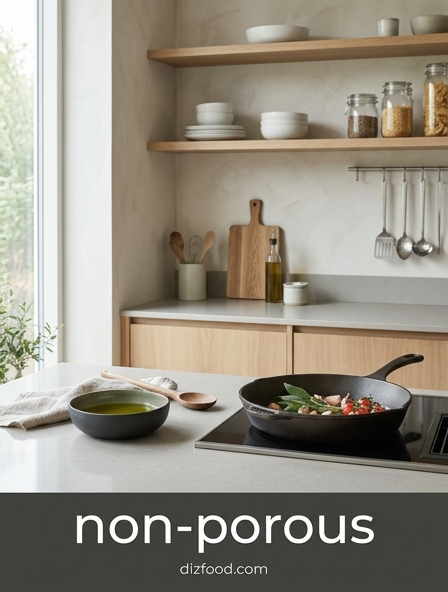
Conventional non-stick cookware often relies on coatings made from polytetrafluoroethylene (PTFE), which can begin to release toxic fumes and microscopic flakes once the surface is scratched or overheated. These particles can integrate into meals, leading to the ingestion of "forever chemicals." In contrast, cast iron and pure ceramic cookware provide a naturally non-reactive cooking surface. Cast iron, when properly seasoned, creates a non-stick layer of polymerized oil that is entirely safe and even adds a small amount of beneficial iron to the diet. It is capable of withstanding extreme heat without structural degradation.
Ceramic cookware, specifically those made from 100% inorganic minerals rather than just a ceramic coating over metal, offers a completely toxin-free experience. These materials do not contain lead, cadmium, or synthetic polymers. Because they are extremely hard and scratch-resistant, they do not shed particles into food during the stirring or flipping process. Investing in these high-quality materials ensures that the cooking process remains a clean endeavor, protecting the nutritional integrity of the ingredients from synthetic interference and thermal breakdown.
Choosing Wooden Utensils to Prevent Particle Shedding
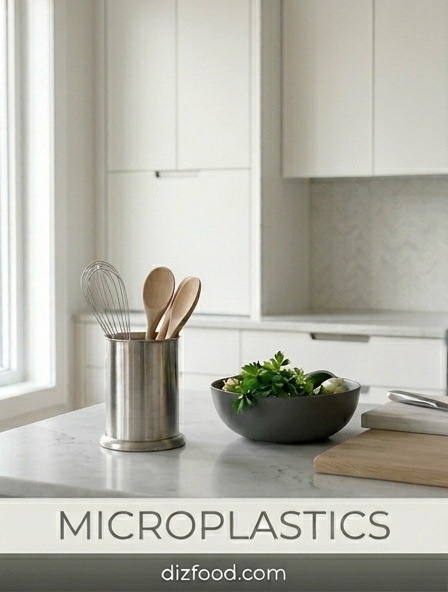
Stirring hot soups or sautéing vegetables with plastic spatulas and spoons is a significant source of microplastic contamination. As these tools meet the high temperatures of a pan, the edges can soften and abrade, leaving behind invisible fragments in the meal. Wooden utensils, crafted from hardwoods like maple, cherry, or olive wood, offer a heat-resistant and durable alternative. Wood does not melt, and even if microscopic fibers were to shed, they are organic cellulose fibers that do not pose the same biological risks as synthetic polymers.
Furthermore, wood possesses natural antimicrobial properties that can inhibit the growth of bacteria on the surface. Unlike plastic, which can develop deep, jagged scratches that hide pathogens, wood tends to "self-heal" to a degree, and its porous nature actually traps and kills bacteria as the wood dries. To maintain wooden utensils, a simple periodic application of food-grade mineral oil or beeswax keeps them supple and prevents cracking. This small shift in kitchen habits eliminates the gradual "disappearing" of plastic spoon edges into your family's dinners over years of use.
Eliminating Synthetic Residue with Bamboo Cleaning Brushes
Scrubbing pots and pans with nylon-bristled brushes is a common kitchen practice that contributes to the accumulation of microplastics. As the stiff plastic bristles wear down, they snap or fray, releasing micro-fragments into the dishwater and onto the cookware surface. Transitioning to bamboo cleaning brushes with natural fiber bristles, such as union fiber or tampico, eliminates this synthetic residue entirely. Bamboo is a rapidly renewable resource that provides a sturdy, ergonomic handle, while the plant-based bristles offer various levels of stiffness for different tasks.
These brushes are effective for everything from cleaning root vegetables to heavy-duty cast iron scrubbing. Because they are made from organic materials, they do not leave behind chemical films or plastic dust that could be ingested later. When the bristles eventually wear out, the entire brush can often be composted, closing the loop on kitchen waste. Adopting bamboo tools is a practical step in creating a "closed-circuit" kitchen where cleaning implements do not leave a lasting, invisible footprint on the plates or the planet.
Transitioning from Plastic Wrap to Beeswax Food Covers
Single-use plastic wrap is one of the most common sources of thin-film microplastic pollution in the home. These wraps are often made from low-density polyethylene or polyvinyl chloride, which can cling to food and transfer chemical plasticizers, especially when used to cover warm leftovers. Beeswax food covers provide a sustainable, non-toxic alternative. Made from organic cotton infused with beeswax, jojoba oil, and tree resin, these wraps are pliable and use the warmth of your hands to create a seal around bowls or food items like cut fruit and bread.
The benefits of beeswax wraps extend beyond the elimination of plastic. They are naturally breathable, which helps keep produce fresher for longer compared to the airtight, moisture-trapping environment of plastic. They are also reusable for up to a year or more with proper care-simply washing them in cool, soapy water. By removing rolls of plastic wrap from the kitchen drawer, a household can significantly reduce its contribution to the microplastic crisis while ensuring that food storage remains free from synthetic chemical migration.
Reducing Chemical Exposure with Organic Cotton Kitchen Linens
Kitchen textiles, including dish towels, aprons, and oven mitts, are frequently made from polyester or poly-cotton blends. These synthetic fabrics shed thousands of microfibers during every laundry cycle and even through simple friction during use. When these towels are used to dry dishes or cover rising dough, those fibers can transfer to food-contact surfaces. Switching to 100% organic cotton or linen textiles ensures that any fibers shed are natural and biodegradable. Organic options are particularly important as they are grown without synthetic pesticides, further reducing the chemical load in the kitchen environment.
In addition to being safer for food contact, natural fibers are generally more absorbent and durable than their synthetic counterparts. They withstand high-temperature washing better, which is essential for maintaining kitchen hygiene. To transition your linens effectively, consider these steps:
- Replace synthetic microfiber cloths with hemp or organic cotton towels.
- Swap polyester aprons for heavy-duty cotton canvas.
- Use linen bags for bread storage instead of plastic-lined alternatives.
- Opt for knitted cotton dishcloths instead of plastic mesh scrubbers.
How Natural Stone and Metal Surfaces Improve Hygiene
The surfaces upon which food is prepared play a vital role in the microplastic equation. Laminate or plastic-coated countertops can degrade over time, especially when exposed to heat or abrasive cleaning agents, leading to the release of fine plastic dust. Natural stone surfaces like granite, marble, or quartz, and metal surfaces like stainless steel, offer a superior alternative. These materials provide a hard, non-porous area for food preparation that does not shed synthetic particles. Their smooth surfaces are also easier to sanitize effectively, as they do not develop the microscopic fissures common in aged plastic surfaces.
Stainless steel workstations, in particular, are the standard in professional kitchens for a reason: they are incredibly hygienic and do not react with any food types. Natural stone provides a cool surface ideal for baking and dough preparation without the need for plastic mats. By choosing these permanent, natural materials for the kitchen infrastructure, the risk of "incidental" plastic ingestion is minimized. These surfaces represent a long-term investment in both the home's value and the occupants' health, ensuring that the primary environment for food handling remains free of degrading polymers.
Long Term Health Advantages of a Plastic Free Kitchen
Eliminating microplastics from the kitchen is more than an environmental statement; it is a proactive measure for long-term physiological health. Microplastics and their associated chemical additives are known endocrine disruptors, capable of mimicking hormones and interfering with metabolic processes. By reducing daily exposure through kitchenware, individuals can lower their systemic "body burden" of these compounds. Over decades, this reduction can mitigate risks associated with hormonal imbalances, reproductive health issues, and chronic inflammation, which has been linked to the presence of foreign particles in human tissues.
A plastic-free kitchen also promotes a more mindful and sustainable lifestyle. Tools made of glass, wood, and metal often last a lifetime, breaking the cycle of "disposable" consumerism. This shift encourages the selection of high-quality, artisanal items that bring aesthetic and functional value to the home. Ultimately, the transition to a natural kitchen creates a sanctuary where food remains pure, and the tools used to prepare it support a legacy of health and environmental stewardship for future generations.

Comments