
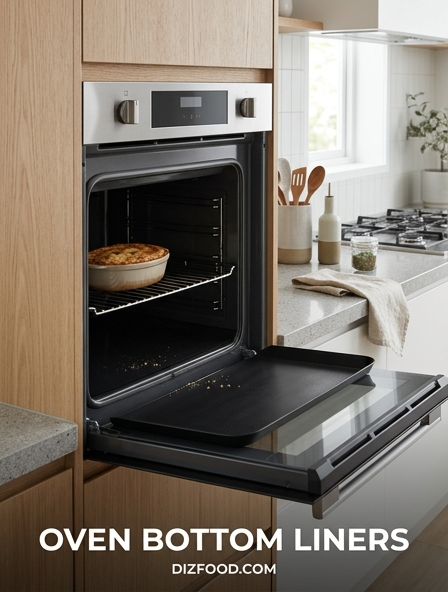
The Role of Oven Liners in Appliance Protection
Oven bottom liners serve as a critical defensive barrier between your cooking and the internal structure of the appliance. These specialized accessories are designed to catch drips, grease, and accidental overflows that naturally occur during the baking or roasting process. By acting as a sacrificial layer, they ensure that the underlying enamel or metal surface of the oven floor remains untouched by carbonized food debris. This is particularly important because grease that settles on the heating surface can eventually smoke, affecting the flavor of your dishes and potentially causing internal damage.
- Protects the interior enamel from corrosive acidic spills.
- Minimizes the accumulation of carbonized grease near heating elements.
- Reduces the frequency of deep-cleaning cycles that stress the appliance.
- Maintains a uniform heat distribution by keeping the floor clear of debris.
Ultimately, utilizing a liner is an investment in the structural integrity of your kitchen appliances. It prevents the slow degradation that occurs when food particles are repeatedly incinerated onto the oven's interior, thereby maintaining a professional and clean cooking environment without the need for intensive scrubbing or physical force.
Preventing Permanent Surface Damage from Spills
Spills involving high sugar content, such as fruit pie fillings or glazes, can cause irreparable damage to an oven's interior if they are allowed to bake onto the floor. When these substances reach high temperatures, they undergo a chemical process that can etch or pit the porcelain enamel. This permanent scarring not only ruins the aesthetic appearance of the oven but can also lead to rust over time as the protective coating is compromised. By implementing a high-quality liner, these spills are intercepted before they ever make contact with the appliance's sensitive surfaces.
The non-stick surface of a liner ensures that even the most stubborn, burnt-on liquids remain localized and do not fuse with the oven's floor. This prevention is vital for maintaining the resale value of the appliance and ensuring its longevity. Without this protection, users often resort to scraping the oven floor with metal spatulas or abrasive pads, which further exacerbates the damage by creating micro-scratches where future spills can easily take hold and become even harder to remove during subsequent cleaning sessions.
Eliminating Harsh Chemical Oven Cleaners
Traditional oven cleaning often relies on caustic chemicals that release toxic fumes into the home environment. These cleaners frequently contain sodium hydroxide or other strong alkalis that require heavy ventilation and protective gear to use safely. By using an oven liner, the need for these aggressive degreasers is almost entirely eliminated. Since the liner catches the vast majority of debris, a simple wipe-down of the oven walls is usually sufficient, keeping your kitchen free from the lingering smell of industrial solvents.
- Reduces exposure to respiratory irritants found in aerosol cleaners.
- Protects sensitive skin and eyes from chemical splashes during scrubbing.
- Prevents chemical residue from tainting future food preparations.
- Promotes an eco-friendly kitchen by reducing chemical waste runoff.
This shift away from chemical reliance not only benefits the health of the household but also preserves the seals and gaskets of the oven, which can sometimes be degraded by frequent contact with harsh cleaning agents. It transforms a formerly hazardous chore into a simple, non-toxic maintenance task.
Time-Saving Benefits for Daily Kitchen Maintenance
For the busy home cook, the most significant advantage of an oven liner is the drastic reduction in maintenance time. Instead of spending hours on your hands and knees scrubbing away at baked-on cheese or meat drippings, the cleaning process is reduced to a few seconds. When a spill occurs, you simply wait for the oven to cool, remove the liner, and shake the debris into the trash. This efficiency allows for a more spontaneous cooking style, as the fear of a messy cleanup no longer dictates what recipes you choose to prepare.
Modern kitchen management emphasizes streamlined workflows, and a liner is a passive tool that supports this goal. It eliminates the need for the "self-clean" cycle, which can take several hours and generate excessive heat and odors. By integrating a liner into your routine, the kitchen remains "guest-ready" at all times. The cumulative time saved over a year is substantial, allowing homeowners to focus on meal preparation and family time rather than the arduous task of appliance restoration after every major holiday or weekend roast.
Heat Resistance and Material Durability Standards
Oven liners are engineered to withstand the extreme thermal environments found in modern residential kitchens. Most high-end liners are manufactured from PTFE-coated fiberglass, a material known for its exceptional heat resistance and non-stick properties. These materials must meet strict safety standards to ensure they do not melt, off-gas, or degrade when exposed to temperatures reaching up to 500 degrees Fahrenheit. The durability of these liners means they can be used repeatedly for years without losing their structural integrity or effectiveness.
| Feature | Standard Specification |
|---|---|
| Maximum Temperature | Up to 500°F (260°C) |
| Core Material | Heavy-duty Fiberglass |
| Coating | PTFE (PFOA Free) |
| Typical Thickness | 0.2mm to 0.4mm |
When selecting a liner, it is crucial to ensure it is rated for the specific heat output of your oven. High-quality variants are designed to be thin enough to not interfere with heat circulation while being robust enough to handle the weight of heavy spills. This balance of material science ensures that the liner remains a reliable kitchen companion through countless baking cycles.
Comparing Reusable Liners to Traditional Foil
While many people traditionally used aluminum foil to catch spills, modern oven liners offer a far superior and safer alternative. Aluminum foil is prone to melting when it comes into direct contact with heating elements or the oven floor, which can cause permanent damage to the appliance. Furthermore, foil can block airflow and reflect heat unevenly, leading to poorly cooked food or even thermostat malfunctions. Reusable liners are specifically engineered to avoid these hazards while providing a more sustainable solution for the environmentally conscious cook.
- Durability: Liners last for years; foil is typically single-use.
- Safety: Liners are less likely to fuse to the oven's porcelain finish.
- Consistency: Liners do not crinkle or shift, ensuring even heat distribution.
- Cost: One liner replaces dozens of rolls of expensive aluminum foil.
The transition from foil to a dedicated liner also reduces kitchen waste. Because liners are easily washable, they do not end up in landfills after every spill. This makes them both a fiscally responsible and ecologically sound choice for the modern household seeking to optimize kitchen performance.
Compatibility with Gas and Electric Models
Understanding how to properly use an oven liner depends heavily on whether you own a gas or electric appliance. While liners are compatible with both, the placement differs significantly to ensure safety and airflow. Incorrect placement can lead to poor cooking results or even damage the liner itself. Most manufacturers provide specific guidelines to ensure the heat source is never fully smothered by the protective sheet.
- Electric Ovens (Visible Elements): Place the liner underneath the heating element at the very bottom of the oven.
- Electric Ovens (Hidden Elements): Place the liner on the lowest wire rack rather than directly on the oven floor.
- Gas Ovens: Always place the liner on the bottom-most rack to avoid blocking the flame vents or air circulation.
- Convection Ovens: Ensure the liner is trimmed to not block the fan or intake vents.
Regardless of the model, the key is to ensure that the liner does not obstruct any vital air passages. In gas ovens, blocking the bottom vents can lead to carbon monoxide buildup or improper combustion. By following these placement rules, you can enjoy the benefits of a clean oven without compromising the performance or safety of your specific appliance type.
How Liners Extend Your Oven Lifespan
The longevity of an oven is often determined by how well its interior is maintained. Accumulations of grease and burnt food act as an abrasive and corrosive force on the oven's internal components. When grease is repeatedly heated, it releases acidic compounds that can slowly eat away at the protective enamel. By using a liner to collect these substances, you prevent this chemical degradation. Furthermore, a cleaner oven operates more efficiently; sensors and heating elements don't have to work through layers of "gunk" to reach the desired temperature.
Additionally, avoiding the high-heat self-cleaning cycle is a major factor in extending appliance life. The self-clean function subjects the oven's sensitive electronics, door seals, and thermostats to extreme stress, often leading to premature component failure. Since an oven liner eliminates the need for this cycle by preventing the initial mess, the internal hardware is spared from unnecessary thermal shock. This simple preventive measure can add years to the functional life of the unit, saving the homeowner significant replacement and repair costs over time.
Simplified Cleanup with Dishwasher Safe Materials
The convenience of a modern oven liner extends beyond the oven itself and into the cleanup process. Because they are constructed with high-grade non-stick coatings, most liners are completely dishwasher safe. After a particularly messy cooking session involving a boil-over or grease splatter, the liner can be removed once cool and placed directly into the bottom rack of a dishwasher. This hands-off approach to cleaning is a game-changer for those who cook frequently or handle heavy roasting tasks.
- Non-stick PTFE coating allows food to slide off with minimal effort.
- Resistant to high-pressure water jets and standard detergents.
- Flexible design allows it to fit into various dishwasher configurations.
- Dries quickly and is ready for re-installation in minutes.
For minor spills, a simple rinse under warm soapy water in the sink is often all that is required. The material is designed to be hydrophobic, meaning it repels liquids and prevents stains from setting. This ease of maintenance ensures that the liner itself remains hygienic and odor-free, preventing any "old food" smells from permeating your kitchen during subsequent use.
Essential Safety Precautions for Optimal Liner Use
While oven liners are incredibly helpful, they must be used with a focus on safety to prevent kitchen accidents. The most important rule is never to allow the liner to come into direct contact with an open flame or a heating element. This could cause the liner to smoke or melt, potentially releasing fumes. Users should always measure their oven floor and trim the liner with standard kitchen shears to ensure a custom fit that leaves at least an inch of space around the edges for air circulation.
- Never use liners in ovens during a self-cleaning cycle.
- Ensure the liner is flat and not bunched up to prevent uneven heating.
- Discard the liner if it becomes punctured, torn, or shows signs of thinning.
- Check for "hidden" heating elements before placing a liner on the oven floor.
By adhering to these precautions, you ensure a safe cooking environment. Most safety issues arise from improper placement, such as covering the air vents in a gas oven or placing the liner directly on a hidden electric element. Taking a few moments to read the manufacturer's specific instructions will guarantee that your liner provides maximum protection without any risk to your home or appliance.

Comments