
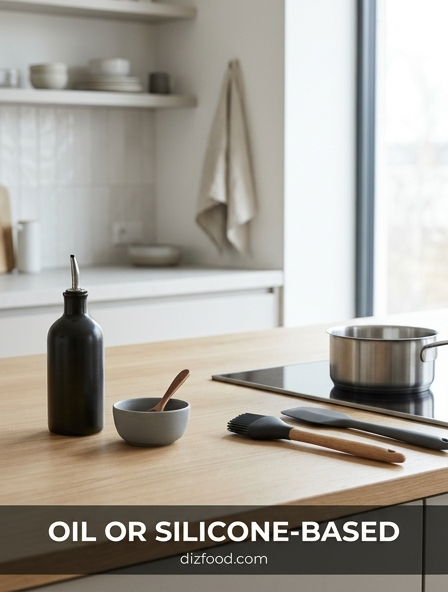
The Power of Oil-Based Appliance Cleaners
Oil-based cleaners represent a traditional yet highly effective approach to maintaining the aesthetic integrity of kitchen appliances. These formulas primarily rely on mineral oils or specialized organic solvents to dissolve stubborn, greasy residues that accumulate in high-heat cooking environments. Unlike water-based solutions that may bead up or evaporate before breaking down heavy grime, oil-based cleaners penetrate the molecular structure of aerosolized cooking fats. This allows for a deeper clean that removes "burnt-on" yellowing common on oven exteriors and range hoods.
The efficacy of these cleaners is rooted in the "like dissolves like" principle of chemistry. Because most kitchen messes are lipid-based, an oil-rich formula is the most efficient solvent. When applied correctly, these products perform several key functions:
- Dissolving polymerized grease layers on stove vents.
- Lifting adhesive residues from manufacturer stickers.
- Conditioning metal surfaces to prevent drying and brittleness.
- Providing a uniform base for subsequent protective buffing.
By using an oil-based medium, users can achieve a level of cleanliness that feels smooth to the touch while preparing the surface for long-term protection.
Creating a Durable Protective Surface Barrier
The primary objective of using oil or silicone-based treatments in the kitchen is the creation of a semi-permanent protective barrier. Once the initial cleaning phase is complete, these substances leave behind a microscopic film that levels out the imperfections in the appliance's finish. This barrier is essential for maintaining the "as-new" appearance of expensive kitchen installations. By filling in microscopic pores and scratches, the protective layer prevents environmental contaminants from reaching the actual substrate of the appliance.
This barrier is particularly vital in the kitchen due to the high concentration of corrosive elements, such as salt spray, steam, and acidic food splatters. Without a durable shield, stainless steel and chrome can suffer from pitting or localized discoloration. The following table illustrates the differences in barrier performance between standard water-based wipes and specialized oil/silicone barriers:
| Feature | Water-Based | Oil/Silicone-Based |
|---|---|---|
| Evaporation Rate | High | Very Low |
| Moisture Resistance | Minimal | Excellent |
| Surface Leveling | None | Microscopic Filling |
Why Silicone Formulas Outperform Traditional Sprays
While oil-based cleaners are excellent for conditioning, silicone-based formulas have emerged as the superior choice for high-performance protection. Silicone is a synthetic polymer that offers unique thermal stability and chemical inertness. Unlike natural oils, which can eventually oxidize or become "gummy" when exposed to high kitchen temperatures, silicone remains stable and slippery. This makes silicone-based sprays particularly effective for the exteriors of dishwashers and ovens where heat fluctuations are frequent.
The molecular structure of silicone allows it to spread more evenly across a surface than traditional wax or oil sprays. This results in a streak-free finish with significantly less physical effort during the buffing process. Furthermore, silicone is highly hydrophobic, meaning it repels water and water-borne stains with much higher efficiency. This performance gap is most noticeable in the longevity of the finish; where a traditional spray might lose its luster after three days, a silicone-enriched formula can maintain its protective properties and visual depth for up to two weeks, even with regular light wiping.
Long-Lasting Shine for Stainless Steel Surfaces
Stainless steel is the hallmark of the modern professional kitchen, yet it is notoriously difficult to keep pristine. The material is prone to showing every water spot, streak, and smudge. Oil and silicone-based protectants are the industry standard for addressing these issues because they enhance the material's natural reflectivity. When these substances are applied, they create a perfectly flat optical surface. Light reflects uniformly off the appliance, resulting in a deep, mirror-like "wet look" that characterizes high-end showrooms.
To achieve the longest-lasting shine, a specific application method is usually recommended by professional cleaning services:
- Thoroughly degrease the surface with a pH-neutral cleaner.
- Apply a small amount of oil-based polish to a microfiber cloth.
- Follow the "grain" of the stainless steel to avoid micro-marring.
- Buff with a dry section of the cloth until the surface is no longer tacky.
This process ensures that the protective agents are deeply embedded into the steel's texture, providing a luster that survives the daily rigors of a busy cooking environment without fading or becoming dull.
Preventing Fingerprints and Daily Kitchen Smudges
One of the most frustrating aspects of kitchen maintenance is the immediate appearance of fingerprints on clean appliances. Human skin produces natural oils and moisture that bond instantly to metal surfaces, leaving visible "ghost" prints. Oil and silicone-based cleaners solve this problem by making the surface oleophobic and hydrophobic. By lowering the surface energy of the appliance, the protectant prevents skin oils from adhering or spreading across the metal.
Instead of a fingerprint bonding to the steel, it sits on top of the silicone or oil layer. This transition from "bonding" to "resting" means that daily smudges can often be removed with a single pass of a dry cloth, rather than requiring heavy chemical intervention. This is particularly beneficial for households with young children or high-traffic kitchens where handles and doors are touched hundreds of times per day. The result is a kitchen that looks clean for longer periods, reducing the frequency of deep-cleaning sessions and preserving the aesthetic harmony of the space with minimal daily maintenance.
Shielding Appliances from Rust and Oxidation
Rust and oxidation are the silent enemies of kitchen longevity. Despite the name, "stainless" steel can still oxidize under the right conditions, particularly near sinks or in humid climates. Oil-based layers act as a sacrificial barrier against the oxidation process. By sealing the metal away from oxygen and moisture, these products prevent the chemical reaction that leads to rust. This is especially important for the hidden edges of appliances, such as the undersides of dishwashers or the crevices of refrigerator door seals.
Silicone-based products offer an additional layer of protection through their high dielectric strength and resistance to chemical attack. They are particularly effective at preventing "tea staining," a light brown oxidation that often appears on stainless steel surfaces. By applying a consistent layer of specialized surface care, homeowners create a waterproof seal that beads away liquids before they can penetrate the chromium oxide layer of the steel. This proactive shielding is a cost-effective way to prevent permanent structural damage and ensure that the exterior housing of the appliance remains as durable as its internal mechanical components.
Enhancing Longevity Through Specialized Surface Care
Investing in high-end appliances requires a commitment to specialized surface care to protect that investment over the long term. Using generic, abrasive, or highly acidic cleaners can strip away the protective coatings applied during manufacturing, leading to premature aging. Oil and silicone-based products, conversely, work in harmony with the factory finish. They provide the necessary lubrication to prevent scratches during the cleaning process itself, which is when most surface damage typically occurs.
Specialized care extends beyond mere aesthetics; it impacts the functional lifespan of the appliance components. For example:
- Maintaining door seals with silicone prevents cracking and drying.
- Lubricating exterior hinges with oil-based cleaners ensures smooth operation.
- Protecting control panels from moisture ingress via hydrophobic films.
When appliances are treated with these advanced formulas, the exterior materials remain supple and resilient. This prevents the degradation of gaskets and the fading of finishes, ensuring that the kitchen maintains its value and functionality for decades rather than just a few years.
How Oil-Based Layers Simplify Future Cleaning
The true value of an oil-based protective layer is found in the "easy-clean" effect it provides for future maintenance. When a surface is treated with an oil or silicone barrier, it becomes significantly less porous. Consequently, when food splatters, grease, or liquids hit the appliance, they are unable to find a mechanical "grip" on the surface. Instead of baking onto the metal, the contaminants remain suspended on top of the protective film.
This transforms the cleaning process from a labor-intensive scrubbing chore into a simple wiping task. Homeowners will find that they no longer need harsh degreasers for routine maintenance. A simple damp microfiber cloth is usually sufficient to lift away surface debris, as the underlying oil layer acts as a release agent. This not only saves time and physical effort but also reduces the chemical load in the kitchen environment. By establishing a routine based on these protective layers, the kitchen remains in a perpetual state of "ready-to-clean," where even the messiest cooking sessions leave behind traces that are easily managed.
The Science of Silicone for Appliance Protection
The effectiveness of silicone in kitchen environments is a result of its unique molecular architecture. Silicone molecules consist of a backbone of alternating silicon and oxygen atoms, which are much stronger than the carbon-carbon bonds found in many organic oils. This strength allows silicone to withstand temperatures that would cause other cleaners to smoke or discolor. Furthermore, the outward-facing methyl groups in the silicone structure create an incredibly low-energy surface, which is the scientific reason for its non-stick properties.
When a silicone-based formula is applied to a kitchen surface, it undergoes a process of "wetting" where it spreads into a perfectly thin, continuous film. This film is gas-permeable but liquid-impermeable, allowing the metal to "breathe" while remaining protected from spills. Because silicone polymers are inorganic, they do not provide a food source for bacteria or mold, adding a subtle hygienic benefit to their protective capabilities. Understanding this science helps in choosing the right product: for high-heat areas, a pure silicone-based protectant is scientifically superior to organic oils due to this inherent thermal and chemical stability.
Maintaining a Professional Kitchen Finish at Home
Achieving a professional-grade kitchen finish does not require industrial equipment; it requires the correct application of professional-grade chemicals. High-end restaurants and showrooms rely heavily on oil and silicone-based polishes to maintain their equipment's striking appearance. To replicate this at home, one must focus on the consistency of application and the quality of the buffing material. Using a high-GSM (grams per square meter) microfiber cloth in conjunction with a silicone-rich spray will produce a depth of color and clarity that water-based cleaners simply cannot match.
The goal is to create a "uniformity of reflection." In a professional setting, appliances are treated weekly to build up a resilient base layer. For the home user, a bi-weekly application is usually sufficient to maintain that showroom glow. By treating the kitchen as a professional workspace and using the same oil-based conditioning techniques, you ensure that every surface from the refrigerator to the microwave contributes to a clean, cohesive, and sophisticated environment. This meticulous approach to surface care not only enhances the beauty of the home but also reflects a high standard of household maintenance and hygiene.


Comments