
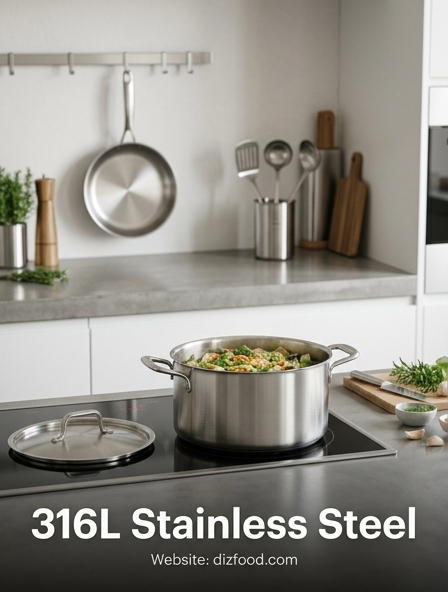
Understanding 316L Stainless Steel Composition
316L stainless steel represents a specific grade of austenitic steel that is highly valued in the culinary world for its unique chemical profile. The "L" in its designation stands for "low carbon," indicating that the alloy contains less than 0.03% carbon. This modification is crucial for preventing carbide precipitation during high-temperature processes, such as welding or intense searing, which ensures the metal remains stable and resistant to decay over decades of use. Beyond carbon, the material is defined by its substantial inclusion of specific elements that enhance its structural integrity.
The primary components of 316L stainless steel include:
- Chromium (16-18%): Provides the fundamental corrosion resistance and the ability to form a self-healing passive film.
- Nickel (10-14%): Enhances the austenitic structure, providing toughness and a smooth, polished finish.
- Molybdenum (2-3%): The key additive that distinguishes 316L from 304, offering defense against localized pitting.
- Manganese and Silicon: Trace amounts that assist in the deoxidization process during steel manufacturing.
Superior Corrosion Resistance of Molybdenum Alloys
The inclusion of molybdenum in 316L stainless steel provides a significant advantage in the kitchen environment, particularly when dealing with aggressive chemical reactions. In culinary settings, salt (sodium chloride) and acidic ingredients like vinegar or lemon juice are ubiquitous. Standard stainless steels often suffer from "pitting," which manifests as microscopic holes that can compromise the structural integrity of a pot or pan. Molybdenum acts as a reinforcing agent for the chromium-oxide protective layer, creating a more robust barrier against chloride-induced stress.
This superior resistance is why 316L is often referred to as "marine grade" steel. While most kitchens are not located on the ocean, the chemical environment of a boiling pot of salted pasta water is surprisingly similar to saltwater conditions. By utilizing an alloy that specifically targets chloride resistance, chefs can ensure that their equipment does not develop the dull, pitted surfaces common in lower-grade alternatives. This metallurgical resilience ensures that the cookware remains as functional and aesthetically pleasing as the day it was purchased, regardless of how many acidic sauces are prepared within it.
Hygienic Benefits of Non Porous Cookware
Hygiene is the cornerstone of any safe kitchen, and the physical properties of 316L stainless steel contribute significantly to food safety. This material is non-porous, meaning it lacks the microscopic fissures and pores found in cast iron, wood, or certain ceramics. When a surface is truly non-porous, it prevents food particles, fats, and moisture from becoming trapped deep within the material. This lack of absorption is vital for preventing the growth of bacteria, mold, and biofilms that can lead to foodborne illnesses.
- Minimal Bacterial Adhesion: The ultra-smooth surface finish of 316L makes it difficult for microorganisms to find a foothold.
- No Flavor Carryover: Because the metal does not absorb oils or spices, a chef can cook a pungent garlic dish and then a delicate cream sauce in the same vessel without flavor contamination.
- Chemical Inertness: The material does not react with cleaning agents, ensuring that no residues are left behind after a standard wash cycle.
- Ease of Sterilization: 316L can withstand the high-temperature steam and harsh sanitizers used in professional grade dishwashers.
Comparing 316L and 304 Stainless Steel Performance
While 304 stainless steel is the standard for most household appliances and cookware, 316L offers a measurable upgrade in performance and longevity. The primary difference lies in the environmental tolerance of each alloy. 304 steel is excellent for general use, but it is susceptible to "crevice corrosion" and pitting when exposed to high concentrations of salt over time. In contrast, 316L is designed to withstand more extreme chemical exposure, making it the preferred choice for high-end professional kitchens and medical-grade environments where sanitation and durability are non-negotiable.
| Feature | 304 Stainless Steel | 316L Stainless Steel |
|---|---|---|
| Salt Resistance | Moderate | Excellent |
| Molybdenum Content | 0% | 2.0% - 3.0% |
| Acidic Tolerance | High | Very High |
| Typical Usage | General Cookware | Professional/Marine |
In the long run, 316L maintains its surface smoothness longer than 304, which directly impacts the ease of cleaning and the overall hygiene of the cooking surface.
Enhanced Durability for High Temperature Cooking
Durability in the kitchen is often measured by a material's ability to withstand rapid thermal cycling. When a cold steak is placed on a ripping hot pan, or when a hot pot is moved to a cooling rack, the metal undergoes significant thermal stress. 316L stainless steel is engineered to maintain its mechanical properties even when subjected to temperatures reaching 800 degrees Fahrenheit. Its specific alloy mix provides excellent creep resistance, which prevents the cookware from warping or losing its shape after repeated use over high-output gas burners or induction cooktops.
Furthermore, the "L" or low carbon aspect of this steel plays a defensive role during high-heat exposure. In standard steels, high heat can cause carbon to migrate to the grain boundaries, a process known as sensitization, which makes the metal prone to cracking. Because 316L has reduced carbon levels, it remains structurally sound and ductile. This ensures that the base of the cookware remains perfectly flat, providing consistent contact with the heat source and preventing the hot spots that often plague thinner, lower-quality stainless steel variations.
Chemical Stability and Toxin Free Food Preparation
One of the primary concerns for health-conscious cooks is the potential for metal leaching into food. Many types of cookware, such as reactive aluminum or unlined copper, can leach metallic ions into acidic dishes, altering the taste and potentially posing health risks. 316L stainless steel is remarkably stable and chemically inert. Even when simmering highly acidic tomato sauces, vinegars, or wine-based reductions for several hours, the material does not react with the food. This ensures that the nutritional profile and the authentic flavor of the ingredients remain completely untainted.
Furthermore, 316L is free from the PFOA and PTFE chemicals found in many non-stick coatings. These synthetic coatings can degrade and release toxic fumes at high temperatures. By choosing a high-grade stainless steel, users eliminate the risk of consuming flaking coating particles. The inherent stability of 316L provides a naturally "clean" cooking surface. Because the protective chromium-oxide layer is part of the metal itself rather than a sprayed-on coating, it cannot wear off or leach into the meal, making it one of the safest materials available for human health.
Maintaining the Luster of Marine Grade Steel
The aesthetic appeal of 316L stainless steel is often described as a "bright" or "surgical" luster. This finish is not just for show; it is a byproduct of the high nickel content and the precision polishing possible with such a dense alloy. To maintain this luster, it is important to understand the concept of "passivation." This is a natural process where the chromium in the steel reacts with oxygen in the air to create a thin, invisible layer that prevents rust. Keeping the surface clean allows this layer to regenerate constantly, ensuring the metal remains bright and reflective.
To preserve the premium appearance of 316L surfaces, users should follow these guidelines:
- Dry Immediately: Preventing water spots helps maintain a uniform shine and avoids mineral buildup.
- Avoid Abrasives: Using soft cloths prevents micro-scratches that can dull the reflective finish over time.
- Directional Wiping: Cleaning with the "grain" of the steel preserves the original factory finish.
- Occasional Polishing: Using specialized stainless steel cleaners can remove stubborn fingerprints and restore the deep glow of the metal.
Effective Cleaning Strategies for Stainless Surfaces
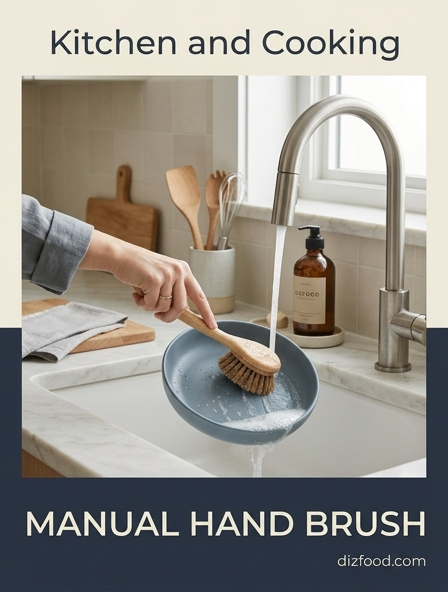
While 316L is incredibly tough, proper cleaning techniques are essential to maximize its lifespan and maintain its hygienic properties. The most important rule is to avoid chlorine-based bleaches, as even marine-grade steel can be damaged by prolonged exposure to high concentrations of chlorine. Instead, warm water mixed with a mild dish soap is usually sufficient for daily maintenance. For burnt-on food, a soak in warm soapy water is far more effective and safer for the metal than aggressive scrubbing with steel wool or metal scouring pads.
- De-glazing: Use the heat of the pan and a small amount of liquid to lift food residues immediately after cooking.
- Baking Soda Paste: For stubborn stains, a mixture of baking soda and water creates a gentle abrasive that removes discoloration without scratching.
- Vinegar Rinse: A quick wipe with white vinegar can remove "rainbow" heat tints or calcium deposits from hard water.
- Final Polish: Use a microfiber cloth for the final dry to ensure a streak-free, professional appearance.
Long Term Cost Efficiency of Premium Cookware
Investing in 316L stainless steel cookware often involves a higher upfront cost compared to 304 grade or non-stick alternatives. However, the long-term cost efficiency is unmatched. Non-stick pans typically have a lifespan of only two to five years before the coating fails and the pan must be discarded. In contrast, 316L cookware is essentially a "lifetime" purchase. It does not chip, flake, or lose its protective properties, meaning it will never need to be replaced due to surface degradation. When the cost of a single high-quality pan is amortized over thirty or forty years, it becomes significantly cheaper than buying multiple inferior products.
Moreover, the durability of 316L adds value through energy efficiency. Its ability to retain heat and distribute it evenly reduces cooking times and energy consumption. Because the material is so resistant to damage, it also maintains a higher resale value and reduces the environmental impact associated with the manufacturing and disposal of short-lived kitchenware. For both the professional chef and the home cook, the move to 316L represents a shift from a disposable consumer mindset to an investment in enduring quality and sustainability.
The Role of 316L in Professional Kitchen Sanitation
In commercial kitchens, the standards for equipment are dictated by health codes and rigorous sanitation protocols. 316L stainless steel is the material of choice for high-traffic food processing environments because it meets the strictest regulatory requirements for food contact surfaces. Its ability to withstand the harsh chemicals used in "clean-in-place" (CIP) systems is critical. These systems use caustic detergents and acidic rinses at high temperatures to ensure total sterilization, and 316L is one of the few alloys that can endure this cycle daily without showing signs of corrosion or fatigue.
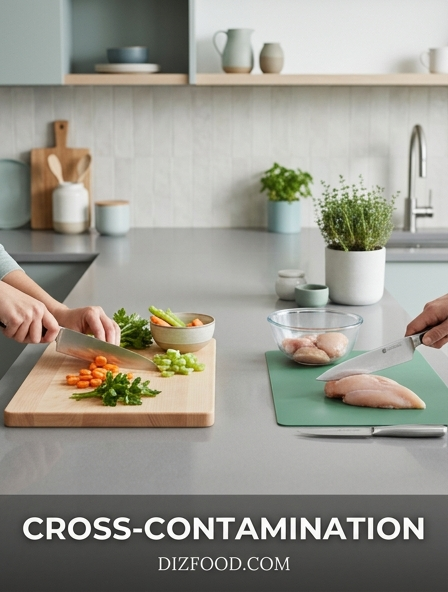
The use of 316L in professional settings also reduces the risk of cross-contamination. Its smooth, hard surface ensures that even microscopic traces of allergens-such as gluten, nuts, or dairy-can be completely washed away. In an industry where a single sanitation failure can lead to significant liability and public health risks, the reliability of 316L provides peace of mind. It is not merely a luxury material but a functional necessity for maintaining the highest possible standards of cleanliness and safety in the modern food service industry.

Comments