
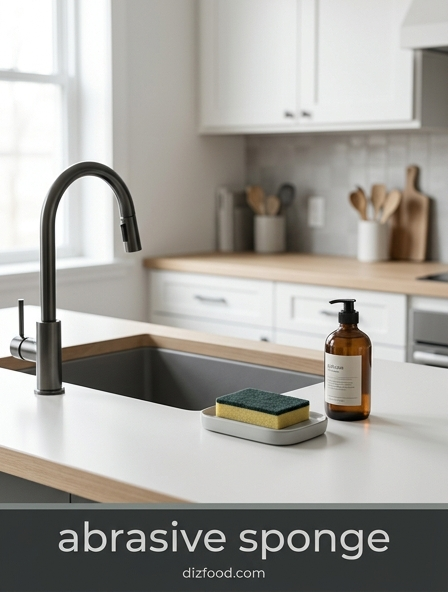
Selecting Compatible Heavy Duty Surfaces
Choosing the right surface for an abrasive sponge is the first step in maintaining kitchenware longevity. These tools are specifically engineered for robust materials that can withstand high-friction cleaning without losing their structural integrity. Utilizing heavy-duty scrubbers on delicate items can lead to permanent micro-scratches that harbor bacteria and ruin finishes. It is essential to distinguish between surfaces that require the aggressive texture of a green or brown scouring pad and those that necessitate a gentler touch.
| Highly Compatible | Exercise Caution | Avoid Completely |
|---|---|---|
| Cast Iron Skillets | Stainless Steel Sinks | Teflon/Non-Stick |
| Glass Bakeware (Pyrex) | Brushed Aluminum | Silverware/Gold-leaf |
| Ceramic Gratin Dishes | Copper Cookware | Plastic Containers |
When in doubt, always perform a spot test on a small, inconspicuous area of the utensil. High-density ceramic and tempered glass are generally the safest candidates for heavy-duty abrasion, as their surface hardness resists the grit of the sponge while allowing for the removal of carbonized food particles.
Pre-Soaking Strategies for Burnt Food
The efficiency of an abrasive sponge is significantly amplified when combined with a proper pre-soaking regimen. Attempting to scrub dry, carbonized remains often results in unnecessary fatigue and premature wear of the sponge fibers. By introducing moisture and heat, the chemical bonds between the food and the cookware surface begin to weaken, allowing the abrasive material to lift debris with minimal effort.
- Hot Water Infusion: Fill the soiled vessel with water reaching at least 140°F to liquefy fats.
- Surfactant Addition: Use a high-quality degreasing dish soap to penetrate grease layers.
- Alkaline Boost: For extreme charring, add two tablespoons of baking soda to create a mild chemical reaction that loosens proteins.
- Dwell Time: Allow the solution to sit for a minimum of 20 to 30 minutes before introducing the abrasive sponge.
Once the burnt layer has softened, the abrasive sponge acts as a finishing tool rather than a primary demolition device. This strategy preserves the texture of the scouring pad, ensuring it remains effective for future use while preventing deep gouges in the metal or glass being cleaned.
Proper Hand Pressure and Scrubbing Technique
Effective cleaning with an abrasive sponge relies more on technique than raw strength. Applying excessive downward pressure can trap grit between the sponge and the surface, leading to deep scratches that compromise the smoothness of the cookware. Instead, a controlled, systematic approach ensures uniform debris removal without damaging the substrate. The goal is to let the abrasive fibers do the mechanical work through frequency and motion rather than force.
Start by gripping the sponge firmly but comfortably, ensuring your fingers are distributed across the back of the pad to provide even pressure. Use small, circular motions to address localized stains, as this multidirectional approach attacks food particles from various angles. For larger flat surfaces, long and rhythmic strokes are more efficient. If the debris does not lift easily, re-wet the sponge to provide lubrication. Constant lubrication is vital; a dry abrasive sponge is far more likely to cause surface damage than one saturated with soapy water. By maintaining a light to medium pressure, you extend the life of the sponge and ensure a polished, clean finish across all your heavy-duty kitchen equipment.
Navigating Abrasives on Stainless Steel
Stainless steel is a staple in modern kitchens, known for its durability and sleek appearance. However, it is susceptible to visible scratching if abrasive sponges are used incorrectly. The key to maintaining its aesthetic appeal lies in understanding the "grain" of the metal-the faint directional lines created during the manufacturing process. Scrubbing against this grain can create permanent cross-hatch marks that dull the finish and make the surface feel rough to the touch.
- Identify the grain direction by looking closely at the light reflections on the surface.
- Align your scrubbing strokes to follow these horizontal or vertical lines exclusively.
- Use a "non-scratch" abrasive variant if the stainless steel has a highly polished or mirrored finish.
- Rinse frequently to ensure removed particles do not act as secondary abrasives under the sponge.
When cleaning stainless steel sinks or appliances, consistent motion is paramount. If you encounter a stubborn hard-water stain or a heat tint, use a specialized stainless steel cleaning paste in conjunction with the sponge. This combination provides a chemical assist, reducing the need for aggressive mechanical scrubbing and keeping the steel looking pristine for years.
Maintaining Seasoned Cast Iron Integrity
There is a common misconception that abrasive sponges should never touch cast iron. In reality, a heavy-duty sponge is an excellent tool for removing stuck-on food without stripping the hard-earned polymer seasoning, provided it is used judiciously. The objective is to remove organic debris while leaving the carbonized oil layer intact. Unlike modern non-stick pans, cast iron benefits from a bit of texture to maintain its non-stick properties over time.
When cleaning seasoned iron, avoid using excessive soap, which can break down the oil bonds. Instead, use hot water and the abrasive side of the sponge to quickly dislodge food remnants. If the pan has a particularly thick layer of burnt-on residue, a coarse salt scrub combined with a dry abrasive sponge can act as a powerful mechanical exfoliant. This method provides enough friction to smooth out the surface without digging deep into the base metal. After scrubbing, it is imperative to dry the iron immediately and apply a thin coat of neutral oil. This ritual ensures that any minor abrasion caused by the sponge is healed through the next heating cycle, reinforcing the seasoning rather than degrading it.
Avoiding Damage to Non-Stick Coatings
Non-stick coatings, such as PTFE or ceramic glazes, are exceptionally delicate and can be ruined by a single session with a standard heavy-duty abrasive sponge. These coatings work by creating a microscopic, ultra-smooth barrier that prevents food from bonding. The grit found in traditional scouring pads is designed to be harder than these coatings, meaning they will easily shear off the non-stick layer, leading to peeling, flaking, and a loss of performance.
| Sponge Type | Effect on Non-Stick | Recommendation |
|---|---|---|
| Heavy-Duty (Green) | High Risk of Stripping | Never Use |
| Blue Non-Scratch | Safe for Moderate Use | Preferred Choice |
| Nylon Mesh | Safe for Daily Use | Best for Light Cleaning |
| Steel Wool | Destructive | Strictly Prohibited |
To preserve non-stick pans, always opt for sponges specifically labeled as "Safe for Non-Stick." These typically use softer synthetic fibers or a plastic mesh that provides enough friction to remove eggs or sauces without penetrating the delicate chemical coating. If food is stuck, rely on longer soaking times rather than increased abrasive force.
Effective Rinsing Procedures After Scrubbing
Rinsing is a critical but often overlooked phase of the cleaning process. Abrasive sponges work by loosening debris, but they also trap a significant amount of that debris within their own porous structure. If a surface is not rinsed properly, a film of suspended particles and detergent can dry back onto the cookware, creating a cloudy appearance or, worse, a hygienic hazard. Effective rinsing ensures that both the item and the tool are prepared for the next use.
Start by rinsing the cookware under a steady stream of warm water, using the soft side of the sponge to wipe away the loosened "slurry" created during scrubbing. Once the item is clear, focus on the sponge itself. You should squeeze the sponge repeatedly under running water until the discharge runs clear and no soap bubbles are produced. This prevents the abrasive fibers from becoming clogged with grease, which would reduce their effectiveness in future cleanings. For items used with raw proteins, a final rinse with sanitizing-level hot water (170°F) is recommended for both the tool and the vessel to ensure all microscopic residues are flushed away completely.
Disinfecting and Storing Abrasive Sponges
Because abrasive sponges are designed to trap and lift grime, they are prone to becoming breeding grounds for bacteria if left damp and dirty. Maintaining a sterile sponge is essential for kitchen safety. Storage is equally important; a sponge left at the bottom of a wet sink will never dry completely, leading to the development of mold and unpleasant odors. Proper care extends the life of the sponge and protects your family from cross-contamination.
- Microwave Disinfection: Place a thoroughly wet sponge in the microwave for 60 to 90 seconds on high to kill 99% of bacteria.
- Dishwasher Cycle: Run the sponge through a heavy-duty dishwasher cycle with a heated dry setting.
- Airflow Storage: Store the sponge in a wire rack or a vertical holder that allows air to circulate on all sides.
- Vinegar Soak: Periodically soak the sponge in full-strength white vinegar for 5 minutes to dissolve mineral buildup within the fibers.
Never store an abrasive sponge in a closed container or a flat-bottomed tray where water can pool. By ensuring the sponge dries rapidly between uses, you inhibit the growth of pathogens and maintain the structural integrity of the scouring pad.
Preventing Rust and Oxidation Post-Cleaning
The act of abrasive scrubbing often exposes fresh metal surfaces by removing protective oxides or oils. This is particularly true for carbon steel, cast iron, and low-grade stainless steel. If these surfaces are left exposed to air and moisture after a vigorous cleaning, oxidation can begin within minutes, resulting in unsightly and unhygienic rust spots. Therefore, the post-scrubbing phase is the most critical time for preventative maintenance.
Immediately after rinsing, use a lint-free microfiber towel to hand-dry the kitchenware. Do not allow items to air-dry in a rack, as water droplets can cause localized pitting or "blooming" of rust. For cast iron and carbon steel, placing the item over a low flame on the stove for two minutes will ensure all residual moisture evaporates from the microscopic pores of the metal. Once bone-dry, apply a light barrier of food-grade oil while the metal is still warm. This creates a seal that prevents oxygen from reaching the surface. Additionally, ensure your abrasive sponge is not a "metal-filled" type (like steel wool) when cleaning high-quality stainless steel, as tiny fragments of the sponge can become embedded in the surface and rust independently, causing "secondary oxidation."
Replacing Worn Sponges for Maximum Efficiency
Even the highest quality abrasive sponge has a finite lifespan. Over time, the sharp edges of the scouring fibers become rounded and dull due to mechanical wear, significantly reducing their ability to cut through grease and carbonization. Using a worn-out sponge requires more time, more water, and more physical effort, making the cleaning process inefficient. Furthermore, as the sponge structure breaks down, it loses its ability to shed bacteria during the cleaning process.
Key indicators that it is time to replace your sponge include:
- Thinning Fibers: The abrasive pad looks translucent or has visible holes.
- Persistent Odor: A sour or musty smell that remains after a disinfection cycle.
- Loss of Stiffness: The sponge feels "mushy" and no longer provides resistance when pressed.
- Pilling: Small balls of abrasive material begin to flake off onto the cookware.
As a general rule, a kitchen sponge used daily should be replaced every two to three weeks. For heavy-duty professional environments, this frequency may increase. Keeping a fresh supply of sponges ensures that your cleaning tasks are performed with maximum mechanical advantage and optimal sanitary standards.


Comments