
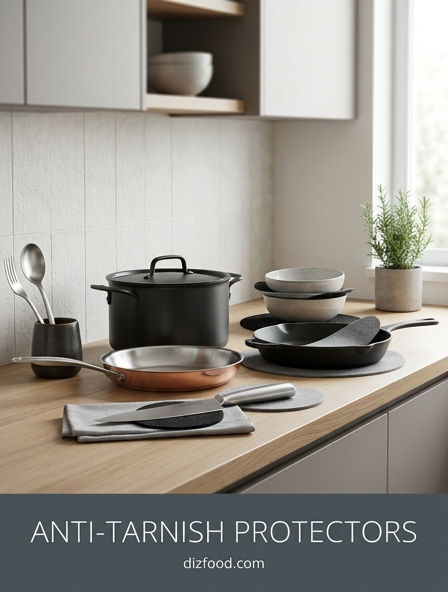
Understanding Tarnish and Metal Oxidation
Tarnish is a thin layer of corrosion that forms over various metals, particularly silver, copper, and brass, as a result of a chemical reaction with surrounding elements. In a kitchen environment, the primary culprit is often hydrogen sulfide found in the air or in certain food items like eggs and onions. When silver atoms react with sulfur, they create silver sulfide, a dark substance that dulls the metal's natural luster. Unlike rust, which eats away at the base metal of iron and steel, tarnish is typically self-limiting, affecting only the surface layers. However, if left untreated, this oxidation can become thick and difficult to remove without abrasive polishing that strips away the metal itself.
- Atmospheric Sulfur: The most common cause of surface darkening.
- Moisture: High humidity accelerates the electrochemical process.
- Acidity: Contact with citrus or vinegar can etch metal surfaces.
- Salt: Sodium chloride acts as a catalyst for pitting and corrosion.
Understanding these triggers is essential for implementing effective protection strategies. By managing the environment where kitchenware is stored, homeowners can significantly slow the oxidation rate and preserve the integrity of their investments.
Benefits of Specialized Anti-Tarnish Strips
Specialized anti-tarnish strips are a highly efficient, low-maintenance solution for protecting delicate kitchen metals. These small, non-toxic paper or fabric tabs are impregnated with activated carbon or specialized minerals designed to scavenge sulfur and pollutants from the air. By placing these strips inside enclosed storage areas, you create a purified micro-environment that prevents the chemical reactions leading to oxidation. They are particularly beneficial for those who do not use their fine cutlery daily, as they offer passive protection for several months at a time.
- Convenience: Simply place them in a drawer or chest without any complicated installation.
- Safety: They do not emit harmful vapors, making them safe for food-contact surfaces.
- Versatility: Effective for silver, gold, copper, and nickel-plated items.
- Visual Indicator: Many strips change color when they are saturated and need replacement.
Because these strips occupy minimal space, they are ideal for crowded kitchen drawers or compact flatware organizers. They provide a cost-effective alternative to frequent manual polishing, which can eventually wear down decorative engravings and thin the plating on heirloom pieces.
Proper Storage for Fine Silver Flatware
The longevity of fine silver flatware depends heavily on how it is stored between uses. Proper storage involves more than just keeping items out of sight; it requires a controlled environment that minimizes exposure to air and moisture. Ideally, silver should be kept in a dedicated chest lined with tarnish-resistant cloth. These linings are treated with silver particles that attract and neutralize sulfur before it can reach your cutlery. It is also vital to avoid using rubber bands or plastic wraps containing PVC, as these materials release gases that can cause permanent damage and severe discoloration.
- Clean and dry each piece thoroughly before placing it in storage.
- Use individual soft pouches to prevent pieces from scratching one another.
- Avoid storing flatware near heat sources or in damp basements.
- Incorporate anti-tarnish strips or silica gel packets to manage humidity.
- Ensure the storage container is as airtight as possible to limit airflow.
By following these steps, you reduce the frequency of aggressive cleaning. Consistent storage habits ensure that your silver remains ready for the table at a moment's notice, retaining its brilliant reflective quality for generations.
Selecting the Best Anti-Tarnish Cloths
When selecting anti-tarnish cloths, it is important to distinguish between polishing cloths and storage cloths. Polishing cloths are designed with mild abrasives and chemical agents to remove existing oxidation, whereas storage cloths (often referred to as silver cloth) are designed to prevent tarnish from occurring. The best storage cloths are made of 100% cotton flannel infused with zinc or silver particles. These particles act as a "sacrificial" barrier, reacting with atmospheric gases so the flatware doesn't have to. When purchasing, look for high-thread-count fabrics that provide a soft, scratch-free surface for delicate finishes.
| Cloth Type | Primary Use | Key Advantage |
|---|---|---|
| Zinc-Infused Flannel | Long-term Storage | Neutralizes sulfur gases effectively. |
| Microfiber Polishing | Daily Maintenance | Lifts fingerprints and light oils. |
| Silver-Clad Fabric | Protective Wraps | Highest level of preventative care. |
Ensure that the cloth you choose is specifically labeled as "tarnish-preventative." Using standard felt or wool can actually accelerate tarnishing due to the natural sulfur content in those fibers.
Protecting Heirloom Cutlery from Corrosion
Heirloom cutlery represents both financial value and sentimental history, requiring a higher tier of protection against corrosion. Corrosion in older pieces often starts at the junction between the blade and the handle, particularly in hollow-handle knives where old resins may be present. To protect these pieces, one must balance environmental control with careful handling. Humidity is the greatest enemy of heirloom sets, as it facilitates the electrolytic process that leads to pitting. Regular inspections are necessary to identify early signs of "pepper spots," which are tiny black dots indicating deep-seated corrosion.
- Hand-wash only: Never place heirloom silver or vintage carbon steel in a dishwasher.
- Immediate Drying: Use a soft linen towel to remove all traces of water instantly.
- Periodic Use: Occasional use and gentle washing actually help prevent heavy tarnish buildup.
- Protective Barriers: Use acidified-free tissue paper for additional wrapping within storage chests.
Because many heirloom pieces feature intricate patterns, tarnish can hide in deep crevices. Using a soft-bristled brush with a specialized anti-tarnish cream can help maintain these details without causing the erosion associated with harsh chemical dips or heavy buffing wheels.
Maintenance Tips for Polished Kitchenware
Maintaining the high-gloss finish of polished kitchenware requires a proactive approach rather than a reactive one. The goal is to minimize the number of times a piece needs to be polished, as every polishing session removes a microscopic layer of metal. For daily-use items, the best maintenance involves prompt cleaning after exposure to acidic foods or salty liquids. Even stainless steel, which is more resistant to tarnish, can develop heat tints or water spots if not cared for correctly. Establishing a routine ensures that your kitchen tools remain both functional and aesthetically pleasing.
- Rinse items immediately after use to prevent food acids from etching the surface.
- Use mild, phosphate-free detergents to avoid chemical staining.
- Buff surfaces with a dry microfiber cloth after washing to restore shine.
- Apply a food-safe mineral oil to copper or brass accents to create a moisture barrier.
- Store frequently used items in a dry, ventilated area away from the stove's steam.
If a light golden hue begins to appear on silver, a gentle wipe with a tarnish-preventative cloth is often enough to reset the surface. This prevents the transition to the dark blue or black stages of oxidation that require more intensive labor.
The Role of Humidity in Tarnish Formation
Humidity plays a silent but devastating role in the degradation of kitchen metals. Water vapor in the air acts as an electrolyte, facilitating the movement of electrons between the metal surface and atmospheric pollutants. In kitchens, where boiling water, dishwashers, and sinks create a naturally humid environment, the rate of tarnish formation is significantly higher than in other parts of the home. When the relative humidity exceeds 50%, the chemical reaction between silver and sulfur compounds accelerates exponentially. This is why silver stored in a kitchen buffet often tarnishes faster than silver stored in a bedroom chest.
To combat this, it is essential to monitor the moisture levels in your storage areas. Using desiccant packets, such as silica gel, can help pull excess moisture from the air within a closed drawer. However, these packets must be recharged or replaced periodically to remain effective. For those living in coastal or tropical climates, a dehumidifier in the dining or kitchen area can provide a broader layer of protection. By keeping the environment dry, you essentially "starve" the oxidation process, ensuring that your anti-tarnish strips and cloths can work more efficiently over a longer period.
How Anti-Tarnish Protectors Work Long Term
Anti-tarnish protectors function through two primary mechanisms: absorption and physical barriers. Long-term solutions, such as Volatile Corrosion Inhibitors (VCI), work by releasing a harmless vapor that settles on the metal surface, forming a molecular layer that blocks oxygen and moisture. Unlike traditional oils or waxes, these do not leave a greasy residue and do not need to be washed off before the item is used. Other protectors, like treated foams or felt linings, utilize intercept technology where high-surface-area copper or zinc particles are embedded in the material to react with gases before they reach the kitchenware.
- Sacrificial Anodes: Metals in the protector react with sulfur so the silver doesn't.
- Molecular Barriers: VCI layers prevent the contact of corrosive elements.
- Adsorption: Activated carbon pores trap pollutants permanently.
The efficacy of these protectors over several years depends on the seal of the storage container. In a tightly sealed chest, a single anti-tarnish strip can be effective for up to two years. In an open-air environment, the lifespan is drastically reduced. Understanding this lifecycle allows collectors to schedule maintenance and replacement of protectors to ensure uninterrupted defense against the elements.
Seasonal Care for Luxury Dining Sets
Luxury dining sets, often reserved for holidays or special events, spend the majority of the year in storage. This makes them highly susceptible to "hidden" tarnish that goes unnoticed until the day of the event. A seasonal maintenance schedule is the best way to ensure these sets remain pristine. Every six months, even if the items haven't been used, they should be inspected for any breach in their protective packaging. This is also the perfect time to rotate any anti-tarnish strips and ensure that the storage environment has not been compromised by leaks or extreme temperature shifts.
- Unpack and inspect each piece for signs of yellowing or spotting.
- Wipe down with a dry, soft cloth to remove any settled dust.
- Replace old anti-tarnish tabs with fresh ones.
- Check the integrity of storage pouches and re-tie any loose closures.
- Document the condition of the set for insurance or heirloom tracking.
By dedicating an hour twice a year to these tasks, you avoid the high-stress situation of discovering blackened silver hours before a formal dinner. Seasonal care ensures that your luxury items transition seamlessly from storage to the table with minimal effort.
Preserving the Shine of Specialized Metals
While silver is the focus of many anti-tarnish discussions, other kitchen metals like copper, brass, and pewter require specialized care. Copper, prized for its thermal conductivity, develops a green patina (verdigris) when exposed to moisture and oxygen over time. Brass, an alloy of copper and zinc, can lose its golden brilliance and turn a dull brown. Anti-tarnish protectors for these metals often involve thin, food-safe lacquers or wax coatings that provide a physical seal. It is important to match the protector to the specific metal, as some chemicals used for silver can be too reactive for softer metals like pewter.
| Metal Type | Common Tarnish | Best Protection Method |
|---|---|---|
| Copper | Verdigris / Dark Brown | Food-safe wax or specialized lacquer. |
| Brass | Dull Patina | VCI strips and airtight cabinets. |
| Pewter | Graying / Scaling | Frequent washing and dry storage. |
Preserving the shine of these specialized metals enhances the overall aesthetic of a high-end kitchen. By understanding the unique chemical vulnerabilities of each alloy, you can select the most appropriate anti-tarnish technology to keep your entire collection looking its best.

Comments