
Understanding Modern Oven Heat Distribution
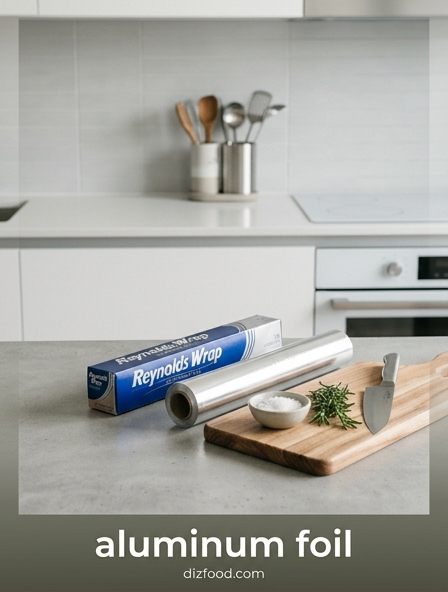
Modern ovens are precision-engineered appliances designed to distribute heat through a combination of radiation, conduction, and convection. Unlike older models that relied on simple exposed coils, contemporary units often utilize hidden elements and sophisticated fan systems to ensure an even temperature throughout the cavity. This complex thermal environment relies on the free movement of air and the predictable absorption of energy by the oven's interior surfaces. When users introduce foreign materials like aluminum foil into this calibrated space, they disrupt the intended thermal dynamics.
The efficiency of a modern oven is often measured by its ability to maintain a consistent temperature without creating localized "hot spots." Engineers design the porcelain-coated walls to reflect a specific amount of heat while absorbing the rest to provide steady ambient warmth. Key factors influencing heat distribution include:
- The placement of the convection fan and its baffle system.
- The emissivity of the interior enamel coating.
- The cycle frequency of the upper and lower heating elements.
- The volume of the oven cavity relative to the heating output.
Interrupting these factors can lead to poorly cooked food and mechanical strain on the appliance's temperature sensors.
How Aluminum Foil Blocks Airflow
Airflow is the lifeblood of a functioning oven, especially in gas and convection models. Manufacturers strategically place intake and exhaust vents to ensure that heat circulates effectively around the food. When a homeowner lines the bottom of the oven or covers the racks with aluminum foil, they inadvertently create a barrier that restricts this essential movement. This restriction forces the oven to work harder to reach the programmed temperature, as the thermostat detects cold pockets where air has been blocked.
In convection ovens, the fan is designed to move air in a specific pattern. Foil can act as a sail, catching the wind and redirecting it away from the dish, or worse, covering the fan intake entirely. This lack of circulation results in uneven baking, where the bottom of a cake might burn while the top remains raw. Furthermore, blocked airflow can cause the oven's external panels to overheat, potentially damaging surrounding cabinetry or the oven's internal electronic control board due to excessive heat buildup within the chassis.
The Danger of Melting Foil on Porcelain
Most modern oven interiors are finished with a specialized porcelain enamel, which is essentially a layer of glass fused to metal. This surface is designed to be durable and heat-resistant, but it is not indestructible. Aluminum foil has a melting point of approximately 1,220 degrees Fahrenheit. While a standard oven setting of 400 degrees seems safe, the foil can reach much higher temperatures through radiant heat absorption or direct contact with heating elements. If the foil makes direct contact with the oven floor, a chemical reaction known as "fusion" can occur.
Once the aluminum reaches its critical temperature, it can bond molecularly to the porcelain finish. As the oven cools, the two materials contract at different rates, leading to permanent scarring. The following table illustrates the risks associated with various oven surfaces:
| Surface Type | Foil Risk Level | Result of Contact |
|---|---|---|
| Blue Porcelain | Extreme | Permanent etching and chipping |
| Black Enamel | High | Surface pitting and grey staining |
| Stainless Steel | Moderate | Discoloration and warping |
Fire Hazards and Foil Reflectivity
Aluminum foil is highly reflective, which is useful for wrapping potatoes but dangerous when used to line an oven. This reflectivity can cause heat to "bounce" back toward the heating elements or the oven walls in unpredictable ways. This concentrated radiant energy can cause the heating elements to fail prematurely or even ignite grease drippings that have accumulated on the foil itself. Because foil is thin and conductive, it can reach ignition temperatures for fat and oils much faster than the heavy-duty metal of a standard roasting pan.
Furthermore, if a piece of foil becomes loose due to the force of a convection fan, it can come into direct contact with an exposed heating element. This creates an immediate risk of electrical arcing and fire. To minimize these hazards, users should follow these safety protocols:
- Never allow foil to touch any electrical heating coils.
- Avoid using large sheets of foil that can catch wind.
- Remove any foil immediately if it shows signs of discoloration or "crinkling" from heat.
- Always keep a fire extinguisher rated for electrical and grease fires in the kitchen.
Hidden Heating Elements and Foil Risks
The aesthetic trend in modern kitchen appliances is toward "hidden" heating elements, where the bottom coil is located beneath a solid floor of porcelain-coated steel. While this makes the oven easier to wipe down, it creates a significant hazard if aluminum foil is placed on the oven floor. The heat from the element must pass through the metal floor to reach the oven cavity. If foil is resting on that floor, it traps the heat between the foil and the metal surface, creating a thermal sandwich.
This trapped heat can cause the temperature of the oven floor to exceed its design limits rapidly. The result is often a cracked oven floor or a "blown" heating element that is expensive to replace. Because the thermostat is usually located higher up in the cavity, it will not detect the dangerous overheating occurring at the base. This localized heat buildup can also damage the insulation underneath the oven floor, leading to decreased energy efficiency and potential damage to the floor of your kitchen or the appliance's leveling legs.
Carbon Monoxide Concerns in Gas Ovens
In a gas oven, the relationship between fuel, oxygen, and heat is a delicate balance. Gas burners require a constant supply of fresh oxygen to maintain a clean blue flame. This oxygen is drawn in through vents, and the combustion byproducts, such as carbon dioxide and water vapor, are expelled through an exhaust flue. If aluminum foil is used to line the bottom of a gas oven, it often inadvertently covers the burner ports or the air intake vents located at the base of the unit.
When airflow is restricted, the gas burner may suffer from "incomplete combustion." Instead of producing harmless byproducts, the flame begins to produce carbon monoxide (CO), an odorless, colorless, and deadly gas. Signs of poor combustion include:
- A yellow or orange flame instead of a crisp blue one.
- A heavy smell of gas or a "pungent" odor during operation.
- Soot buildup on the oven walls or the bottom of cookware.
- The frequent triggering of household carbon monoxide detectors.
Using foil in this manner transforms a cooking appliance into a significant health risk for everyone in the home.
Permanent Damage to Oven Surfaces
The damage caused by aluminum foil is rarely just cosmetic; it often compromises the structural integrity of the oven's interior. When foil fuses to the porcelain enamel, the attempt to scrape it off usually results in the enamel chipping away, exposing the raw steel underneath. Once the steel is exposed to the high humidity and acidic vapors produced during cooking, it will begin to rust. This oxidation can eventually lead to holes in the oven cavity, rendering the appliance unsafe and unusable.
Even if the foil does not melt, it can cause "heat etching." This occurs when the reflective properties of the foil create intense localized heat that changes the molecular structure of the glass finish. This results in permanent white or grey cloudy patches that cannot be cleaned or polished away. To preserve the longevity of the appliance, it is vital to treat the interior surfaces with care. Avoid using any metal scrapers or abrasive pads when attempting to remove foil residue, as this only exacerbates the surface damage and speeds up the degradation of the protective coating.
Why Manufacturers Void Warranties
Purchasing a modern oven is a significant investment, often protected by a manufacturer's warranty. However, these warranties come with specific "terms of use" that must be followed. Nearly every major appliance brand-including Whirlpool, GE, and Samsung-explicitly states in their owner's manuals that aluminum foil should never be used to line the oven bottom or racks. Using foil is considered "improper use" or "consumer negligence," which gives the manufacturer the legal right to void the warranty for any resulting repairs.
If a technician arrives to fix a cracked oven floor or a burnt-out element and finds traces of melted foil, the service call and the parts will likely be charged to the homeowner at full price. The costs associated with these repairs can be substantial:
- Replacement of a porcelain oven cavity: $400 - $900.
- Hidden bake element replacement: $200 - $350.
- Control board failure due to overheating: $300 - $500.
Reading the manual is essential, as it provides the specific guidelines required to keep the warranty intact and the appliance operating safely for its intended lifespan.
Safe Alternatives for Drip Protection
The desire to use aluminum foil stems from a practical need: preventing messy drips from pies, casseroles, and roasted meats. Fortunately, there are several safe alternatives that do not risk damaging the oven or creating fire hazards. The most effective method is to place a standard baking sheet or "cookie sheet" on the rack directly below the item being cooked. This catches any spills while allowing air to circulate freely around the sides of the pan and throughout the rest of the oven.
Another option is the use of specialized silicone oven liners. However, these must be used with extreme caution. They should never be placed on the floor of the oven; instead, they are designed to sit on the lowest wire rack. Other alternatives include:
- Deep-dish roasting pans that contain splatters within the vessel.
- Using a larger size pie plate to catch bubbling fruit juices.
- Purchasing "oven-safe" drip trays specifically designed to hang from the racks.
These methods provide the same convenience as foil without the risk of melting, airflow restriction, or permanent damage to the porcelain finish.
Maintaining Your Oven Without Foil
A clean oven performs better and lasts longer. Rather than relying on foil to prevent messes, establishing a routine maintenance schedule is the best way to keep the appliance in top condition. Most spills are easy to clean if they are addressed as soon as the oven has cooled down. A simple paste of baking soda and water can lift most burnt-on food without the need for harsh chemicals that might damage the enamel or produce toxic fumes during the next cooking cycle.
For ovens with a "Steam Clean" feature, use it regularly for light soils. This low-heat cycle uses water to loosen debris, making it easy to wipe away with a microfiber cloth. For heavy-duty cleaning, consider the following steps:
- Remove all racks and wash them separately in the sink with soapy water.
- Apply a non-abrasive cleaner to the interior walls and floor.
- Let the cleaner sit for at least 30 minutes to break down grease.
- Wipe the surface with a damp sponge, rinsing frequently.
By ditching the foil and adopting these habits, you ensure the safety, efficiency, and beauty of your kitchen's most important appliance.

Comments