
Benefits of Sustainable Plant Based Fibers
Transitioning to sustainable plant-based fibers in the kitchen offers a multitude of environmental and functional advantages. Unlike synthetic sponges derived from petroleum-based plastics, plant-based alternatives utilize renewable resources such as wood pulp, cotton, and hemp. These materials are inherently biodegradable, meaning they break down naturally at the end of their lifecycle without releasing harmful microplastics into the water supply. Furthermore, the production of these fibers typically requires less energy and generates fewer carbon emissions compared to traditional polyester manufacturing.
- Reduced carbon footprint during the manufacturing phase.
- Elimination of microplastic shedding during daily use.
- Natural antimicrobial properties inherent in certain plant species.
- Full compostability in home or industrial settings.
- High tensile strength for rigorous scrubbing tasks.
By opting for these renewable resources, homeowners can ensure their cleaning routine aligns with ecological preservation. The porous nature of plant fibers also facilitates faster drying, which significantly inhibits the growth of bacteria and unpleasant odors that often plague synthetic counterparts. Investing in these materials supports a circular economy where kitchen tools return to the earth as nutrients.
Top Eco Friendly Materials for Maximum Absorbency
When selecting eco-friendly kitchen tools, absorbency is a primary performance metric. Natural materials vary in their ability to retain liquid, with wood pulp cellulose and bamboo leading the pack in efficiency. Cellulose sponges, specifically those manufactured from FSC-certified wood pulp, can hold up to twenty times their weight in liquid, making them indispensable for drying countertops. The table below compares the liquid retention capabilities of common sustainable materials used in modern kitchens.
| Material | Absorbency Level | Best Use Case |
|---|---|---|
| Wood Pulp Cellulose | Excellent | Countertop Spills |
| Organic Cotton | High | Drying Dishes |
| Bamboo Viscose | Very High | Heavy Liquid Pickup |
| Sisal Fiber | Moderate | Scrubbing Residue |
Selecting the right material ensures that cleaning tasks are completed quickly and with minimal effort. While sisal and loofah are preferred for their abrasive qualities, cellulose remains the gold standard for pure suction. Integrating a variety of these materials into your kitchen inventory allows for a specialized approach to different types of mess.
Bamboo Versus Traditional Paper Towels
The debate between using bamboo towels and traditional wood-pulp paper towels centers on sustainability and reusability. Traditional paper towels are designed for single-use applications, leading to significant landfill waste and constant repurchase cycles. In contrast, bamboo-based towels are often engineered to be washed and reused dozens of times, bridging the gap between a standard sponge and a disposable sheet. Bamboo grows significantly faster than the trees used for conventional paper, making it a more rapidly renewable resource that requires no pesticides.
- Bamboo towels can be laundered up to 50 times before losing integrity.
- Standard paper towels contribute to 13 billion pounds of waste annually.
- Bamboo fibers are naturally softer and less likely to scratch delicate surfaces.
- The tensile strength of bamboo prevents tearing when wet.
From a cost-effectiveness perspective, a single roll of bamboo towels can replace up to six months of traditional paper towel usage. This shift not only reduces the household's environmental impact but also simplifies grocery shopping and storage. By moving away from "throwaway culture," kitchens become more efficient and less reliant on high-waste products.
Cellulose Sponges for Kitchen Cleanup
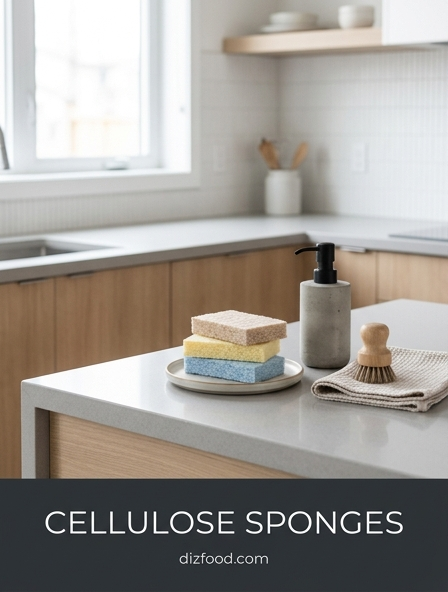
Cellulose sponges represent the pinnacle of eco-friendly kitchen engineering, combining soft texture with extreme durability. These sponges are manufactured through a specialized process that creates large internal pores, allowing them to soak up liquids through capillary action. Unlike foam sponges, cellulose does not crumble easily and can withstand high temperatures, making it safe to sanitize in the dishwasher or microwave. This resilience ensures that the sponge maintains its shape even after weeks of heavy use on grease and grime.
- Rinse the sponge thoroughly after every use to remove food particles.
- Wring out excess water to allow for rapid air drying.
- Sanitize weekly using boiling water or a dilute vinegar soak.
- Compost the sponge once it begins to thin or tear significantly.
The versatility of cellulose makes it suitable for various kitchen tasks, from wiping down delicate glassware to scrubbing stainless steel sinks. Because they are often reinforced with internal hemp or cotton fibers, they resist tearing better than synthetic sponges. For those concerned with kitchen aesthetics, these sponges are available in natural tones that complement modern interior designs while providing professional-grade cleaning performance.
The Science of Plant Based Suction
The impressive suction power of plant-based cleaning tools is rooted in the complex molecular structure of cellulose. Cellulose is a polysaccharide consisting of a linear chain of several hundred to many thousands of linked glucose units. These chains form microfibrils, which create a highly porous, three-dimensional network. When water contacts these fibers, it is drawn into the microscopic gaps via capillary action, a process where liquid flows into narrow spaces without the assistance of external forces. This allows a plant-based sponge to act like a vacuum for liquid spills.
Additionally, the hydrophilic nature of plant fibers means they have a natural affinity for water. While synthetic materials often require chemical surfactants to become absorbent, cellulose and cotton are naturally ready to work. The internal surface area of a single cellulose sponge is vast, providing ample space for water molecules to bond to the fiber walls. This scientific advantage ensures that moisture is trapped securely within the material until it is manually wrung out, preventing the dripping and smearing common with low-quality plastic sponges. Understanding this mechanism highlights why natural fibers remain superior for managing high-volume kitchen spills.
Sustainable Alternatives for Heavy Spills
When dealing with large spills or heavy kitchen messes, standard sponges may fall short. In these instances, specialized sustainable alternatives provide the necessary surface area and density. Swedish dishcloths, a hybrid of cellulose and cotton, are particularly effective. They combine the absorbency of a sponge with the flexibility of a cloth, allowing them to cover large surface areas quickly. For even heavier tasks, thick-cut loofah or sisal-based pads offer the structural integrity needed to move large volumes of liquid or thick sauces without becoming saturated immediately.
- Swedish dishcloths: Best for large-scale countertop wiping.
- Compressed cellulose blocks: Ideal for soaking up puddles.
- Triple-layered cotton towels: Best for drying large pots and pans.
- Hemp floor cloths: Useful for kitchen floor spills and leaks.
These tools are designed to be reused, reducing the need for bulk paper towel consumption during kitchen disasters. Because they are made from organic matter, they do not leave behind chemical residues or synthetic lint. Maintaining a dedicated "heavy-duty" kit of these natural materials ensures that you are prepared for any spill while maintaining a commitment to plastic-free living and environmental responsibility.
Biodegradable Cleaning Tools for Every Surface
A truly eco-friendly kitchen requires tools that are safe for a variety of surfaces, from granite and marble to non-stick cookware. Biodegradable tools are often softer on finishes than their metallic or plastic counterparts. For instance, a soft cellulose sponge is ideal for polished surfaces, whereas a walnut-shell scourer provides enough grit for cast iron without damaging the seasoning. Using these targeted tools ensures the longevity of your kitchen installations while maintaining a zero-waste philosophy.
- Use soft wood pulp for glassware and fine china.
- Apply coconut husk scrubbers for stubborn stains on baking sheets.
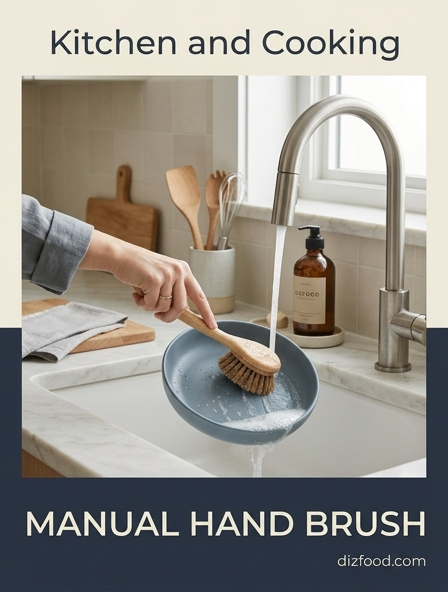
- Utilize bamboo brushes for cleaning vegetables and wooden cutting boards.
- Employ cotton-hemp blends for daily dusting of kitchen shelving.
The versatility of these plant-based materials means there is no compromise on performance. By matching the specific fiber type to the surface requirements, you minimize the risk of scratching or dulling expensive kitchen finishes. Furthermore, because these tools are free from synthetic dyes and toxic glues, they are safer for surfaces that come into direct contact with food, providing peace of mind for health-conscious households.
Comparing Hemp and Cotton Absorbency
In the realm of sustainable fabrics, hemp and cotton are the most prominent contenders for kitchen cloths. While both are plant-derived, their performance characteristics differ significantly. Cotton is prized for its immediate softness and high initial absorbency, making it perfect for tea towels. Hemp, however, is known for its incredible durability and its ability to become more absorbent with every wash. Hemp fibers are also naturally resistant to mold and mildew, which is a significant advantage in the damp environment of a kitchen sink area.
| Feature | Organic Cotton | Industrial Hemp |
|---|---|---|
| Drying Speed | Moderate | Fast |
| Durability | High | Superior |
| Mildew Resistance | Low | Very High |
| Texture | Soft | Coarse (Softens over time) |
For most kitchen users, a blend of these two fibers provides the best of both worlds. A hemp-cotton mix offers the instant suction of cotton with the long-lasting, anti-fungal properties of hemp. This combination results in a cleaning cloth that stays fresh longer and survives hundreds of laundry cycles, making it a staple for any sustainable home.
Reducing Home Waste with Renewable Fabrics
Adopting renewable fabrics in the kitchen is a cornerstone of the zero-waste movement. Every year, millions of synthetic sponges and rolls of paper towels end up in landfills, where they take centuries to decompose and leach chemicals into the soil. By switching to compostable cellulose and natural fibers, a household can virtually eliminate its cleaning-related waste stream. These renewable fabrics are sourced from crops that regenerate quickly, ensuring that the supply chain is as sustainable as the product itself.
- Eliminates the need for plastic-wrapped disposable cleaning products.
- Reduces the frequency of household waste collection.
- Supports regenerative agriculture and sustainable forestry practices.
- Provides high-quality compost material for home gardens.
Beyond the environmental impact, renewable fabrics often prove to be more economical over time. While the initial investment might be slightly higher than a pack of cheap plastic sponges, the extended lifespan of plant-based tools means fewer replacements. This shift in purchasing habits encourages a more mindful approach to consumption, where quality and environmental harmony are prioritized over convenience and low-cost disposability.
Care and Longevity of Natural Cleaning Cloths
To maximize the lifespan of natural cleaning tools, proper maintenance is essential. Unlike synthetic materials that can trap bacteria in their plastic pores, natural fibers can be easily sanitized using heat or natural acids. Proper care not only keeps the kitchen hygienic but also ensures that the fibers do not break down prematurely. Because these materials are organic, they are susceptible to rot if left constantly wet, making the drying process the most critical step in their maintenance routine.
- Always hang cloths or place sponges in a ventilated rack to dry.
- Avoid using chlorine bleach, which can weaken natural cellulose fibers.
- Machine wash cotton and hemp cloths on a warm cycle with eco-friendly detergent.
- Air dry whenever possible to prevent shrinkage and fiber damage.
By following these simple steps, a high-quality cellulose sponge or hemp cloth can last for several months of daily use. Once the item eventually loses its structural integrity, it can be cut into smaller pieces and added to a compost bin. This cradle-to-grave management ensures that your kitchen remains clean and your environmental footprint remains small, completing the cycle of sustainable living.

Comments