
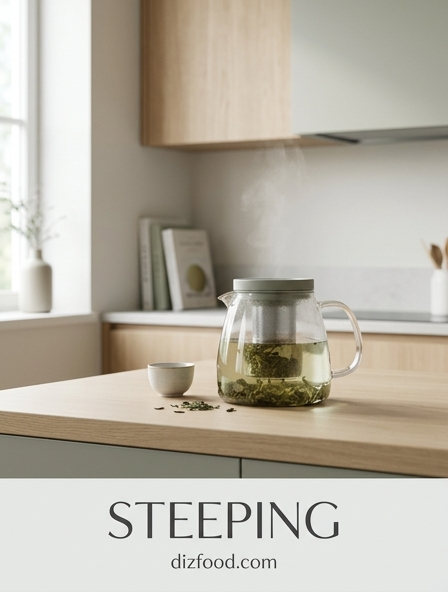
Unlocking the full potential of your botanicals starts with mastering subtle infusions, a specialized technique designed to safeguard the delicate volatile oils and nuanced flavors that excessive heat often destroys. By prioritizing gentle extraction methods, you preserve the ethereal aromatic profiles and therapeutic properties that define premium herbal preparations. This mindful approach ensures that every cup captures the true, vibrant essence of the plant without introducing unwanted bitterness or astringency. To consistently achieve these professional results, you must understand how different extraction temperatures impact your ingredients, particularly when deciding between steeping vs decoction.
Understanding Volatile Oil Chemistry
The essence of steeping lies in the successful extraction of volatile oils, the organic compounds responsible for the distinct aroma and flavor of botanical ingredients. These oils are hydrophobic and highly sensitive to thermal energy. When plant tissues are submerged in a solvent, the heat begins to break down cellular structures, releasing terpenes, esters, and phenols. Understanding the boiling points of these specific compounds is vital, as excessive heat can cause them to evaporate or undergo chemical transformations that result in off-flavors.
Different botanicals possess varying concentrations of these oils, which dictates how they should be handled in a culinary environment. For instance, the chemistry of a woody spice like cinnamon differs significantly from the delicate structure of mint leaves. To maximize the sensory profile of an infusion, one must consider the following factors:
- Molecular weight of the aromatic compounds.
- Solubility of the oil in the chosen medium (water, lipid, or ethanol).
- The degradation rate of antioxidants when exposed to heat.
- Surface area of the botanical material relative to the liquid volume.
Low Temperature Extraction Methods
Low temperature extraction is a technique designed to pull flavors from delicate ingredients without inducing the bitterness associated with high-heat steeping. By maintaining a temperature range between 60°F and 140°F, the cook ensures that tannins and heavy alkaloids remain trapped within the plant matter, while the lighter, more floral notes are gently coaxed into the liquid. This method is particularly effective for oils and vinegars intended for dressings.
Using a controlled environment, such as a water bath or a specialized infusion chamber, allows for a consistent yield. The table below outlines common ingredients and their ideal low-temperature parameters:
| Ingredient | Ideal Temp (°F) | Resulting Profile |
|---|---|---|
| Fresh Basil | 70 - 85 | Bright, peppery, sweet |
| Citrus Zest | 100 - 110 | Clear, non-bitter citrus |
| Vanilla Beans | 120 - 135 | Deep, creamy, complex |
Optimizing Steeping Durations
Timing is perhaps the most critical variable in the steeping process. Under-steeping results in a weak, watery infusion that lacks the depth of the source material, while over-steeping can draw out astringent compounds that mask the intended flavor profile. The duration of the steep must be calibrated based on the density of the ingredient and the temperature of the solvent. As the solvent saturates the material, a curve of extraction occurs where the most desirable flavors are released first.
To achieve a balanced profile, follow these general steps for managing time in the kitchen:
- Assess the surface area; finely ground ingredients require significantly less time than whole spices.
- Perform periodic taste tests at thirty-second intervals for high-temperature infusions.
- Observe color changes as a visual proxy for flavor concentration.
- Immediately strain the liquid once the peak flavor is reached to halt the extraction process.
- Account for "carry-over" extraction if the liquid remains hot after the solids are removed.
Selecting Base Solvents for Aromatics
The choice of solvent determines which chemical components will be extracted from the botanical. Water is the most common solvent, ideal for hydrophilic compounds found in tea and dried herbs. However, many aromatic molecules are fat-soluble, meaning they require a lipid base like olive oil, butter, or heavy cream to be effectively captured. The polarity of the solvent dictates the efficiency of the molecular bond between the liquid and the aromatic oil.
Beyond water and fats, alcohol serves as a powerful solvent for creating high-potency extracts and bitters. It can dissolve resins and waxes that water cannot touch. Consider the following solvent properties when planning an infusion:
- Water: Best for rapid extraction of salts, sugars, and light acids.
- Neutral Spirits: Ideal for long-term preservation of complex floral scents.
- Vegetable Oils: Excellent for capturing the earthy notes of rosemary and thyme.
- Vinegar: Useful for extracting minerals and creating bright, acidic infusions.
Cold Brewing Delicate Botanicals
Cold brewing is a specialized form of steeping that relies on extended time rather than heat to facilitate extraction. This method is particularly suited for delicate botanicals like chamomile, hibiscus, or silver needle tea, which can become scorched or overly acidic when exposed to boiling water. By using room temperature or chilled water, the extraction process is slowed down, allowing for a smoother, more nuanced flavor profile that highlights the ingredient's natural sweetness.
The absence of heat prevents the agitation of bitter polyphenols, resulting in a cleaner finish on the palate. To succeed with cold brewing, one must ensure the botanicals are fully submerged and kept in a stable environment. Key benefits of this method include:
- Reduction in perceived bitterness and astringency.
- Higher retention of heat-sensitive vitamins and antioxidants.
- A clearer, less cloudy final liquid.
- Extended shelf life due to lower initial bacterial activity from heat.
Preserving Fragile Essential Flavors
Preserving the "top notes" of an infusion-those initial, fleeting scents that define freshness-requires careful management of the environment. Once these flavors are extracted into a liquid, they are highly susceptible to degradation through heat and light. To keep these flavors intact, it is essential to minimize the time the liquid spends at elevated temperatures. Quick cooling, often using an ice bath immediately after the steeping duration is complete, can "lock in" these volatile profiles.
Furthermore, covering the steeping vessel is a simple yet vital step. An open container allows the most fragrant steam to escape into the kitchen rather than remaining in the infusion. To preserve flavor integrity, follow these procedures:
- Keep the vessel tightly sealed during the entire steeping process.
- Avoid vigorous stirring, which can introduce excess oxygen.
- Use a secondary filtration step to remove micro-particulates that can cloud the flavor.
- Store the finished extract in a container with minimal headspace to reduce air contact.
Tools for Precision Infusion
The quality of a steeped liquid is often a reflection of the precision of the tools used. In a professional or serious home kitchen, relying on guesswork can lead to inconsistent results. A high-quality digital scale is necessary for maintaining consistent ratios between the dry material and the solvent. Similarly, a digital thermometer ensures that the solvent is at the exact temperature required to trigger extraction without burning the delicate leaves or spices.
Different tools offer varying levels of control over the filtration and agitation of the ingredients. The following table compares common infusion tools:
| Tool | Best Use Case | Primary Benefit |
|---|---|---|
| French Press | Coarse herbs/coffee | Excellent immersion and easy separation |
| Chinois Sieve | Fine spices and oils | Ultra-fine filtration for clarity |
| Sous-vide Circulator | Constant temp infusions | Unmatched temperature precision |
Balancing Subtle Herbal Profiles
When steeping multiple ingredients simultaneously, the challenge lies in balancing their individual strengths. Some herbs, like sage or rosemary, are dominant and can easily overwhelm more subtle notes like lemon balm or lavender. Achieving a harmonious blend requires an understanding of the potency of each component. It is often helpful to steep dominant ingredients separately or introduce them later in the process to prevent them from drowning out the more delicate aromatics.
Creating a balanced profile is an exercise in layering. Consider these tips for herb blending:
- Start with a base note (e.g., earthy roots or dried berries) for body.
- Add middle notes (e.g., floral or citrus elements) for complexity.
- Use a 3:1 ratio of mild to pungent herbs as a starting baseline.
- Test the infusion at different stages, as some herbs release flavor faster than others.
- Consider the final application; a syrup needs more intensity than a beverage.
Techniques for Preventing Oxidation
Oxidation is the enemy of any aromatic extract. When the essential oils in a steeped liquid are exposed to oxygen, they begin to break down, leading to a loss of color and the development of stale, cardboard-like flavors. This is particularly noticeable in green herbal infusions and tea-based liquids. To combat this, minimizing the surface area of the liquid exposed to the air is crucial. Using narrow-necked bottles rather than wide bowls can significantly slow the oxidative process.
There are several technical approaches to reducing oxygen exposure during and after the steeping process:
- Fill storage containers to the very top to eliminate air pockets.
- Use amber or dark-colored glass to block UV rays that catalyze oxidation.
- Incorporate a small amount of ascorbic acid (Vitamin C) as a natural antioxidant.
- Avoid over-aerating the liquid when pouring or straining.
- Store the finished product in a cool, dark environment to slow chemical reactions.
Proper Storage of Aromatic Extracts
The longevity of a steeped extract depends heavily on its storage conditions. Even the most expertly crafted infusion will degrade rapidly if left on a warm counter or in direct sunlight. For water-based infusions, refrigeration is mandatory to prevent microbial growth and preserve the fresh characteristics of the botanicals. Oil-based infusions require even more care, as they can turn rancid if exposed to fluctuations in temperature or moisture.
To maximize the shelf life of your aromatic creations, adhere to the following storage guidelines:
- Temperature: Keep all extracts in a consistent, cool environment, ideally 40°F or below.
- Vessel: Use non-reactive materials like glass or high-quality stainless steel.
- Labeling: Always mark the date of production and the ingredients used.
- Sanitation: Ensure containers are sterilized before filling to prevent contamination.
- Observation: Check for any changes in clarity or scent before use, which may indicate spoilage.

Comments