
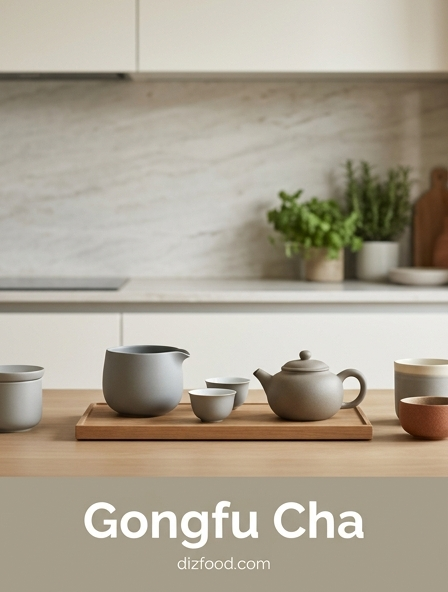
Essentials of Gongfu Cha Teaware
The practice of Gongfu Cha requires specialized tools designed to enhance the extraction of flavor from high-quality leaves. At the center of this ritual is the brewing vessel, typically a porcelain gaiwan or a seasoned Yixing purple clay teapot. The gaiwan is prized for its neutrality, allowing the true profile of the tea to shine, while clay pots retain heat and develop a unique patina over time. To facilitate a clean and organized workspace, a tea tray or "chapan" with a drainage system is essential for catching spills during the rinsing process.
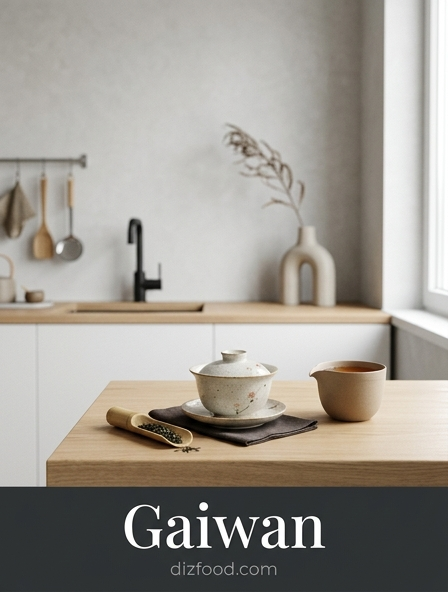
- Gaiwan: A lidded bowl used for steeping and decanting.
- Cha Hai: Also known as the fairness cup, used to ensure uniform strength.
- Pinming Cup: Small tasting cups that encourage sipping and appreciation.
- Tea Tools: Including bamboo tweezers, a tea needle, and a tea scoop.
- Filter: A fine mesh strainer to remove small leaf fragments.
Each piece of equipment serves a functional purpose, balancing aesthetics with the technical requirements of flash-steeping. Investing in high-fired ceramics ensures heat retention, which is critical for the dense leaf structures often used in this traditional Chinese method.
Selecting Premium Loose Leaf Teas
Gongfu Cha is specifically designed for whole-leaf teas that can withstand multiple infusions. The selection process should focus on the integrity of the leaf and the complexity of its processing. Oolong teas, such as Tieguanyin or Da Hong Pao, are classic choices because their tightly rolled or twisted leaves unfurl slowly, releasing layers of flavor over ten or more steeps. Pu-erh, both raw and ripe, is another staple, offering deep earthy profiles that evolve significantly throughout the session.
When evaluating potential teas, observe the dry leaves for consistency in color and shape. Avoid teas with excessive dust or broken fragments, as these will release tannins too quickly, leading to bitterness. High-quality leaves should have a distinct, vibrant aroma even when dry. Generally, tea sourced from high-altitude gardens or old-growth trees possesses the "cha qi" or internal energy sought by practitioners. These premium varieties offer a balance of sweetness, astringency, and a lingering aftertaste that cheaper, mass-produced bags simply cannot replicate in a small-format brewing vessel.
Water Quality and Temperature Control
Water is often referred to as the "mother of tea," and its quality is as important as the leaves themselves. Ideal water should be soft, filtered, and rich in oxygen. Distilled water is generally avoided as it lacks the minerals necessary to carry the tea's flavor, while hard tap water can create a metallic or flat taste profile. Consistent temperature control is the variable that determines whether a tea tastes sweet or overly bitter.
| Tea Type | Temperature (°C) | Temperature (°F) |
|---|---|---|
| Green Tea | 75°C - 80°C | 165°F - 175°F |
| White Tea | 80°C - 85°C | 175°F - 185°F |
| Oolong Tea | 85°C - 95°C | 185°F - 205°F |
| Black / Pu-erh | 95°C - 100°C | 205°F - 212°F |
Using a temperature-controlled gooseneck kettle allows for precision pouring, which helps manage the agitation of the leaves. Maintaining the correct heat ensures that the delicate oils are extracted without scorching the tea.
Preparing Your Gongfu Brewing Space
Creating an intentional environment is the first step toward a successful Gongfu Cha session. The space should be clean, quiet, and free from strong odors that might interfere with the tea's delicate bouquet. Arrange your teaware in a logical flow: the kettle to one side, the brewing vessel in the center, and the cups positioned to be easily reached by the guests. This "tea stage" should be set on a level surface, preferably using a tea mat or wooden tray to protect the furniture from heat and moisture.
Lighting and comfort play significant roles in the experience. Soft, natural light helps in observing the color of the tea liquor, while a comfortable seating arrangement encourages a slower pace. Before beginning, ensure all tools are within arm's reach to avoid interrupting the flow of the ritual. Many practitioners include a "tea pet"-a small clay figurine-on the tray to receive the rinse water, adding a touch of personality and tradition to the setting. This preparation transforms a simple kitchen task into a focused meditative practice.
Awakening the Leaves with the Initial Rinse
The "rinse" or "awakening" is a brief infusion that serves two primary functions: cleaning the leaves and preparing them for extraction. After placing the dry leaves into a pre-warmed gaiwan, hot water is poured over them and immediately discarded. This step washes away any lingering dust from the processing or aging stages, particularly important for compressed Pu-erh or aged white teas. Beyond cleanliness, the heat and moisture of the rinse cause the leaves to begin unfurling, "waking" them from their dormant state.
- Pre-heat the vessel with hot water and discard.
- Measure the appropriate amount of leaf (usually 5-8 grams).
- Pour water over the leaves until submerged.
- Decant the liquid immediately into the fairness cup or over a tea pet.
- Inhale the aroma from the lid of the gaiwan or the wet leaves.
This discarded infusion allows the practitioner to gauge the tea's aroma and readiness. Often, the fragrance of the wet leaves after the rinse provides the most intense olfactory experience of the entire session.
Mastering Multi-Steep Infusion Techniques
Gongfu Cha is characterized by high leaf-to-water ratios and very short steeping times. Unlike Western brewing, which might steep tea for three minutes, a Gongfu infusion often begins at only 10 to 15 seconds. This approach allows the tea to reveal its flavor profile gradually. As the session progresses, the steeping time is incrementally increased to compensate for the diminishing strength of the leaves. Mastering this timing requires focus and a keen sense of observation.
Consistent results depend on the "flash-steep" technique during early rounds. As you pour water into the gaiwan, aim for the sides rather than the center to avoid bruising the leaves. When decanting, ensure every drop is emptied to prevent the remaining leaves from over-steeping and becoming bitter for the next round. By the fifth or sixth infusion, you may find yourself extending the time to 45 seconds or a full minute. This evolution of flavor-from the bright top notes of the first few pours to the deep, resonant body of the later ones-is the hallmark of the Gongfu style.
The Importance of the Fairness Cup
The fairness cup, or "Gongdao Bei," is an indispensable vessel that ensures equality among all participants. When pouring tea directly from a pot or gaiwan into multiple tasting cups, the tea at the bottom of the pot is significantly stronger than the tea at the top. This results in each person receiving a different concentration of flavor. By first decanting the entire contents of the brewing vessel into the Gongdao Bei, the liquor is mixed thoroughly, resulting in a uniform brew.
Beyond its role in balancing strength, the fairness cup allows the tea to cool slightly to a comfortable drinking temperature. It also provides an opportunity to admire the clarity and color of the tea liquor against a clear glass or white porcelain background. If there are small particles or leaf fragments present, pouring through a strainer into the fairness cup ensures a smooth, sediment-free texture. This step reinforces the communal spirit of the ritual, where every guest shares the exact same sensory experience from the same infusion.
Savoring the Sensory Profile of Each Pour
Tasting tea in a Gongfu Cha context is a multi-sensory evaluation that goes far beyond simple consumption. It begins with the visual assessment of the liquor; a high-quality tea should be bright and clear, never muddy. Next, the aroma is sampled, first from the lid of the gaiwan and then from the empty tasting cup after the tea has been consumed. This "bottom-of-the-cup" fragrance often reveals sweet, floral, or woody notes that are not immediately apparent in the liquid itself.
When sipping, the tea should be aerated-slurped slightly-to spread the liquid across all parts of the tongue. This allows you to perceive the five basic tastes and the tea's texture or "mouthfeel."
- Hui Gan: The lingering sweetness that returns to the throat.
- Body: The physical weight or "thickness" of the tea on the palate.
- Astringency: A drying sensation that should be balanced, not overpowering.
Each subsequent infusion will highlight different aspects of the tea's character, shifting from the volatile aromatic oils to the deeper mineral content as the leaves fully open.
Proper Care for Traditional Tea Vessels
Maintaining Gongfu Cha teaware requires a delicate touch and an understanding of the materials involved. Most importantly, traditional porous vessels like Yixing clay teapots should never be washed with soap or detergents. The clay is designed to absorb the essential oils of the tea over time, "seasoning" the pot and enhancing future brews. If soap is used, it will penetrate the pores and ruin the flavor profile of the vessel indefinitely. Instead, rinse the pot thoroughly with hot water and remove spent leaves immediately after use.
For porcelain gaiwans and glass fairness cups, more thorough cleaning is permissible, though hot water is often sufficient. To prevent tea stains from building up, use a soft cloth to wipe down the exterior of your vessels while they are still warm. Ensure all items are completely air-dried before storage to prevent any musty odors. Organizing your tools on a clean shelf away from kitchen grease and strong spices will preserve their integrity. Proper care ensures that your teaware not only lasts for generations but also improves in aesthetic beauty and functional performance.
Integrating Mindfulness into Your Tea Ritual
While Gongfu Cha involves technical skill, its ultimate purpose is to foster a state of mindfulness and presence. The repetitive motions of pouring, decanting, and cleaning serve as an anchor, drawing the practitioner away from the distractions of daily life. By focusing entirely on the temperature of the water, the sound of the pour, and the changing scent of the leaves, one enters a "tea meditation." This practice encourages a slower pace, emphasizing the quality of the moment over the efficiency of the task.
Mindfulness also extends to the social aspect of the ritual. When serving others, the act of pouring tea becomes an expression of hospitality and respect. The silence shared between infusions can be as meaningful as the conversation. Whether practiced alone as a morning routine or with friends as a weekend gathering, Gongfu Cha provides a structured way to cultivate patience and gratitude. Each steep is a reminder of the transience of flavor and the importance of being fully present for each unique experience the leaves provide.



Comments