
Choosing between dry yeast and liquid yeast is a pivotal decision for any baker aiming for that perfect rise and a complex flavor profile. While dry yeast offers unparalleled convenience and a long shelf life-making it a reliable pantry staple for home hobbyists-liquid yeast is often the gold standard for professionals seeking specific artisanal nuances and a more robust, immediate fermentation process. Whether you are whipping up a quick batch of dinner rolls or perfecting a slow-fermented loaf, understanding how these two powerhouses differ in potency and handling ensures your dough reaches its full metabolic potential every time you bake.
| Feature | Dry Yeast (Active/Instant) | Liquid Yeast (Fresh/Cream) |
|---|---|---|
| Shelf Life | 12-24 months (room temp/sealed) | 2-3 weeks (must stay refrigerated) |
| Preparation | Requires blooming or direct mixing | Directly crumbled or poured into dough |
| Concentration | High; small amount needed per batch | Lower; requires 3x the weight of dry |
| Flavor Impact | Mild, standard bready profile | Rich, sweet, and complex esters |
| Activity Speed | Reliable but takes time to "wake up" | Highly active; faster initial fermentation |
| Ideal User | Home bakers and occasional use | Commercial bakeries and professionals |
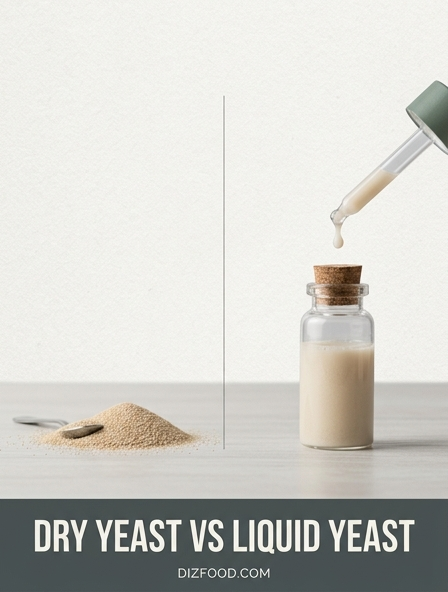
Understanding the Pros and Cons of Dry vs Liquid Yeast
In the realm of home fermentation, the choice between dry and liquid yeast is one of the most significant decisions a brewer or baker makes. Each format offers distinct advantages that cater to different skill levels and project goals. Dry yeast is favored for its incredible resilience and ease of use. It is produced through a dehydration process that puts the yeast cells into a dormant state, allowing them to survive harsh conditions and long periods of storage without significant loss of viability. This makes it an excellent "insurance policy" for any kitchen or brewery, as it can be whipped out and used with minimal notice.
On the other hand, liquid yeast is the gold standard for those seeking specific flavor profiles and historical accuracy. Because liquid yeast does not undergo the stressful drying process, a much wider variety of strains can be preserved and sold. This includes sensitive Belgian strains, specific Lager strains, and wild yeast blends that simply cannot survive the desiccation required to make dry yeast. However, this diversity comes at the price of fragility; liquid yeast is highly sensitive to temperature fluctuations and has a much shorter shelf life.
- Dry Yeast Pros: Long shelf life, high cell count, affordable, no starter required.
- Dry Yeast Cons: Limited strain variety, less complex flavor profiles.
- Liquid Yeast Pros: Immense variety, style-specific nuances, professional-grade results.
- Liquid Yeast Cons: Expensive, requires refrigeration, often needs a yeast starter.
Shelf Life and Storage Requirements for Brewing Yeast
Proper storage is the difference between a vigorous fermentation and a stalled, under-attenuated mess. Dry yeast is remarkably hardy. When kept in a cool, dry place, a foil-sealed packet of dry yeast can remain viable for two to three years. Many brewers store their dry yeast in the refrigerator to further extend this timeline, though it is not strictly necessary for short-term storage. Once a packet is opened, however, the yeast is exposed to oxygen and moisture, and it should be used within a few days or tightly sealed and frozen to prevent degradation.
Liquid yeast demands much stricter environmental controls. It must be kept refrigerated at all times, ideally between 34°F and 40°F (1°C to 4°C). Even under perfect conditions, the viability of liquid yeast drops by approximately 20% every month. This means that a four-month-old vial of liquid yeast may only have a fraction of the living cells it started with, necessitating a yeast starter to "wake up" and multiply the population before it can be used. Furthermore, liquid yeast is susceptible to damage during shipping, especially in summer months, where a single day in a hot delivery truck can effectively kill the entire culture. For these reasons, many enthusiasts prefer to purchase liquid yeast locally or only during cooler seasons.
Comparing Yeast Strain Variety and Specialty Options
The primary reason brewers opt for liquid yeast is the sheer breadth of options available. While dry yeast technology is improving, with more manufacturers releasing specialty strains for New England IPAs or Belgian Saisons, the selection still pales in comparison to liquid libraries. Companies like Wyeast and White Labs offer hundreds of specific cultures, including those harvested from famous European breweries. If you are looking to brew a very specific sub-style, such as a Northern German Altbier or a Trappist-style Quadrupel, liquid yeast is often the only way to achieve the authentic ester and phenolic profile required.
Dry yeast has traditionally been limited to "workhorse" strains-yeasts that are robust enough to survive drying and versatile enough to fit many styles. For example, SafAle US-05 is a legendary dry strain used for everything from Porters to IPAs because of its clean, neutral character. However, if your goal is to experiment with "wild" flavors or complex souring bacteria, you will almost certainly need to look into liquid cultures. These often come as "blends" containing Brettanomyces, Lactobacillus, and Pediococcus, which are too biologically complex to be currently offered in a stable dry format.
Commonly Used Specialty Strains:
- Dry: S-04 (English Ale), WB-06 (Wheat Beer), BE-134 (Saison).
- Liquid: Wyeast 3068 (Weihenstephan Weizen), White Labs WLP001 (California Ale), WLP800 (Pilsner Lager).
The Cost Effectiveness of Dry Yeast vs Liquid Yeast
When looking at the budget for a single batch of beer or a large baking project, dry yeast is the clear winner in terms of pure economics. A standard 11-gram sachet of dry yeast typically costs between $4 and $6. Because of the high cell density in dry yeast, one packet is usually sufficient for a standard 5-gallon batch of moderate-gravity wort. There is no need for additional equipment or ingredients to get the yeast ready for pitching, which keeps the total cost of ownership low.
Liquid yeast is significantly more expensive, usually retailing between $10 and $15 per pack. The hidden costs of liquid yeast also add up quickly. Because the cell count is often lower than what is required for a healthy fermentation (especially if the pack is a few months old), brewers usually need to create a yeast starter. This involves using Dried Malt Extract (DME) and a stir plate, which adds both ingredient costs and an investment in hardware. While some brewers "wash" and reuse liquid yeast to stretch their investment, the initial cost and the labor involved make it a premium choice.
| Feature | Dry Yeast | Liquid Yeast |
|---|---|---|
| Average Cost | $4.00 - $6.00 | $10.00 - $15.00 |
| Starter Needed? | Rarely | Usually |
| Cell Count per Pack | ~200 Billion | ~100 Billion |
| Shipping Cost | Low (Standard) | High (Insulated/Cold) |
Step by Step Preparation Rehydration vs Yeast Starters
Preparation methods for these two yeast formats differ greatly in complexity and time. For dry yeast, the process is straightforward. Many modern dry yeasts are "E2U" (Easy to Use), meaning they can be sprinkled directly onto the surface of the wort or dough. However, some traditionalists prefer rehydration to ensure the yeast cell walls are supple before they hit the high-sugar environment of the wort. The rehydration process involves placing the dry granules into a small amount of warm, sterilized water for about 15 minutes until a creamy slurry forms.
Liquid yeast preparation is more of a ritual. Unless the yeast is extremely fresh and the brew is low-gravity, a starter is recommended. This involves a multi-step process that begins 24 to 48 hours before brew day. By creating a mini-batch of low-gravity wort and adding the liquid yeast to it, the brewer allows the yeast to multiply in a controlled environment, ensuring a massive, healthy population is ready to tackle the main batch.
- Dry Preparation: Sanitize the packet, tear it open, and either sprinkle directly or rehydrate in 95°F water.
- Inoculation: Ensure the main wort temperature matches the yeast temperature to avoid thermal shock.
- Aeration: Both types benefit from well-oxygenated wort, though dry yeast contains some initial sterols to help with this.
Flavor Profiles and Fermentation Cleanliness Differences
The flavor profile of the finished product is where the distinction between dry and liquid yeast becomes most apparent. Liquid yeast is prized for its "cleanliness" and its ability to produce specific esters (fruity flavors) and phenols (spicy flavors) that are characteristic of certain styles. For example, a liquid Hefeweizen strain will produce a very specific balance of banana and clove that is difficult for dry yeast to replicate with the same depth. Liquid yeasts also tend to have very specific attenuation ranges, giving the brewer more control over the final sweetness or dryness of the beverage.
Dry yeast, while sometimes criticized for being "one-dimensional," is actually preferred for styles where the yeast should stay out of the way. In a high-hop IPA or a heavy Stout, the subtle nuances of a liquid yeast might be buried under the malts and hops anyway. In these cases, the clean, reliable performance of a dry yeast like US-05 or S-04 is often more desirable. Furthermore, because dry yeast packets usually contain more viable cells, there is a lower risk of "off-flavors" like acetaldehyde (green apple) or sulfur, which can occur when yeast is stressed from under-pitching.
Cell Count and Pitching Rates for Consistent Results
Consistency in brewing relies on "pitching rates"-the number of living yeast cells added to the wort. A standard 11-gram packet of dry yeast contains roughly 200 billion viable cells. For a standard 5-gallon batch of 1.050 gravity beer, this is almost the perfect amount. This high density is a result of the manufacturing process, which packs a massive amount of biological material into a small, concentrated space. This allows the brewer to achieve consistent results batch after batch without needing a microscope to count cells.
Liquid yeast packs generally contain about 100 billion cells at the time of packaging. This creates an immediate discrepancy. If a brewer pitches a single liquid pack into the same 5-gallon batch, they are technically "under-pitching." Under-pitching can lead to a long "lag phase" where the yeast struggles to dominate the environment, potentially allowing bacteria to take hold or causing the yeast to produce unwanted esters. To match the cell count of a single $5 dry packet, a brewer might need two $12 liquid packs or a multi-day starter. Understanding these numbers is vital for anyone moving from kit brewing into more advanced recipe formulation.
Temperature Tolerance and Sensitivity in Yeast Forms
Yeast is a living organism, and temperature is its master. Dry yeast is significantly more tolerant of temperature swings during both storage and the early stages of fermentation. Because it is in a dormant, desiccated state, it can survive being left in a warm mailbox for a few days. During fermentation, many dry strains are designed to be "forgiving," performing well even if the kitchen ambient temperature fluctuates slightly. This makes dry yeast an excellent choice for brewers who do not have dedicated temperature-controlled fermentation chambers.
Liquid yeast is the opposite; it is highly sensitive and demands stability. Even a brief spike in temperature during the first 48 hours of fermentation can cause liquid yeast to produce excessive fusel alcohols, which result in a "boozy" or solvent-like burn in the throat. Conversely, if the temperature drops too low, liquid strains are more prone to "flocculating" (dropping to the bottom) prematurely, leaving the fermentation unfinished. When using liquid yeast, the brewer must be diligent about monitoring the internal temperature of the fermenter, as the act of fermentation itself generates heat that can push the yeast outside of its ideal range.
Convenience vs Control Choosing the Right Yeast for Your Brew
The choice between dry and liquid yeast ultimately boils down to a trade-off between convenience and control. Dry yeast is the epitome of convenience. It requires no advance planning, is easy to store, and is almost foolproof in its execution. For a brewer who decides on a Saturday morning that they want to brew a batch of beer that afternoon, dry yeast is the only logical choice. It removes several points of failure from the brew day, such as the risk of a contaminated starter or a dead liquid culture.
However, for the brewer who views their craft as an art form, liquid yeast offers a level of control that dry yeast cannot match. Liquid yeast allows the brewer to fine-tune the sensory characteristics of the beer. By choosing a specific liquid strain and varying the pitching temperature and starter size, a brewer can coax out different flavors from the same recipe. This level of "tuning" is how professional-grade clones of world-class beers are created. If your priority is the shortest path to a good beer, go dry. If your priority is the specific path to a great, style-accurate beer, go liquid.
Best Yeast Options for Beginner vs Advanced Homebrewers
For those just starting their journey in the kitchen or the brew shed, dry yeast is the recommended starting point. The learning curve of brewing involves managing sanitation, temperature, and ingredient measurements; adding the complexity of a yeast starter and liquid viability calculations can be overwhelming. Beginners should focus on mastering the process using reliable dry strains. These yeasts provide a safety net that ensures the final product will, at the very least, be fully fermented and free of major defects. Popular beginner choices include SafAle US-05 for ales and Saflager W-34/70 for lagers.
Advanced brewers often gravitate toward liquid yeast as they begin to explore niche styles. Once a brewer has invested in a fermentation chamber and a stir plate, the barriers to using liquid yeast disappear. Advanced hobbyists use liquid yeast to experiment with "slants" and yeast washing, allowing them to maintain their own house cultures over many generations. This level of brewing often involves using liquid yeast to win competitions, where the subtle ester profile of a liquid Belgian Abbey strain might be the edge needed to beat a beer brewed with a standard dry yeast. Neither form is "better" in an absolute sense, but they serve different stages of a brewer's evolution.



Comments