
Understanding Energy Efficiency in Kitchen Brewing
Energy efficiency in the kitchen context refers to the optimization of heat transfer and the minimization of waste during the brewing process. When heating water for coffee or tea, a significant amount of energy is often lost to the surrounding environment through radiation and convection. Understanding the physics of thermal dynamics allows homeowners to select appliances that maximize the Joules of energy delivered directly to the liquid. Traditional methods, such as open-flame gas stoves, frequently exhibit lower efficiency ratings because much of the heat bypasses the vessel entirely.
To evaluate efficiency, one must consider the entire lifecycle of the brewing event, from the initial activation of the heating element to the final pour. Factors such as standby power consumption, the material density of the brewing vessel, and the precision of the thermostat all play critical roles. By prioritizing systems designed for thermal containment, users can reduce their carbon footprint while enjoying more consistent results. Modern brewing requires a shift in perspective from mere convenience to a more calculated approach regarding resource consumption and thermal retention.
Advanced Kettle Technology for Lower Power Consumption
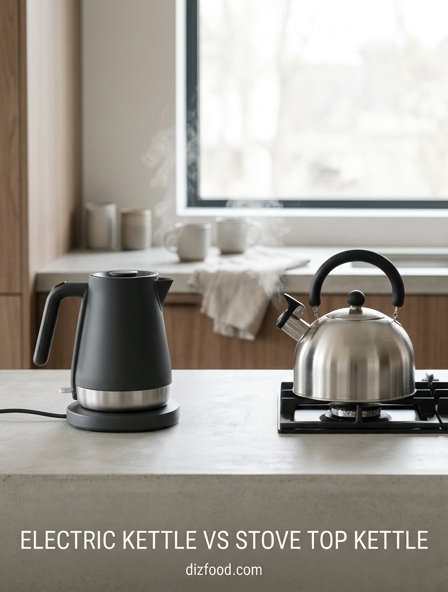
Modern electric kettles have evolved far beyond simple heating coils. Current iterations utilize vacuum-sealed layers and specialized alloys to ensure that every watt of electricity is utilized effectively. These devices often feature high-density heating elements integrated into the base, which reduces the surface area where heat might dissipate. By employing these advanced technologies, users can achieve boiling temperatures up to 30% faster than older models, leading to a direct reduction in total kilowatt-hour usage.
- Double-wall vacuum insulation to retain heat between pours.
- Strix thermostats for precise shut-off at the exact boiling point.
- Submerged heating elements that prevent dry-boiling and energy spikes.
- Low-wattage "keep warm" modes that use minimal pulses to maintain temperature.
Furthermore, the integration of smart sensors allows these appliances to detect the exact volume of water, adjusting the power output accordingly. This prevents the heating element from overshooting the target temperature, which is a common source of energy waste in manual stovetop alternatives. Investing in a kettle with these features ensures a more sustainable daily routine.
Maximizing Induction Cooktop Efficiency for Boiling
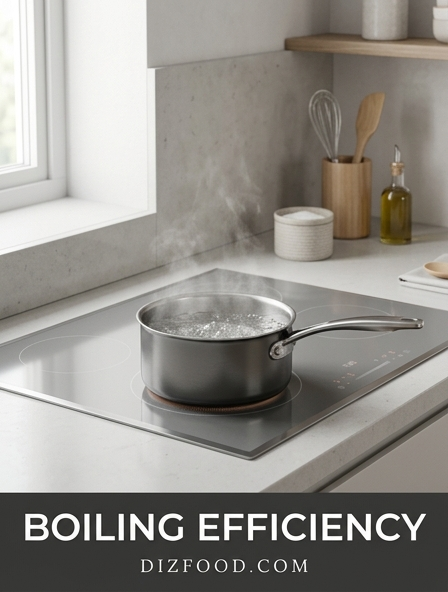
Induction technology represents a pinnacle of kitchen energy efficiency, particularly for boiling large quantities of water. Unlike gas or traditional electric coils, induction cooktops use electromagnetic fields to excite the molecules within the cookware itself. This means the pot becomes the heat source, eliminating the energy loss associated with heating an intermediate surface or the air around the burner. For brewing enthusiasts, this results in an incredibly rapid transition from room temperature to a rolling boil.
To maximize this efficiency, users must ensure their cookware is perfectly flat and possesses high magnetic permeability. Any gap between the cooktop surface and the vessel can result in a loss of magnetic coupling, though this is significantly less wasteful than the heat drift seen in gas cooking. Because the glass surface remains relatively cool, less ambient heat is added to the kitchen, reducing the secondary energy load on air conditioning systems during summer months. This synergy of direct heating and environmental control makes induction a superior choice for the eco-conscious kitchen.
The Impact of Proper Insulation on Thermal Utility
Thermal utility is the measure of how effectively heat is stored and utilized once it has been generated. In the kitchen, the lack of proper insulation on brewing vessels is a primary culprit for energy waste. When a vessel is poorly insulated, the user is often forced to "re-boil" the water several times if they do not use it immediately. This repetitive heating cycle consumes significantly more energy than a single, sustained heating event followed by a period of high thermal retention.
| Material Type | Heat Retention (60 min) | Energy Loss Rate |
|---|---|---|
| Single-Wall Glass | Low | Very High |
| Ceramic | Medium | Moderate |
| Vacuum Stainless Steel | Very High | Negligible |
By utilizing carafe systems or kettles with thermal linings, the necessity for active heating is diminished. This approach not only saves electricity but also preserves the quality of the water, as repeated boiling can alter the mineral balance and oxygen content, ultimately affecting the flavor profile of the brew.
Precision Temperature Settings to Reduce Waste
One of the most common misconceptions in kitchen brewing is that all beverages require boiling water at 100°C. In reality, many teas and specialty coffees are best prepared at temperatures ranging from 70°C to 92°C. Heating water to a full boil only to let it cool down is a blatant waste of energy. Precision temperature control allows users to target the exact thermal state required for their specific beverage, cutting out the final, most energy-intensive stage of the heating process.
- Green Tea: 75°C - 80°C for optimal flavor and energy saving.
- White Tea: 80°C - 85°C to prevent scorching the leaves.
- Oolong Tea: 85°C - 90°C for balanced extraction.
- French Press Coffee: 90°C - 94°C for robust body without bitterness.
Modern appliances equipped with digital interfaces allow for degree-perfect accuracy. This precision ensures that no excess energy is expended on unnecessary steam production, which is a highly endothermic process that consumes a disproportionate amount of electricity compared to simple liquid heating.
Strategic Water Volume Management for Every Brew
Efficiency is often a matter of volume management rather than just appliance choice. Boiling a full two-liter kettle when only 250 milliliters are needed for a single cup of coffee results in a massive waste of resources. This "excess water" must be heated to the target temperature, consuming electricity that serves no practical purpose. Strategic volume management involves the use of clear measurement markings and the discipline to only fill the vessel with the exact amount required for the immediate task.
Many eco-friendly kettles now include "one-cup" indicators to encourage this behavior. Additionally, users can use their own mugs as measuring tools before pouring the water into the heating vessel. By reducing the mass of the water being heated, the time to reach the desired temperature is shortened, and the total energy draw is minimized. This habit is perhaps the simplest and most effective way to improve kitchen efficiency without requiring any new equipment or financial investment, relying instead on mindful preparation habits.
Routine Maintenance for Peak Heating Performance
The efficiency of any water-heating appliance will naturally degrade over time due to the accumulation of mineral deposits, commonly known as limescale. In areas with hard water, calcium and magnesium carbonates precipitate out of the liquid and coat the heating element or the base of the kettle. This layer of scale acts as an unintended insulator, forcing the element to run hotter and longer to transfer the same amount of heat to the water. This results in increased energy consumption and premature failure of the appliance.
To maintain peak performance, a regular descaling schedule is essential. Using natural acids like white vinegar or citric acid can dissolve these deposits and restore the thermal conductivity of the heating surface. A clean element can transfer heat with nearly 100% efficiency, whereas a heavily scaled element might lose 10% or more of its effectiveness. Regular maintenance not only lowers energy bills but also ensures that the appliance operates quietly and reaches the desired temperature more rapidly, enhancing the overall kitchen workflow.
Eco-Friendly Brewing Methods for Modern Kitchens
Beyond the choice of kettle or cooktop, the brewing method itself influences energy consumption. Manual brewing techniques, such as pour-overs or the Aeropress, often require less total energy than large, automated drip machines that keep a hot plate running for hours. By selecting methods that focus on immediate consumption and high extraction efficiency, users can eliminate the "passive waste" associated with large-batch brewing. Furthermore, exploring cold brew methods can virtually eliminate the energy requirement for heating water altogether, though this requires a longer preparation time.
- Manual Pour-over: High control and zero standby power.
- French Press: Uses residual heat for the duration of the steep.
- Cold Brew: Energy-free extraction using time instead of heat.
- Solar Kettles: Harnessing sunlight for outdoor or sunroom brewing.
Integrating these methods into a modern kitchen allows for a diverse range of flavors while significantly lowering the cumulative energy demand. Choosing the right tool for the specific quantity of coffee or tea needed is a hallmark of an environmentally conscious and efficient kitchen.
Cost-Effectiveness of High-Efficiency Boiling Appliances
While high-efficiency appliances often come with a higher initial price tag, their cost-effectiveness is revealed through long-term energy savings. A high-end induction burner or a vacuum-insulated electric kettle can pay for itself within a few years of regular use by reducing monthly electricity bills. When calculating the return on investment, one must consider the frequency of use; for a household that brews multiple times a day, the savings accumulate rapidly. Furthermore, these premium appliances are often built with higher-quality components, leading to a longer lifespan and less frequent replacement costs.
The reduction in thermal waste also has an indirect financial benefit. By not overheating the kitchen environment, the demand on cooling systems is reduced, further lowering utility costs. When viewed as a long-term investment rather than a simple purchase, high-efficiency equipment becomes the most economical choice for any modern kitchen. Analyzing the wattage-to-output ratio and comparing it against local energy rates provides a clear picture of the financial advantages offered by superior engineering and thermal design.
Streamlining Kitchen Workflow with Rapid Heating Solutions
Efficiency is not only measured in watts but also in time. Rapid heating solutions, such as instant hot water taps or high-voltage electric kettles, streamline the kitchen workflow by eliminating the waiting period associated with traditional boiling. These systems are designed to deliver water at the precise temperature needed for brewing almost instantaneously. While an instant hot water tap consumes a small amount of standby energy to maintain a reservoir, the elimination of over-boiling and the reduction in total "on-time" can result in a net gain for busy households.
A streamlined workflow encourages better habits, such as making smaller, fresher batches of coffee rather than one large pot that goes stale. By aligning appliance speed with user needs, the kitchen becomes a more productive and less wasteful space. Integrated solutions that provide filtered, heated water on demand represent the future of the energy-efficient kitchen, where convenience and conservation are no longer at odds. Ultimately, rapid heating technology supports a more dynamic and responsive approach to daily brewing rituals.


Comments