
Waking up to a smooth, efficient morning routine can set a positive tone for your entire day. We all know those precious minutes before work are vital, which is why rapid boiling speed is a total game-changer for coffee and tea lovers alike. Instead of standing over a burner waiting for bubbles to appear, a fast boil streamlines your kitchen workflow, allowing you to focus on mindful moments or simply getting out the door on time. Efficiency isn't just about luxury; it's about reclaiming your morning peace and starting your rituals without delay. To find the best fit for your lifestyle, it is worth comparing the speed and convenience of an electric kettle vs stove top kettle.
The Science of Rapid Heating
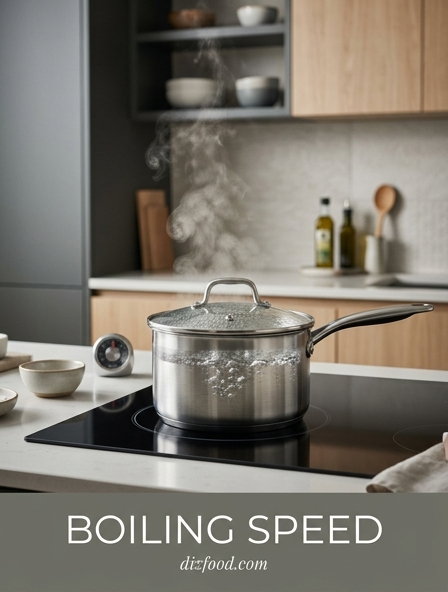
The speed at which water reaches its boiling point is governed by the principles of thermodynamics and the efficiency of energy transfer. In a modern kitchen, this is primarily achieved through high-wattage immersion elements or induction technology. When an electric current passes through a resistive heating element, it generates thermal energy, a process known as Joule heating. This energy is then transferred directly to the water molecules, increasing their kinetic energy until they overcome atmospheric pressure and transition into a gaseous state. The efficiency of this process depends on the surface area of the heating element and the insulation of the vessel.
- Wattage: Higher wattage (typically 1500W to 3000W) translates to faster thermal transfer.
- Surface Area: Large, flat heating elements maximize contact with water molecules.
- Material Conductivity: Copper and aluminum elements offer superior heat distribution compared to basic steel.
By minimizing heat loss to the surrounding environment, rapid-boil systems ensure that the maximum amount of energy is utilized for the phase change. This scientific precision reduces the "dwell time" where heat would otherwise dissipate, making the process both fast and remarkably efficient for daily culinary tasks.
Maximizing Morning Time Efficiency
In the high-pressure environment of a pre-work routine, every second saved contributes to a more organized day. Waiting for a traditional stovetop kettle to whistle can take upwards of ten minutes, a significant block of time that could be better spent on other preparation tasks. Modern rapid-boil kettles can bring a full liter of water to a rolling boil in under three minutes, effectively recapturing nearly ten minutes of productive time each morning. This shift allows for a more fluid transition between waking up and departing for the commute.
- Fill the kettle immediately upon entering the kitchen to start the process.
- Utilize the three-minute boil window to prepare breakfast or pack a lunch.
- Pour the water at the precise moment your coffee grounds or tea leaves are ready.
This streamlined approach eliminates the "watched pot" phenomenon, where the user stands idle waiting for a manual signal. By integrating high-speed boiling into the morning workflow, you create a synchronized environment where various tasks overlap efficiently, ensuring that you remain on schedule without the frantic energy often associated with early hours.
Optimal Extraction Through Instant Heat
The quality of brewed beverages is heavily dependent on the temperature of the water at the moment of contact. Instant heat technology ensures that water reaches the exact temperature required for optimal extraction without long periods of cooling or reheating. For coffee, this usually falls between 195°F and 205°F, whereas delicate teas require much lower thresholds. When water takes too long to boil, it can lose oxygen, resulting in a flat, dull flavor profile in the final cup.
| Beverage Type | Ideal Temperature | Extraction Result |
|---|---|---|
| White/Green Tea | 175°F - 180°F | Delicate and sweet |
| Oolong Tea | 190°F - 200°F | Complex and floral |
| French Press Coffee | 200°F | Full-bodied and rich |
| Black/Herbal Tea | 212°F | Robust and bold |
Rapid heating systems often include variable temperature controls, allowing the user to bypass the full boil if a lower temperature is needed. This precision prevents the scalding of delicate leaves or grounds, ensuring that the chemical compounds responsible for flavor are extracted perfectly every single time.
The Impact on Beverage Flavor Profiles
The speed at which water is heated significantly influences its chemical composition and, consequently, the taste of the beverage. Slow heating on a stovetop often leads to "over-boiling," a state where dissolved oxygen is completely depleted. Oxygen is essential for carrying the nuanced notes of high-quality tea leaves and coffee beans. When water is heated rapidly to the target temperature, it retains more of its natural dissolved gasses, providing a brighter and more vibrant mouthfeel. This is particularly noticeable in light-roast coffees and high-altitude green teas, where subtle acidity and floral aromas are paramount.
Furthermore, rapid boiling prevents the concentration of minerals that can occur when water is kept at high temperatures for extended periods. If water evaporates slowly, the ratio of minerals to liquid increases, potentially leading to a metallic or harsh aftertaste. By reaching the boiling point quickly and shutting off immediately, modern kettles preserve the intended water chemistry, acting as a neutral vessel that allows the natural flavors of the ingredients to shine through without interference or degradation.
Streamlining Your Kitchen Operations
Rapid boiling is not limited to beverage preparation; it is a fundamental tool for general culinary efficiency. Whether you are blanching vegetables, preparing pasta, or rehydrating dried ingredients, the ability to generate hot water instantly changes the rhythm of cooking. Instead of waiting twenty minutes for a large pot of water to boil on a gas range, a high-speed electric kettle can provide the initial heat boost, which is then transferred to the stove for continued cooking. This "hybrid" method significantly cuts down the total preparation time for complex meals.
- Blanching: Quickly prepare boiling water to shock greens and preserve color.
- Instant Grains: Speed up the preparation of couscous, oatmeal, or quinoa.
- Sanitization: Rapidly produce hot water for cleaning heat-stable surfaces or utensils.
- Pre-heating: Use boiled water to warm up thermoses or serving bowls to maintain food temperature.
By treating the kettle as a multipurpose tool rather than just a tea maker, the home cook can synchronize various elements of a meal more effectively. This reduces the time spent at the stove and allows for better coordination when serving multiple dishes simultaneously.
Reducing Pre-Work Morning Stress
The psychological impact of a fast kitchen environment cannot be overstated. Morning stress is often a result of minor delays that compound into significant tardiness. The "slow boil" is a common bottleneck that forces many into a state of frustrated waiting. By upgrading to a rapid-boil system, you remove one of the most persistent hurdles in the early hours. The auditory cue of a quick boil provides a sense of progress and accomplishment, signaling that the day is moving forward as planned. This small technological advantage fosters a sense of control over one's environment.
When the kitchen operates with speed and predictability, the cognitive load on the user is reduced. You no longer need to calculate the "lead time" for a cup of tea or worry if you have enough time to finish your beverage before leaving. This reliability creates a calmer atmosphere, allowing for a few moments of mindfulness or quiet reflection. Ultimately, the speed of the kettle acts as a catalyst for a more peaceful transition from the state of rest to the state of professional engagement, setting a positive tone for the entire workday.
Energy Conservation and Quick Boiling
There is a common misconception that heating water quickly requires more energy than heating it slowly. In reality, the opposite is often true due to the physics of heat loss. The longer a vessel stays hot, the more energy it loses to the surrounding air via radiation and convection. Rapid-boil electric kettles are designed to deliver a massive burst of energy in a short timeframe, bringing the water to the desired temperature before significant heat loss can occur. This efficiency is further enhanced by internal heating elements that are directly submerged in the liquid.
| Heating Method | Efficiency Rating | Estimated Heat Loss |
|---|---|---|
| Electric Kettle (Rapid) | 80% - 90% | Minimal (Fast Cycle) |
| Induction Cooktop | 85% - 90% | Low (Direct Heat) |
| Gas Stovetop | 30% - 40% | High (Ambient Air) |
By selecting a kettle with auto-shutoff and high-wattage capabilities, users minimize the "idle time" where energy is wasted. Additionally, many modern units allow for boiling small amounts-exactly what is needed for a single cup-further reducing the energy footprint by not heating excess water that will eventually go cold and unused.
Achieving Consistency in Every Cup
Consistency is the hallmark of a great home barista or tea enthusiast. Rapid heating systems equipped with digital sensors provide a level of repeatability that manual methods simply cannot match. When water is heated quickly and controlled by a thermostat, the margin of error for temperature fluctuations is minimized. This ensures that every cup of coffee or tea tastes exactly like the one made the day before. The elimination of guesswork is essential for those who invest in premium beans or leaves and want to maximize their investment.
- Select the specific temperature setting on the digital interface.
- Wait for the rapid heating cycle to conclude (usually signaled by a beep).
- Pour immediately to ensure the thermal energy is captured at its peak.
This structured process removes the variables associated with ambient room temperature or varying flame heights on a stove. Because the rapid-boil kettle operates on a fixed power logic, the time-to-temperature ratio remains stable, allowing the user to dial in their brewing parameters with professional-grade accuracy. Consistency leads to mastery, and speed is the foundation upon which that mastery is built.
Advanced Kettle Technology Advantages
The evolution of boiling technology has introduced features that go far beyond simple heating. High-end kettles now incorporate vacuum insulation, similar to a thermos, which keeps water at the boiling point for extended periods without consuming additional electricity. This is particularly useful for families or offices where multiple people need hot water at different times. Furthermore, advanced flow-rate control-often found in gooseneck designs-allows for a precise pour that complements the rapid heating process, ensuring that the speed of the boil is matched by the control of the application.
- Thermal Sensors: Real-time monitoring prevents dry boiling and overheating.
- Smart Integration: Mobile apps allow users to start the boil from another room.
- Silent Boil Technology: Specialized coatings reduce the noise of bubbling water.
- Limescale Filters: Ensures that rapid heating doesn't lead to mineral buildup in the cup.
These technological advancements transform the kettle from a basic appliance into a sophisticated piece of kitchen engineering. By focusing on both speed and the user experience, manufacturers have created devices that cater to the demands of modern, fast-paced lifestyles while maintaining the integrity of the beverage-making process.
Building a Seamless Morning Ritual
A morning ritual is more than just a series of tasks; it is an anchor for the day. Integrating a rapid-boil kettle into this ritual facilitates a "flow state" where the transition between steps is nearly invisible. Because the heating process is so fast, it dictates a brisk but manageable pace for the rest of the morning activities. The reliability of the technology allows you to build a habit around it-for instance, starting the kettle, grinding fresh beans, and setting out a mug in one continuous motion. The speed of the boil serves as the heartbeat of this routine.
This seamlessness reduces "decision fatigue" early in the day. When your tools work quickly and predictably, you don't have to troubleshoot or wait, which preserves your mental energy for the complex work tasks ahead. The ritual becomes a source of comfort rather than a source of chores. By prioritizing boiling speed, you are effectively prioritizing your own time and mental well-being, creating a kitchen environment that supports your goals. A fast boil is the catalyst for a productive, organized, and flavor-filled start to every morning, making it an essential component of the modern domestic experience.

Comments