
Whether you're whipping up a batch of decadent brownies or tempering a glossy ganache, the choice between dark and milk chocolate is the most critical decision in your baking journey. Dark chocolate is the professional's favorite for its high concentration of cocoa solids and intense, complex flavor profiles that range from earthy to fruity, providing a robust structure that holds up beautifully under high oven temperatures. On the other hand, milk chocolate offers a nostalgic, creamy sweetness and a smoother mouthfeel thanks to added dairy solids, making it ideal for lighter confections where a mellow touch is desired. Understanding how their varying ratios of cocoa butter, sugar, and milk impact melting points and moisture levels is the secret to mastering the texture and depth of your homemade desserts.
| Feature | Dark Chocolate | Milk Chocolate |
|---|---|---|
| Cocoa Content | 50% to 90%+ cocoa solids | 10% to 40% cocoa solids |
| Flavor Profile | Bold, bitter, and sophisticated | Sweet, creamy, and mellow |
| Dairy Content | Zero or trace amounts | Significant milk solids/fats |
| Baking Stability | High; retains shape and intensity | Lower; melts faster, burns easily |
| Sugar Levels | Low to moderate | High (often primary ingredient) |
| Best For | Truffles, tortes, and fudgy brownies | Cookies, frostings, and kid-friendly treats |
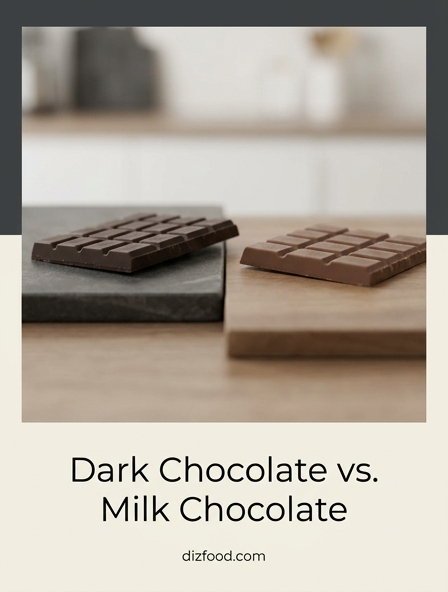
Dark Chocolate vs Milk Chocolate Health Benefits
The culinary debate between dark and milk chocolate extends far beyond simple taste preferences, touching upon significant differences in health outcomes. Dark chocolate is widely recognized as a functional food due to its high concentration of cocoa solids, which are packed with bioactive compounds. These compounds, particularly flavonoids, are associated with reduced systemic inflammation and improved vascular function. Because dark chocolate lacks the high volume of dairy found in its milk-based counterpart, it maintains a more potent profile of plant-based phytonutrients that can positively influence various bodily systems.
Milk chocolate, while often dismissed in clinical discussions, does offer some nutritional contributions, primarily through its dairy content. It provides small amounts of calcium, potassium, and vitamin A derived from milk solids. However, these benefits are frequently overshadowed by the higher sugar content and lower cocoa concentration. When considering health benefits in a kitchen or dietary context, the following distinctions are most prominent:
- Anti-inflammatory Properties: Dark chocolate contains higher levels of polyphenols that help combat oxidative stress.
- Mineral Content: Dark varieties are rich in magnesium, iron, and copper, which are essential for metabolic health.
- Gut Health: The fiber in dark chocolate acts as a prebiotic, supporting the growth of beneficial gut bacteria.
- Satiety: The intense flavor and fat profile of dark chocolate often lead to quicker satisfaction compared to milk chocolate.
Ultimately, while milk chocolate provides a quick energy boost and comfort, dark chocolate serves as a more robust source of long-term health-promoting elements. For those looking to integrate chocolate into a wellness-focused lifestyle, the shift toward higher cocoa percentages is generally recommended by nutritionists and culinary experts alike.
Cocoa Percentage and Nutritional Value
The nutritional profile of chocolate is fundamentally dictated by the percentage of cocoa solids present in the final product. Dark chocolate typically ranges from 50% to 90% or higher, whereas milk chocolate usually hovers between 10% and 30% cocoa. This percentage represents the total amount of cocoa liquor, cocoa butter, and cocoa powder. As the cocoa percentage increases, the proportion of sugar and other additives decreases, leading to a more nutrient-dense product.
In the kitchen, understanding these percentages is crucial for both nutrition and performance. Higher cocoa percentages result in a higher concentration of minerals such as magnesium, which is vital for muscle function, and iron, which supports oxygen transport in the blood. Milk chocolate, containing significant amounts of milk powder or condensed milk, introduces higher levels of cholesterol and saturated fats from dairy, altering the overall macronutrient balance. The following table illustrates the general nutritional differences per 100 grams:
| Nutrient | Dark Chocolate (70-85%) | Milk Chocolate |
|---|---|---|
| Fiber | 11g | 3g |
| Iron | 67% DV | 8% DV |
| Magnesium | 58% DV | 15% DV |
| Potassium | 715mg | 372mg |
By prioritizing chocolate with a cocoa content of at least 70%, consumers ensure they are receiving a significant dose of the plant's natural minerals. Conversely, lower-percentage milk chocolates are classified more as confections than nutritional supplements, providing more calories from sugar than nutrients from the cacao bean itself.
Antioxidant Power Comparison
Antioxidants are the primary reason dark chocolate has earned its "superfood" status. Cacao beans are naturally loaded with organic compounds that are biologically active and function as antioxidants, including polyphenols, flavanols, and catechins. Research suggests that the antioxidant capacity of dark chocolate is even higher than that of many fruits, such as blueberries and acai berries. These antioxidants neutralize free radicals, which are unstable molecules that can cause cellular damage over time.
The presence of milk in milk chocolate significantly impairs the antioxidant potential of the cacao. Not only is there less cocoa to provide these compounds, but studies have suggested that the proteins in milk may bind with the antioxidants, making them less available for the body to absorb. This means that even if a milk chocolate bar has a decent amount of cocoa, the dairy components may inhibit the beneficial effects of the flavanols.
- Flavanols: These support the production of nitric oxide, which helps relax blood vessels.
- Epicatechin: A specific flavonoid in dark chocolate linked to improved muscle performance and heart health.
- Polyphenol Preservation: Dark chocolate is often processed less aggressively than milk chocolate, preserving more of its natural antioxidant integrity.
When selecting chocolate for its protective properties, the "darker" the better remains the golden rule. While milk chocolate provides a pleasant sensory experience, it offers a fraction of the protective benefits found in high-cocoa dark varieties. For maximum antioxidant intake, 85% dark chocolate is often cited as the ideal balance between palatability and health-promoting chemical density.
Sugar and Calorie Differences Explained
A common misconception is that dark chocolate is significantly lower in calories than milk chocolate. In reality, the caloric density of both is remarkably similar, usually ranging between 500 and 600 calories per 100 grams. The difference lies in where those calories come from. In dark chocolate, the calories are primarily derived from cocoa butter (fat), whereas in milk chocolate, a larger portion of the calories comes from added refined sugars and dairy fats.
Sugar content is perhaps the most striking difference. A standard milk chocolate bar can consist of up to 50% sugar. This leads to a rapid spike in blood glucose levels, followed by an insulin surge. In contrast, high-quality dark chocolate contains much less sugar; as the cocoa percentage goes up, the sugar content goes down. For instance, a 90% dark chocolate bar contains very little sugar, making it a viable option for those monitoring their glycemic index or managing diabetes.
The fat content in dark chocolate consists of stearic acid and oleic acid. Stearic acid is a saturated fat that has a neutral effect on cholesterol, while oleic acid is a heart-healthy monounsaturated fat also found in olive oil. Milk chocolate contains these as well, but adds butterfat from milk, which increases the concentration of cholesterol-raising saturated fats. Therefore, while the total energy intake remains high for both, the metabolic impact of the sugar in milk chocolate makes it a less favorable choice for sustained energy and weight management.
Impact on Heart and Brain Health
Dark chocolate is a powerhouse for cardiovascular and neurological health, largely due to its effect on blood flow. The flavanols in dark chocolate stimulate the endothelium, the lining of the arteries, to produce nitric oxide. Nitric oxide's main function is to send signals to the arteries to relax, which lowers resistance to blood flow and, consequently, reduces blood pressure. Numerous controlled studies show that cocoa and dark chocolate can improve blood flow and lower blood pressure, though the effects are usually mild.
The benefits extend to the brain as well. Improved blood flow is not just good for the heart; it is vital for cognitive function. Flavonoids accumulate in the areas of the brain that deal with learning and memory. By enhancing neuroplasticity and increasing blood flow to the gray matter, dark chocolate may help improve focus, reaction time, and even mood. The presence of small amounts of stimulant substances like caffeine and theobromine also contributes to short-term brain function improvement.
Milk chocolate, because of its high sugar and lower flavanol content, does not provide the same level of vascular support. In fact, high sugar consumption is linked to systemic inflammation, which can negatively impact heart health over time. While the occasional piece of milk chocolate is harmless, it lacks the protective compounds necessary to offer the heart-shielding and brain-boosting effects associated with regular, moderate consumption of high-percentage dark chocolate.
The Role of Dairy and Milk Solids
Dairy is the defining ingredient that separates milk chocolate from its dark counterpart. To be classified as milk chocolate in many regions, the product must contain a minimum percentage of milk solids, typically around 12% to 14%. These solids can include milk powder, liquid milk, or condensed milk. The inclusion of dairy completely alters the chemistry of the chocolate, introducing lactose, milk proteins (casein and whey), and milk fat into the mixture.
The presence of dairy has several culinary and nutritional consequences. From a texture standpoint, milk solids provide a creamy, "melt-in-your-mouth" quality that is highly prized in confectionery. The milk fat lowers the melting point of the chocolate, making it feel softer at room temperature. However, from a nutritional perspective, milk solids introduce allergens (lactose and casein) that make the product unsuitable for vegan diets or those with dairy sensitivities.
- Texture Enhancement: Dairy acts as an emulsifier, creating a smoother mouthfeel than the often "snappy" or brittle dark chocolate.
- Flavor Masking: The proteins in milk bind to the bitter tannins in cocoa, masking the natural astringency of the bean.
- Bioavailability: As mentioned previously, milk may interfere with the body's ability to utilize cocoa's antioxidants.
In the kitchen, the dairy content means milk chocolate is more prone to scorching when melted and behaves differently in emulsions like ganache. Dark chocolate, being largely free of milk solids, offers a purer expression of the cacao bean's terroir and a more stable structure for high-heat applications.
Flavor Profiles and Culinary Uses
In the culinary world, dark and milk chocolate are treated as distinct ingredients with different functional roles. Dark chocolate is characterized by its complexity; depending on the origin of the beans, it can exhibit notes of fruit, tobacco, earth, or spice. Its inherent bitterness and acidity make it an excellent pairing for sweet components like caramel or fruits, providing a necessary balance. In professional baking, dark chocolate with a high cocoa butter content (couverture) is preferred for its "snap" and glossy finish when tempered.
Milk chocolate offers a much narrower, though highly popular, flavor profile. It is dominated by notes of cooked milk, vanilla, and sugar. Because it is much sweeter and less assertive than dark chocolate, it is often used in children's snacks, candy bars, and light mousses where a gentle cocoa flavor is desired. However, its low melting point and high sugar content make it more challenging to use in recipes that require stability or high-heat processing.
When cooking with these chocolates, consider the following applications:
- Dark Chocolate: Ideal for rich ganaches, lava cakes, truffles, and savory applications like Mexican mole sauce.
- Milk Chocolate: Best for coatings, light frostings, or as a component in cookies where a creamy texture is preferred over a deep cocoa hit.
Ultimately, the choice between the two in the kitchen depends on the desired intensity. Dark chocolate adds depth and structure, while milk chocolate adds sweetness and a silky, approachable texture.
Weight Loss and Metabolic Impact
While chocolate is often viewed as a "diet-breaker," dark chocolate can actually play a role in weight management when consumed in moderation. The high fiber content and intense flavor of dark chocolate can promote satiety, helping to curb cravings for other sweet or salty snacks. Some studies suggest that the smell and taste of dark chocolate can suppress the "hunger hormone" ghrelin. Because it is less addictive than the highly palatable, sugar-heavy milk chocolate, people are generally less likely to binge on dark varieties.
Milk chocolate has a significantly different metabolic impact. Its high sugar content triggers a rapid insulin response. Frequent insulin spikes can lead to insulin resistance over time and encourage the body to store fat rather than burn it. Furthermore, the combination of sugar and dairy fat in milk chocolate is designed to be hyper-palatable, which can override the body's natural fullness signals and lead to overconsumption.
From a metabolic standpoint, the flavonoids in dark chocolate may also improve insulin sensitivity. This means the body can process glucose more efficiently, which is a key factor in maintaining a healthy weight and preventing type 2 diabetes. While neither should be eaten in excess, a small square of 80% dark chocolate is a strategically better choice for someone looking to satisfy a sweet tooth without derailing their metabolic health.
Caffeine Content in Dark vs Milk Chocolate
A factor often overlooked in the kitchen is that chocolate contains natural stimulants: caffeine and theobromine. These substances are found in the cocoa solids, not the cocoa butter. Consequently, the darker the chocolate, the higher the stimulant content. For individuals sensitive to caffeine, or for those consuming chocolate late in the evening, the difference between dark and milk chocolate can be significant enough to affect sleep quality.
Theobromine is the primary alkaloid in cocoa; it is a mild stimulant that provides a longer-lasting, more relaxed energy than caffeine. However, caffeine is still present in measurable amounts. A 100-gram bar of 70% to 85% dark chocolate can contain about 80 to 100 milligrams of caffeine, which is comparable to a standard cup of coffee. In contrast, a milk chocolate bar of the same size usually contains less than 20 milligrams, as the cocoa solids are diluted by milk and sugar.
| Type of Chocolate | Approx. Caffeine per 100g | Approx. Theobromine per 100g |
|---|---|---|
| Dark (85%) | 80-100mg | 800mg |
| Dark (45-59%) | 40-50mg | 450mg |
| Milk Chocolate | 15-20mg | 150mg |
For those using chocolate in desserts served at dinner parties, dark chocolate provides a subtle "pick-me-up" for guests, whereas milk chocolate offers a more sedative, sugar-heavy finish. Bakers should be aware of these levels when catering to caffeine-sensitive individuals.
How to Choose the Healthiest Option
To maximize the health benefits of chocolate in your kitchen, you must become an expert at reading labels. The first rule of thumb is to look at the ingredient list. In high-quality dark chocolate, cocoa mass (or cocoa liquor) should be the first ingredient listed, not sugar. If sugar is the first ingredient, the product is essentially a confection rather than a health-promoting food. Ideally, the chocolate should have a cocoa percentage of 70% or higher.
Another critical factor is the processing method. Many commercial chocolates are "Dutch-processed" or "alkalized." This involves treating the cocoa with an alkalizing agent to reduce acidity and darken the color. While this results in a smoother flavor, it can destroy up to 60-90% of the beneficial flavanols. To get the most antioxidants, look for "natural" cocoa or brands that explicitly state they do not use alkalization. Additionally, keep an eye out for unnecessary additives:
- Avoid Hydrogenated Oils: These are trans fats used to extend shelf life but are harmful to heart health.
- Minimize Artificial Flavors: High-quality chocolate relies on the bean and perhaps a bit of real vanilla or sea salt.
- Check for Lecithin: Soy or sunflower lecithin is a common emulsifier; while generally safe, fewer ingredients usually indicate a higher quality product.
By selecting organic, fair-trade, high-percentage dark chocolate that has undergone minimal processing, you ensure that your kitchen is stocked with a version of chocolate that is as close to its natural, medicinal state as possible. This approach transforms chocolate from a guilty pleasure into a valuable component of a nutrient-dense diet.






Comments