
Ditching pre-packaged bags for a food-grade silicone popcorn maker is a game-changer for healthy snacking and kitchen efficiency. These versatile bowls are crafted from premium, heat-resistant materials that ensure your kernels pop perfectly without the need for excess oil or harmful chemicals. Beyond their safety, the standout feature is their incredible durability; unlike fragile alternatives, silicone won't crack or shatter if dropped. Plus, the clever collapsible design means you can easily tuck it away in even the tightest cabinets, making it a dream for organized homes. When deciding on the best tool for your movie nights, it helps to understand the key differences in a Silicone Popcorn Maker Vs Glass Microwave Popper.
Why Food Grade Silicone Matters for Safe Snacking
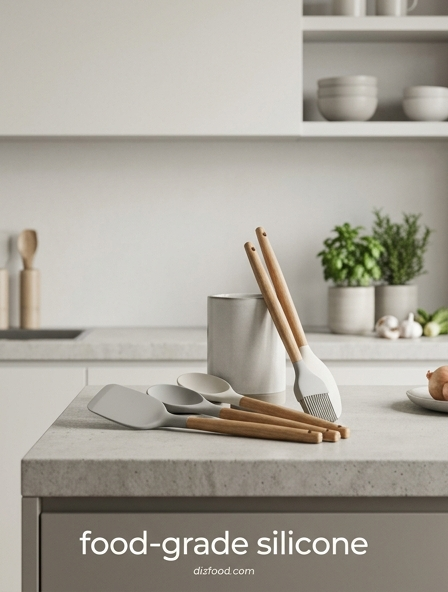
Food grade silicone has emerged as a premier material for modern kitchenware due to its exceptional safety profile and inert chemical nature. Unlike many plastics, high-quality silicone is free from BPA, BPS, and phthalates, ensuring that no harmful endocrine disruptors leach into your snacks during high-heat applications. This is particularly vital when using microwave popcorn makers, where the material is subjected to intense thermal energy for several minutes. Because silicone is non-porous, it does not harbor bacteria or retain odors from previous cooking sessions.
- FDA-approved compliance for food contact surfaces.
- Resistant to oxidative degradation over long periods.
- Maintains structural integrity without shedding microplastics.
- Hypoallergenic properties suitable for sensitive households.
When consumers prioritize food grade certification, they are investing in a material that has undergone rigorous testing to withstand extreme temperature fluctuations. This stability ensures that the molecular structure remains intact, preventing the migration of fillers into the diet. For families focused on long-term wellness, choosing silicone over low-grade alternatives provides a reliable barrier against common industrial chemicals found in traditional snack packaging.
Maximizing Cabinet Space with Collapsible Kitchen Tools
One of the most significant advantages of silicone in the kitchen is its remarkable flexibility, which allows for innovative collapsible designs. Traditional popcorn bowls and snack containers often consume excessive vertical space, leading to cluttered cabinets and disorganized pantries. Silicone tools can be compressed to a fraction of their original size, often shrinking to less than two inches in height. This engineering feat makes it possible to stack multiple items or tuck them into narrow drawers where rigid glass or plastic bowls would never fit.
- Expand the container fully when ready for food preparation.
- Utilize the item as a serving vessel or storage unit.
- Clean and dry the material thoroughly after use.
- Press down firmly on the rim to collapse the unit for storage.
This space-saving capability is a game-changer for those who enjoy a wide variety of kitchen gadgets but lack the square footage to house them. By replacing bulky, static items with collapsible silicone alternatives, home cooks can maintain a minimalist aesthetic without sacrificing functionality. The memory of the material ensures that even after hundreds of compression cycles, the tool will pop back into its functional shape without cracking or losing its structural support.
The Unmatched Durability of Silicone Popcorn Makers
In the high-traffic environment of a modern kitchen, durability is a non-negotiable trait. Silicone popcorn makers excel in this area because they are virtually indestructible under normal household conditions. Unlike glass carafes that can shatter upon impact or plastic bowls that may crack and warp over time, silicone possesses an inherent elasticity. This allows it to absorb shocks and drops without any physical damage. It is a material built to survive the rigors of daily use, from the heat of the microwave to the frigid temperatures of a freezer.
Furthermore, silicone does not suffer from the "brittleness" that affects many polymers after repeated exposure to microwave radiation. While traditional plastic might become cloudy, stained, or prone to snapping, food-grade silicone remains supple and vibrant. This longevity makes it an excellent investment for those who want kitchenware that lasts for years rather than months. Its resistance to UV light and ozone also means that it won't degrade if left on a sunny countertop. When you choose a silicone popper, you are choosing a product that resists the wear and tear of heat, moisture, and physical stress effortlessly.
Eliminating Single Use Waste with Reusable Poppers
The environmental impact of traditional microwave popcorn is often overlooked. Each bag represents a combination of treated paper, plastic film, and chemical coatings that are discarded after a single five-minute use. Transitioning to a reusable silicone popcorn popper directly addresses this waste cycle by providing a permanent solution for snack preparation. By utilizing bulk kernels, users can eliminate the need for thousands of disposable bags over the lifespan of the silicone tool. This shift aligns with zero-waste lifestyle goals and reduces the carbon footprint associated with manufacturing and transporting pre-packaged goods.
- Reduces landfill contributions by thousands of bags per household.
- Eliminates the need for plastic overwrap found on commercial boxes.
- Encourages the purchase of bulk grains in recyclable or compostable packaging.
- Promotes a circular economy through long-lasting product utility.
Beyond the immediate reduction in physical trash, the move toward reusable silicone items signals a broader commitment to sustainable living. It empowers consumers to take control of their consumption patterns while enjoying the same level of convenience offered by disposable alternatives. The durability of silicone ensures that the environmental benefits compound over time, as the product does not need frequent replacement.
Healthier Popcorn Without Excess Oils or Chemicals
Standard microwave popcorn bags are frequently lined with perfluorinated compounds (PFAS) to prevent grease from soaking through the paper. When heated, these chemicals can potentially migrate into the food. Silicone poppers eliminate this risk entirely by providing a clean, chemical-free environment for the kernels to expand. Furthermore, these poppers allow for oil-free cooking, utilizing the microwave's energy to pop the corn through dry heat. This results in a snack that is significantly lower in calories and saturated fats compared to store-bought varieties that are often laden with artificial "butter" flavorings and excessive sodium.
| Feature | Bagged Popcorn | Silicone Popper |
|---|---|---|
| Preservatives | High / Present | None |
| Oil Content | Fixed (High) | Optional / Low |
| Chemical Liners | Often Present | Zero |
By controlling the ingredients, users can customize their snacks to fit specific dietary needs. Whether you prefer a light dusting of sea salt, nutritional yeast, or a touch of olive oil, the silicone popper acts as a neutral vessel that doesn't interfere with the natural flavor of the corn. This transparency in cooking ensures that your healthy snack remains truly healthy, free from hidden additives and industrial processing agents.
Heat Resistance and Safety in Modern Microwave Cookware
Safety in the kitchen is paramount, especially when dealing with high-temperature appliances. Food grade silicone is renowned for its thermal stability, typically rated to withstand temperatures ranging from -40°F to 450°F (-40°C to 232°C). In the context of microwave cookware, this means the material will not melt, smoke, or release toxic fumes even during extended popping sessions. Unlike metal, which cannot enter the microwave, or certain plastics that might reach their glass transition temperature and deform, silicone remains safe and predictable throughout the heating process.
Another safety benefit is the material's low thermal conductivity. While the popcorn inside will be extremely hot, silicone does not retain heat as aggressively as glass or ceramic. Many silicone poppers are designed with integrated handles that stay relatively cool to the touch, allowing for safer removal from the microwave. This reduces the risk of accidental burns and makes the transition from microwave to couch much simpler. The inherent "grip" of the material also prevents it from sliding on smooth surfaces, adding an extra layer of stability when handling hot snacks. This combination of high melting points and user-friendly handling makes it the ideal material for microwave applications.
Effortless Cleaning Features of Silicone Snack Containers
Post-snack cleanup is often the most tedious part of food preparation, but silicone simplifies this process immensely. Because silicone is naturally non-stick, food particles and oils struggle to bond with the surface. Even if you use seasonings or a small amount of oil, most residues can be rinsed away with warm water and a drop of soap. For deeper cleans, silicone is completely dishwasher safe, capable of withstanding the high heat and high-pressure sprays of both the bottom and top racks without degradation.
- Stain-resistant properties keep the container looking new.
- Flexible walls allow you to turn the container inside out for scrubbing.
- Non-porous surface prevents the buildup of old grease and odors.
- Dries quickly due to its water-repellent nature.
This ease of maintenance encourages more frequent use, as the "cost" of cleaning is perceived to be very low. Unlike traditional bowls that might require soaking or vigorous scrubbing to remove burnt kernels or salt deposits, silicone releases debris with minimal effort. This hygienic advantage ensures that your snack containers remain pristine and ready for use at a moment's notice, maintaining a high standard of cleanliness in your kitchen environment.
Smart Storage Solutions for Compact Apartment Kitchens
In compact urban living environments, every cubic inch of kitchen storage is valuable. Traditional popcorn machines are often bulky, single-purpose appliances that occupy precious counter space. Silicone kitchen tools solve this dilemma by being multi-functional and highly compressible. A silicone popper can serve as a mixing bowl, a serving dish, and a storage container all in one, reducing the total number of items needed in the kitchen. When not in use, its ability to collapse flat means it can be stored alongside plates or inside a shallow drawer, leaving the countertops clear for meal prep.
- Identify high-volume items that can be replaced by silicone.
- Utilize nesting techniques to store silicone bowls inside one another.
- Take advantage of vertical drawer space by stacking collapsed items.
- Use the same vessel for preparation, cooking, and serving to save on sink space.
This versatility is essential for apartment dwellers who refuse to compromise on their culinary capabilities despite a small footprint. By choosing smart materials like food grade silicone, you can enjoy gourmet-style popcorn and snacks without the need for a dedicated pantry. The lightweight nature of the material also makes it easy to reach for and store on high shelves without the fear of heavy glass falling and causing injury.
Superior Popping Consistency with Food Grade Materials
The efficiency of a popcorn maker is often measured by its "pop rate"-the percentage of kernels that successfully transform into fluffy snacks. Silicone poppers are engineered to optimize the distribution of microwave energy. The shape of the bowl, combined with the heat-conductive properties of the silicone, creates a mini-convection environment. This ensures that heat is distributed evenly among the kernels, reducing the likelihood of "old maids" (unpopped kernels) at the bottom and preventing the scorching of the popcorn that has already popped.
Unlike paper bags, which can have uneven thicknesses and "cold spots," the uniform density of a high-quality silicone mold provides a consistent cooking experience every time. The vented lids often included with these poppers allow just enough steam to escape, preventing the popcorn from becoming chewy while retaining enough heat to keep the popping process vigorous. This balance of moisture and heat is the secret to achieving a light, crispy texture that rivals commercial theater popcorn. By investing in food grade silicone, you are ensuring that the material itself contributes to a better culinary result through superior thermal management and structural design.
Long Term Savings Over Pre Packaged Microwave Popcorn
While the initial purchase of a silicone popcorn popper is higher than a single box of microwave popcorn, the long-term financial benefits are substantial. Pre-packaged popcorn is one of the most marked-up items in the grocery store; consumers pay a significant premium for the convenience of the bag and the processing. By switching to bulk kernels and a reusable silicone maker, the cost per serving drops by as much as 80%. Over the course of a year, a frequent snacker can save enough money to pay for the popper several times over.
| Cost Factor | Pre-Packaged Bags | Bulk Kernels + Silicone |
|---|---|---|
| Price Per Ounce | High | Very Low |
| Waste Disposal | Recurring | Zero |
| Equipment Life | N/A (Disposable) | Years |
Furthermore, the durability of food grade silicone ensures that you won't need to replace the tool for a very long time. It does not wear out like non-stick coatings on metal pans or crack like cheap plastic. This makes it a one-time investment that continues to yield savings. When you combine the reduced food costs with the lack of replacement expenses, silicone kitchenware emerges as the most economically sensible choice for the budget-conscious and health-conscious consumer alike.

Comments